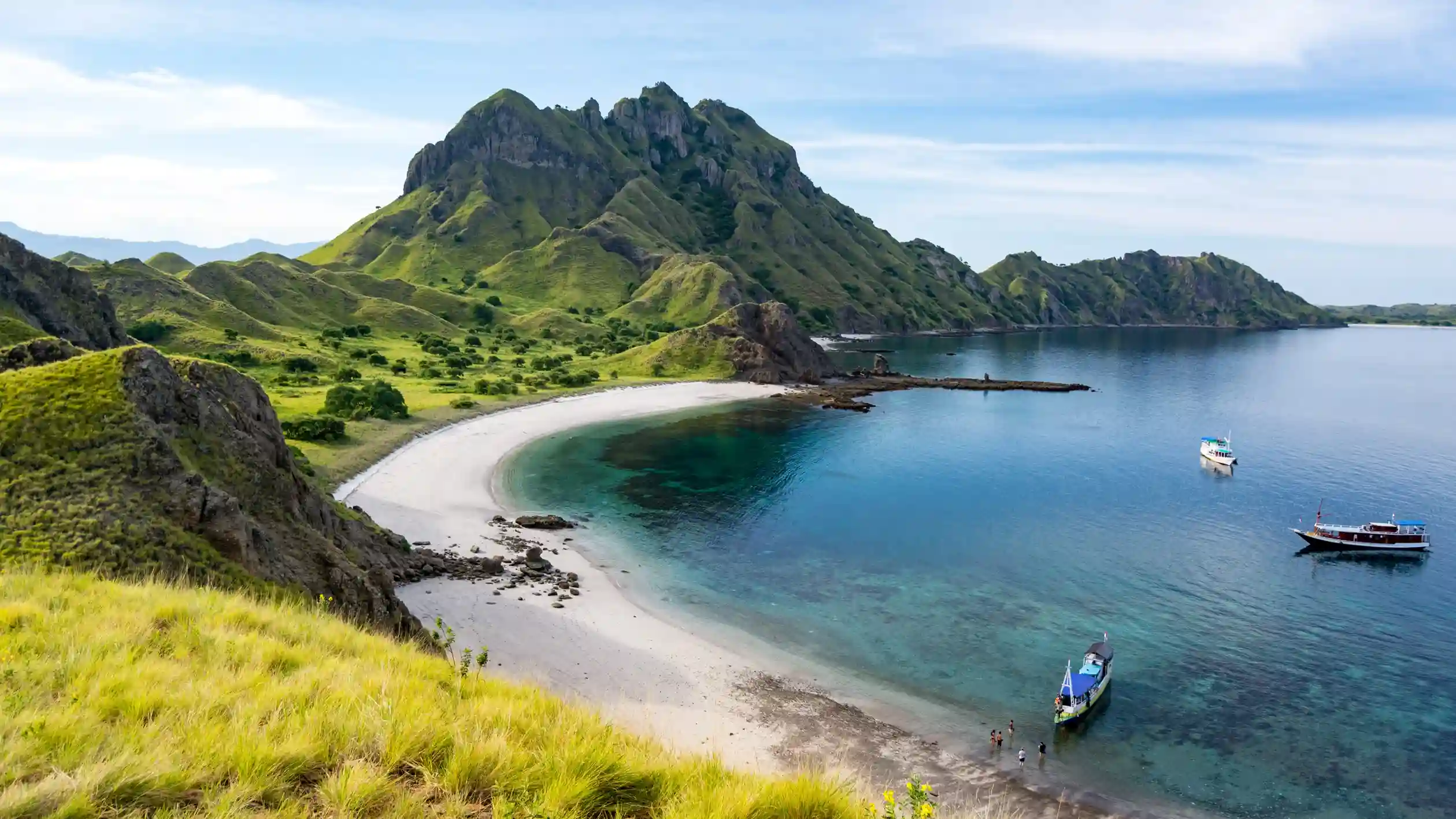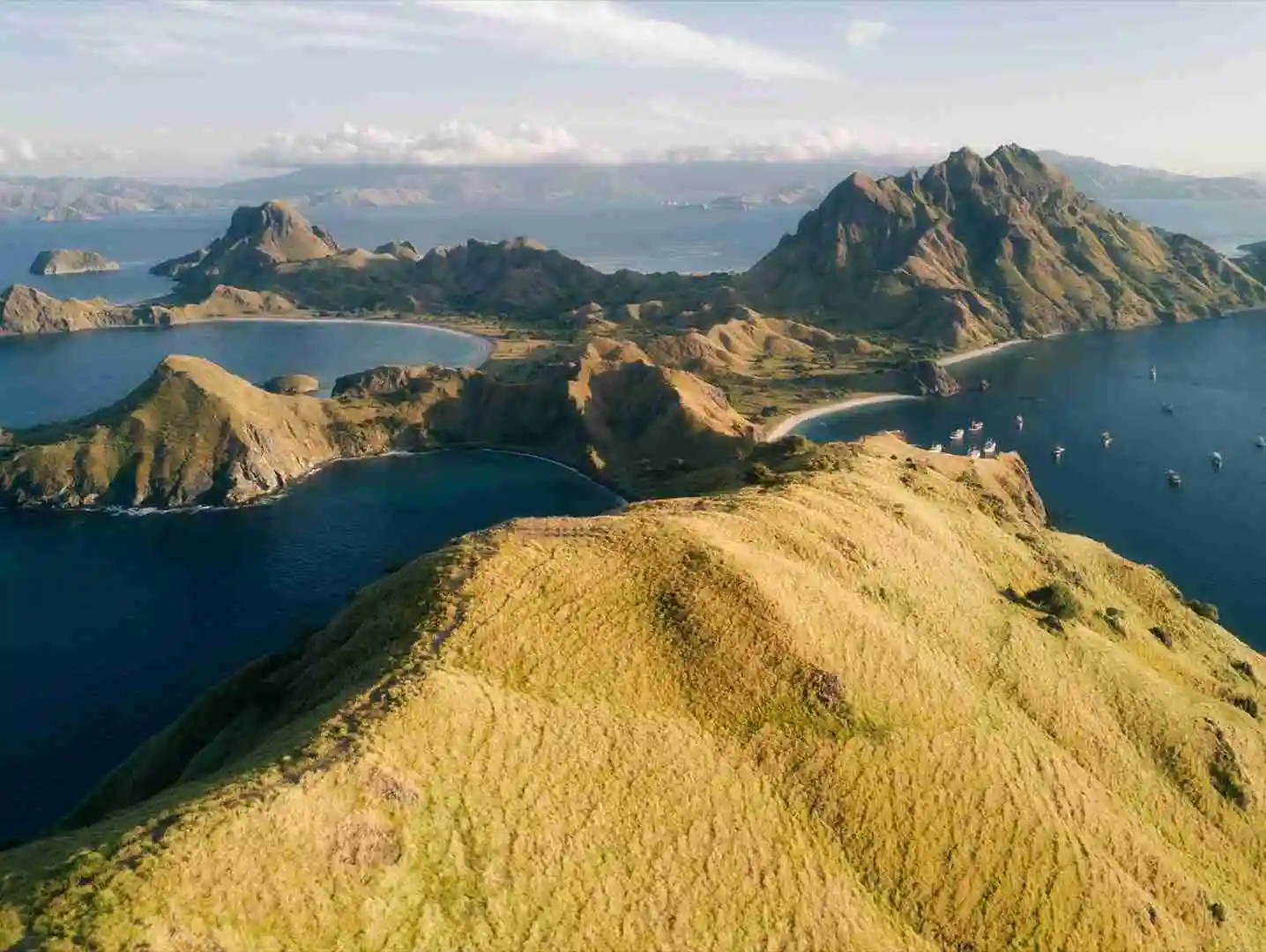

The salty air, thick with the scent of diesel and sea, carries the low thrum of engines and the distant cries of gulls. At the edge of the Flores Sea, Labuan Bajo functions as the primary gateway port for boat tours into Komodo National Park. This dynamic waterfront, once a quiet fishing village, now orchestrates the daily ballet of vessels departing for the archipelago. Labuan Bajo is located on the western tip of Flores Island in East Nusa Tenggara, Indonesia, at approximately 8.4961°S 119.8877°E, a strategic position for marine activities.
Bajo Marina: Structured Access and Modern Facilities
The Bajo Marina represents a significant advancement in marine infrastructure for Labuan Bajo, offering a structured environment for yacht and liveaboard travellers. Unlike the often congested and less formal anchorage zones, the marina provides dedicated berths and moorings, designed to international standards. This facility addresses the growing demand from the marine tourism sector, particularly for vessels serving Komodo National Park, which lies about 54 km by sea from Labuan Bajo. Typical ferry trips from Labuan Bajo to the park take around 2.5 hours. The marina’s controlled access and security protocols offer a tangible advantage, particularly for foreign-flagged yachts seeking peace of mind for their valuable assets. Berthing fees at Bajo Marina reflect these amenities, generally falling within competitive regional rates for similar facilities in Southeast Asia. The availability of shore power and potable water connections directly at the berth simplifies logistics for long-stay vessels, a convenience often absent in alternative mooring areas. The East Nusa Tenggara Province, where Labuan Bajo is located, was officially formed on 14 August 1958, and its continued development includes such modern marine facilities. The marina’s controlled environment also simplifies customs and immigration procedures for international arrivals, providing a single point of contact for port clearances, a process that can be fragmented and time-consuming when managed independently in general anchorages.
Departure Logistics for Komodo National Park
For travellers embarking on Komodo National Park cruises, the Bajo Marina streamlines the departure process. Its proximity to the town center and designated boarding areas reduce transfer times, a benefit over more distant or less organized mooring locations. Komodo National Park was established in 1980 and designated a UNESCO World Heritage Site in 1991, drawing significant tourist traffic through Labuan Bajo. The marina facilitates efficient passenger transfers from land to vessel, often via dedicated dinghy services or direct gangway access, depending on the vessel size and berth. This structured approach minimizes the chaos sometimes associated with general harbor departures, where multiple tour operators vie for space and attention. The harbor at Labuan Bajo supports regular daily boat departures to nearby islands within Komodo National Park during the main tourist season, which typically runs from April to October. Marina staff can assist with pre-departure checks and provide local knowledge on weather patterns and park regulations, an invaluable resource for captains unfamiliar with the specific conditions of the Flores Sea.
Alternative Mooring Options: Traditional Anchorage and Local Jetties
While the Bajo Marina offers modern conveniences, traditional anchorage zones and local jetties remain viable alternatives, each presenting a distinct set of considerations. The primary alternative involves anchoring in the general harbor area of Labuan Bajo. This option typically incurs no direct cost beyond local levies, offering significant savings compared to marina berthing fees, which can range from approximately 0.50 USD to 1.50 USD per foot per day, depending on vessel length and season. However, anchoring requires vessels to rely on their own ground tackle, and security can be a concern, especially during peak season when the harbor can become crowded with dozens of vessels. Local jetties, primarily designed for smaller fishing boats and passenger ferries, occasionally offer temporary mooring, but these facilities often lack adequate fender protection, shore power, or potable water. Furthermore, access to these jetties can be competitive, and priority is often given to local commercial traffic. Vessels utilizing these alternatives must arrange independent tender services for transfers to and from shore, adding to operational complexity and time. Understanding the unmanaged currents and swell within the general anchorage can also be challenging for inexperienced captains, particularly during the monsoon season from November to March. The lack of formal waste disposal or bilge water management at these alternative sites also presents environmental considerations.
Comparing Services and Amenities: Bajo Marina vs. Unregulated Zones
The distinction between Bajo Marina and unregulated mooring zones extends beyond cost to the breadth and reliability of services. Bajo Marina provides 24-hour security, often with CCTV surveillance and manned patrols, offering a level of asset protection absent in open anchorages. Furthermore, the marina typically offers waste disposal services, including solid waste and sometimes even hazardous waste, adhering to environmental regulations crucial for preserving the delicate marine ecosystem of East Nusa Tenggara. Laundry services, provisioning assistance, and technical support for minor repairs are often available either directly through the marina or via affiliated local businesses. These amenities significantly reduce the logistical burden on yacht crews and liveaboard residents. In contrast, vessels in unregulated zones must independently source these services, often requiring multiple trips ashore and coordination with various local vendors. For example, obtaining fresh water in the anchorage typically involves ferrying jerry cans from shore, a laborious process. The marina’s established network of contacts for boat maintenance, spare parts, and emergency services provides a single point of contact, streamlining problem-solving. While local vendors operate throughout Labuan Bajo, their accessibility and reliability can vary when operating outside the marina’s managed environment.
Impact on Labuan Bajo’s Waterfront Development and Marine Tourism
The establishment of Bajo Marina is intrinsically linked to the broader waterfront development and marine tourism strategy for Labuan Bajo and Flores Island. As a designated “super priority tourism destination” by the Indonesian government, Labuan Bajo is undergoing rapid transformation. The marina’s modern infrastructure enhances the destination’s appeal to higher-value marine tourism segments, including luxury yachts and charter operations. This development aligns with Flores Island coastal planning initiatives, aiming to create a sustainable and regulated marine tourism environment. By centralizing yacht services, the marina helps to reduce the environmental impact of dispersed anchoring, which can damage coral reefs and seagrass beds. It also provides a regulated environment for visitor entry and departure, contributing to better management of tourist flows into Komodo National Park, a UNESCO World Heritage Site since 1991. The presence of such a facility also stimulates local employment in skilled marine trades, provisioning, and hospitality, contributing to the economic diversification of East Nusa Tenggara Province. The focus on organized infrastructure reflects a shift towards more controlled and sustainable marine tourism, moving away from ad-hoc arrangements that characterized earlier periods of growth.
Indonesian Maritime Regulations and Compliance
Operating a vessel in Indonesian waters, particularly around Komodo National Park, involves adherence to a complex set of maritime regulations. Bajo Marina, as a formal port facility, assists with compliance, offering guidance on port clearance (CIQP – Customs, Immigration, Quarantine, Port Authority) procedures. For foreign-flagged vessels, obtaining a “CAIT” (Clearance Approval for Indonesian Territory) is mandatory, a process that can be facilitated through marina services or appointed agents. Vessels anchoring independently must navigate these regulations themselves, often without direct assistance, which can lead to delays or penalties if not correctly executed. Komodo National Park has specific entry fees and regulations regarding activities such as diving, snorkeling, and land excursions, which are enforced by park authorities. The marina often serves as a central point for disseminating updated information on these regulations, ensuring that visitors are well-informed before departing for the park. The East Nusa Tenggara Province’s maritime law enforcement agencies conduct regular patrols, and compliance with safety equipment, waste management, and navigation rules is rigorously checked. Operating within a formal marina environment can provide a layer of oversight and support, ensuring vessels meet these critical legal requirements. Labuan Bajo‘s strategic importance as a maritime hub is underscored by the need for such regulated facilities. The marina’s operational framework also supports sustainable practices, aligning with national efforts to protect marine biodiversity, particularly within sensitive areas like Komodo National Park.
The choice between Bajo Marina and alternative mooring options hinges on priorities: the structured services and enhanced security of a modern marina versus the cost savings and independence of traditional anchorage. For a comprehensive understanding of berthing, logistics, and what to expect at this vital gateway, explore the resources at bajomarina.com.