
For those understanding the waters of East Nusa Tenggara, understanding the evolving landscape of Labuan Bajo is paramount. This port, situated on the western tip of Flores Island, is undergoing significant transformation.
The Strategic Importance of Labuan Bajo’s Waterfront
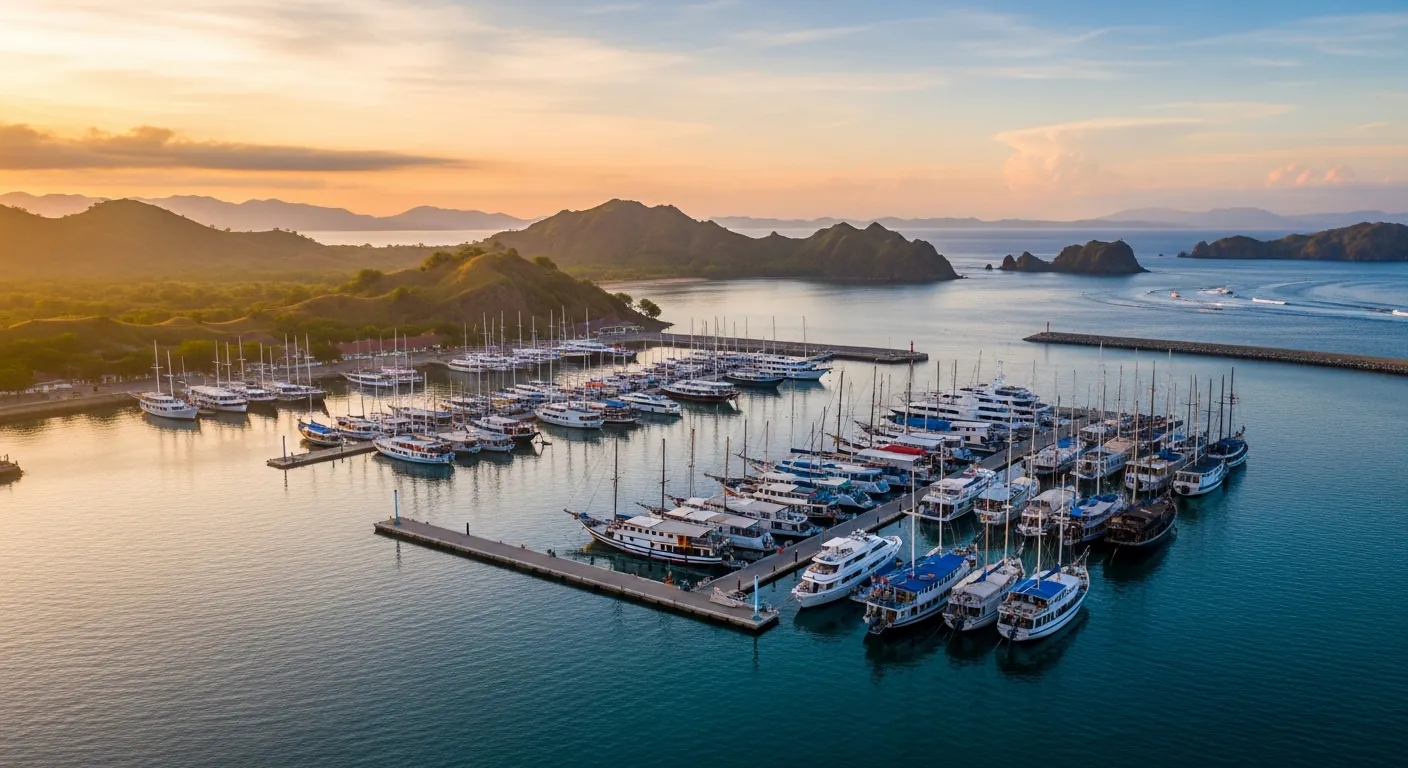
Labuan Bajo is located at approximately 8.4961°S 119.8877°E. Its geographical position makes it the critical nexus for marine exploration in the region. The town serves as the primary gateway port for boat tours into Komodo National Park. This designation underscores its operational importance for yacht and liveaboard operators seeking to provision, refuel, and prepare for voyages into the Komodo archipelago. East Nusa Tenggara Province, where Labuan Bajo is located, was officially formed on 14 August 1958. The ongoing waterfront development directly supports the increased maritime traffic and logistical demands associated with this role. Improvements include enhanced docking facilities and better access for supply vessels, directly benefiting bajo marina users. These upgrades aim to streamline operations, reduce turnaround times, and provide a more secure environment for vessels and their crews. The development is not merely cosmetic; it addresses the functional requirements of a growing maritime tourism sector.
Infrastructure Upgrades and Port Modernization
The core of Labuan Bajo’s waterfront development involves substantial infrastructure upgrades. This includes the expansion and modernization of existing port facilities. The harbor at Labuan Bajo supports regular daily boat departures to nearby islands within Komodo National Park during the main tourist season. These upgrades ensure the port can manage the increasing volume of departures, from small tour boats to larger liveaboard vessels. Specific improvements focus on deeper drafts, allowing larger yachts to berth more easily, and enhanced mooring systems for increased safety during varying weather conditions. Furthermore, new jetties and improved gangways facilitate safer and more efficient passenger transfers. These developments are critical for maintaining the operational efficiency of the port and ensuring a smooth experience for those transiting to or from Komodo National Park. The objective is to solidify Labuan Bajo’s position as a reliable and well-equipped maritime base.
Connectivity to Komodo National Park
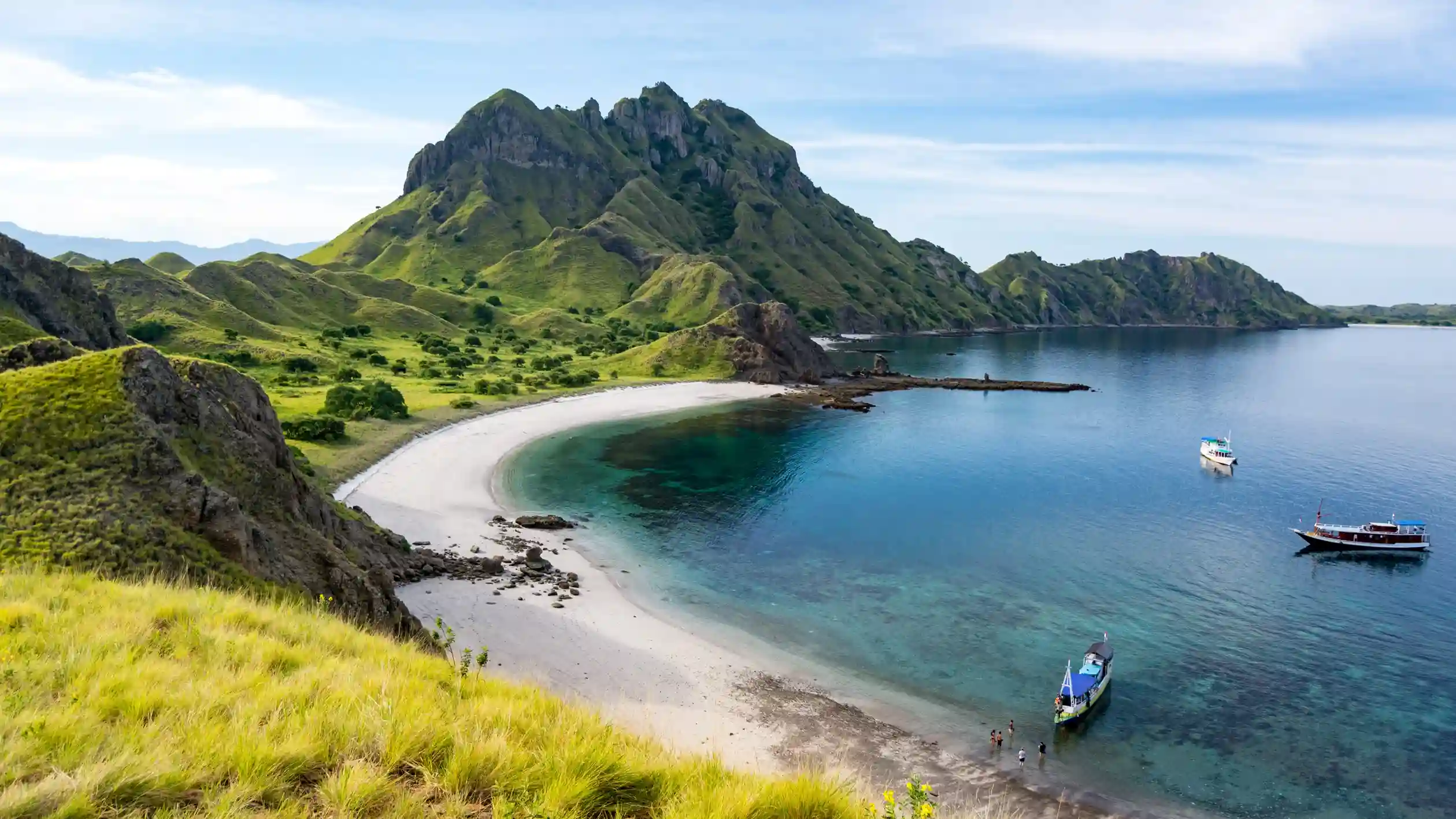
Labuan Bajo’s primary function for yacht and liveaboard travellers is its direct link to Komodo National Park. Komodo National Park lies about 54 km by sea from Labuan Bajo. Typical ferry trips from Labuan Bajo to the park take around 2.5 hours, though private yachts and liveaboards can often reduce this transit time. The waterfront development aims to optimize this connectivity. Improved customs and immigration services at the port, for instance, streamline entry and exit procedures for international vessels. Easier access to provisioning services, including fuel, fresh water, and provisions, directly supports extended trips into the park. Komodo National Park was established in 1980 and designated a UNESCO World Heritage Site in 1991, cementing its status as a premier natural destination. The enhanced waterfront facilitates not only direct departures but also the necessary logistical support for expeditions into this protected area, making Komodo National Park more accessible and its exploration more convenient.
Public Amenities and Urban Integration
Beyond purely maritime infrastructure, the waterfront development integrates public amenities designed to improve the overall experience of travellers. This includes new public spaces, promenades, and commercial zones along the shoreline. These areas provide opportunities for crew and passengers to relax, resupply, and engage with the local economy. Improved pedestrian access and lighting enhance safety and navigability along the waterfront after dark. The integration of local businesses, from chandleries to restaurants, within the developed areas creates a more cohesive urban environment. This also supports the local community on Flores Island. The goal is to create a functional yet inviting interface between the town and its vital maritime activities, ensuring that time spent ashore is as efficient and comfortable as possible. These urban enhancements contribute to Labuan Bajo’s appeal as a temporary home port.
Future Outlook and Long-Term Vision
The ongoing development reflects a long-term vision for Labuan Bajo as a premier maritime hub in Southeast Asia. This vision extends beyond current projects, encompassing sustainable growth and environmental stewardship. Future phases may include further expansion of berthing capacity, specialized yacht services, and advanced waste management facilities, crucial for liveaboard operations. The emphasis is on creating a resilient infrastructure that can support increasing demand while adhering to international environmental standards. This forward-looking approach ensures that Labuan Bajo, and specifically its marina, will continue to evolve as a sophisticated and reliable base for yacht and liveaboard travellers exploring the Komodo region and beyond. The consistent investment underscores the region’s commitment to supporting the high-end maritime tourism sector, making it an increasingly attractive option for long-term stays.
Imagine the scent of salt and exotic spices carried on a gentle breeze, as you step onto a newly polished boardwalk, the turquoise waters of the Flores Sea glistening before you. This is the promise of Labuan Bajo’s reimagined waterfront, a transformative vision unfolding for discerning travelers.
The elevated experience at the new Bajo Marina
Central to this transformation is the state-of-the-art Bajo Marina, a pivotal development designed for luxury yachts, superyachts, and high-end liveaboards. Gone are basic moorings; the new marina boasts modern berthing facilities capable of accommodating vessels up to 70 meters, equipped with advanced utilities including shore power, freshwater hookups, and high-speed internet. This comprehensive infrastructure ensures seamless