Editorial Standards
Bajo Marina is an independent editorial guide. These standards explain how we research and publish.
Accuracy
We ground articles in verifiable facts and cite authoritative sources such as Wikipedia, UNESCO, official tourism boards and government pages. Figures, distances and timings are checked against primary sources at the time of writing.
Independence
Our editorial opinions are our own. Where a page discusses operators or services, we aim to give balanced, useful guidance rather than undisclosed promotion.
Corrections
If you spot an error, email [email protected] and we will review and correct verified mistakes promptly, noting the update date.
Updates
Travel and regulatory details change. We revise pages as conditions change and show a “last updated” date where relevant.
Last updated: June 2026.
From the emerald rice paddies of Bali to the volcanic peaks of Java and the sapphire waters teeming with life around Raja Ampat, Indonesia offers a mix of experiences that stir the soul and redefine luxury travel. As Condé Nast Traveler editors, our mission extends beyond merely showcasing beautiful destinations; we explore the heart of what makes an experience truly exceptional, ensuring every recommendation meets our stringent editorial benchmarks, especially when understanding the delicate balance of luxury and responsibility in this striking archipelago.
Curating responsible luxury and marine stewardship
Our commitment to editorial excellence is intrinsically linked to the principles of responsible tourism, particularly when exploring Indonesia’s unparalleled natural heritage. The very essence of “bajo marina,” or the underwater world, defines much of Indonesia’s allure for discerning travelers, from the pristine coral gardens of Komodo National Park to the biodiverse reefs of West Papua. We understand that the privilege of experiencing these wonders comes with a profound responsibility to protect them. Therefore, our review process for luxury resorts, liveaboards, and tour operators places significant emphasis on their demonstrable commitment to environmental sustainability and ethical practices. We scrutinize claims of eco-friendliness, seeking evidence of genuine conservation initiatives, sustainable sourcing, waste reduction programs, and support for local marine protection efforts. For instance, we highlight operators who actively participate in coral reef restoration projects or enforce strict no-touch policies for marine wildlife, ensuring that the magic of Indonesia’s underwater realm remains vibrant for generations to come. Our editorial team investigates whether luxury experiences, such as private yacht charters or exclusive dive expeditions, adhere to international best practices for marine conservation, including proper waste disposal, responsible anchoring techniques, and respectful interaction with marine life. We believe true luxury in Indonesia’s marine environments is found in experiences that not only pamper the guest but also preserve the pristine conditions of the ocean. Our reporting covers initiatives like the establishment of Marine Protected Areas (MPAs) across Indonesia, which now cover approximately 28.1 million hectares, safeguarding critical ecosystems and species. We also examine how luxury properties contribute to the economic well-being of the local communities that depend on these natural resources, ensuring that tourism benefits are shared equitably and sustainably.
In a region where biodiversity is both a treasure and a fragile resource, our articles serve as a guide for travelers seeking to make informed choices. We look for transparency in operators’ environmental policies and their engagement with local communities. This includes assessing their employment practices, use of local produce, and contributions to educational or healthcare programs. For example, a luxury resort might feature prominently in our pages not just for its exquisite design and service, but because it employs a majority local staff, sources 80% of its food from nearby farms, or funds a village school. When we discuss exclusive experiences like bespoke diving trips in Raja Ampat, we ensure that the featured operators are certified by reputable organizations and adhere to strict guidelines for minimal environmental impact, such as limiting the number of divers per site or utilizing mooring buoys instead of dropping anchors. Our aim is to foster a travel ecosystem where luxury and legacy are intertwined, where every striking vista and every encounter with the “bajo marina” contributes positively to the destination. We actively seek out and feature operators who are leaders in sustainable tourism, providing our readers with options that align with their desire for both unparalleled luxury and conscientious travel. This discerning approach helps our readers navigate the many choices, empowering them to select experiences that are not only indulgent but also genuinely enriching and responsible.
The discerning eye: Authenticity in Indonesian luxury
At Condé Nast Traveler, luxury is not merely a price point; it is an art form, a meticulously crafted experience that transcends the ordinary and offers genuine connection and unparalleled comfort. In Indonesia, this translates to an appreciation for bespoke service, unique architectural aesthetics that blend with the natural landscape, and access to experiences that are both exclusive and deeply authentic. Our editors meticulously vet every property, experience, and service, ensuring they meet our exacting standards. This involves rigorous research, often including incognito visits by our experienced travel writers and editors, who assess everything from the thread count of the linens and the culinary mastery of the chefs to the genuine warmth of the hospitality and the seamlessness of bespoke itineraries. We look beyond superficial grandeur for true luxury, often found in the subtle details: a personalized welcome that anticipates every need, an infinity pool seemingly carved into a cliffside overlooking a pristine bay, or a private guided tour that uncovers the hidden stories of a Balinese temple. Our editorial team evaluates the quality of materials, the originality of design, and the integration of local artistry, ensuring that the luxury experience is not generic but distinctively Indonesian. For instance, a luxury villa might be celebrated not just for its panoramic ocean views but for its use of sustainably sourced local teak, traditional Javanese carvings, and an architecture that harmonizes with its natural surroundings. We understand that the discerning luxury traveler seeks not just comfort, but also meaning and a sense of place.
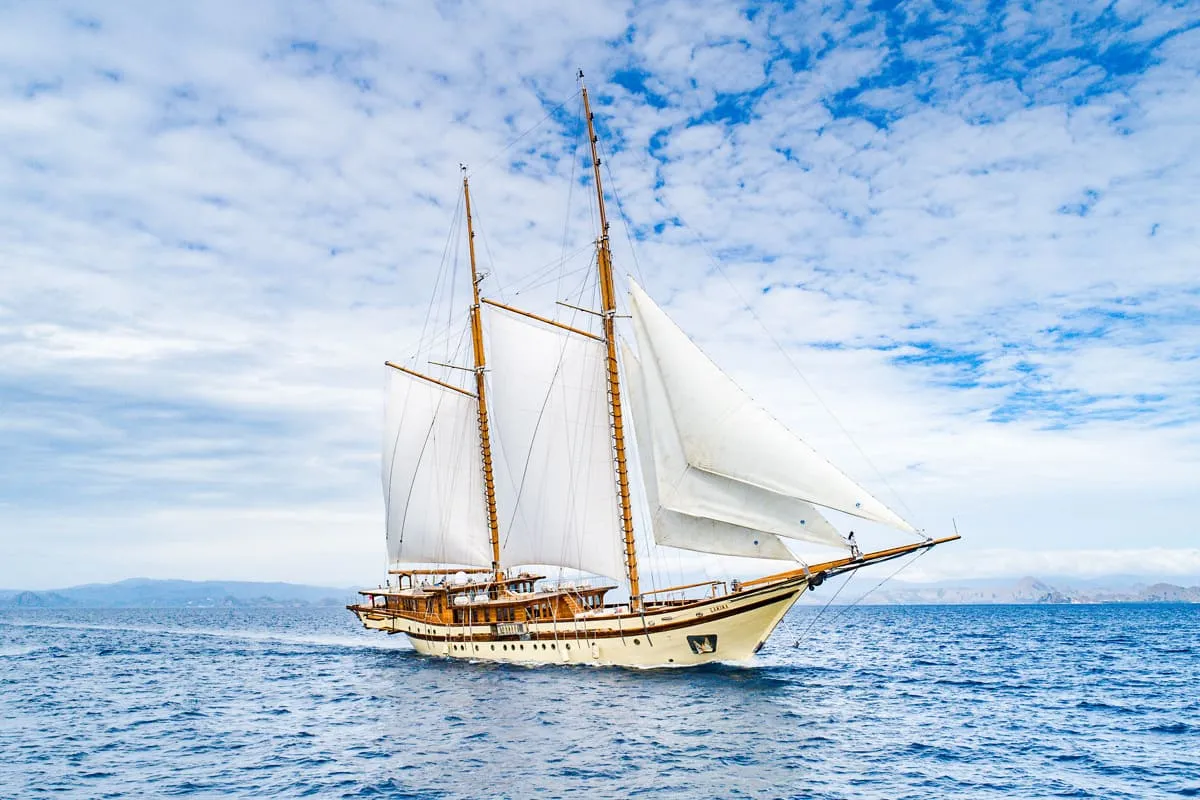
Our commitment to authenticity also extends to the experiences we recommend. True luxury in Indonesia often lies in privileged access and unique perspectives. This could mean a private cooking class with a renowned Balinese chef in their family compound, an exclusive sunrise trek to a volcanic crater with an experienced local guide, or a bespoke sailing journey through the Komodo archipelago aboard a traditional phinisi yacht, complete with gourmet dining and expert dive masters. We scrutinize claims of exclusivity and personalization, ensuring that our featured experiences genuinely deliver on their promises. For example, a luxury liveaboard cruise through the Flores Sea might cost upwards of $1,500 per person per night for a private cabin, but we ensure that this investment translates into unparalleled service, access to secluded dive sites, and a truly immersive cultural experience. We prioritize operators who offer genuine cultural immersion, connecting guests with local traditions, artisans, and communities in a respectful and enriching manner. This means avoiding staged performances and instead seeking out opportunities for authentic interaction, such as participating in a traditional batik workshop or attending a local temple ceremony. Our editorial independence allows us to highlight only those experiences that truly embody the spirit of Indonesian luxury – a blend of exquisite comfort, impeccable service, and profound cultural authenticity. We believe that the ultimate luxury is the opportunity to connect with a destination on a deeper level, creating memories that are both opulent and meaningful, and our rigorous standards ensure that our readers find exactly that.
Celebrating culture and community engagement
Indonesia is a mosaic of over 17,000 islands, home to hundreds of distinct ethnic groups, languages, and belief systems, making its cultural mix one of the richest on Earth. As editors, we approach this incredible diversity with profound respect and a commitment to showcasing it authentically and responsibly. Our editorial standards dictate that when we feature cultural experiences, we delve beyond superficial tourist attractions to highlight opportunities for genuine engagement and understanding. We seek out luxury operators and experiences that actively preserve and promote local traditions, arts, and crafts, ensuring that the economic benefits of tourism flow directly to the communities that uphold these invaluable cultural legacies. This means investigating how luxury resorts integrate local artistry into their design, how tour operators work with indigenous communities to offer respectful cultural encounters, and how culinary experiences celebrate the diverse flavors and culinary heritage of Indonesia’s regions. For instance, we might celebrate a resort that has established a foundation to support local traditional weavers, or a tour company that partners directly with a village elder to offer immersive cultural workshops, ensuring fair compensation and respectful representation. Our goal is to guide travelers towards experiences that are not only luxurious but also contribute positively to the cultural preservation and economic empowerment of Indonesian communities, fostering a deeper appreciation for the country’s vibrant heritage.
Our rigorous vetting process ensures that any cultural interaction we recommend is conducted with sensitivity and mutual respect. We differentiate between genuine cultural immersion and commodified performances, always prioritizing experiences that offer authentic insights into local life and traditions. This includes evaluating whether operators provide educational context, facilitate meaningful interactions, and ensure that local participants are willing and fairly compensated. We are particularly mindful of the impact of tourism on sacred sites and traditions, advocating for respectful visitation and adherence to local customs. For example, when recommending a visit to Borobudur Temple, a UNESCO World Heritage site, we emphasize the importance of following guidelines for preservation and respecting its spiritual significance. We also look for luxury properties that actively invest in local infrastructure, education, or healthcare, demonstrating a long-term commitment to the well-being of their host communities. Our features often highlight initiatives where luxury tourism directly supports local artisans, musicians, and performers, providing them with sustainable livelihoods and platforms to share their talents. This includes spotlighting regions like Bali, where tourism revenue significantly contributes to the preservation of Hindu-Balinese traditions, including elaborate temple ceremonies and traditional dance forms. By adhering to these standards, we ensure that our readers can enjoy the unparalleled luxury and beauty of Indonesia while simultaneously contributing to the preservation of its extraordinary cultural heritage and the prosperity of its people. We believe that true luxury travel enriches not just the traveler, but the destination itself, creating a harmonious exchange that benefits all involved. For more on Indonesia’s diverse cultural landscape, visit indonesia.travel.