- Peak Season (June-August): Offers the most reliable weather conditions but corresponds with higher visitor numbers and prices.
- Shoulder Months (April-May & September-October): Provide an ideal balance of excellent weather, fewer crowds, and more competitive rates.
- Wet Season (November-March): Attracts travelers seeking lush, green landscapes and the lowest prices, with intermittent tropical showers.
The air is thick with the scent of salt and sun-baked earth. Below deck, the gentle thrum of the phinisi’s engine is a steady heartbeat as it charts a course through turquoise waters. On the horizon, the saw-toothed silhouettes of ancient islands rise from the Flores Sea, their rugged slopes promising encounters with creatures from another time. This is the immediate, sensory immersion of an arrival in Bajo Marina, a destination where the rhythm of life is dictated not by the clock, but by the sun, the tides, and the two distinct seasons that govern this corner of the Indonesian archipelago. Choosing when to step into this world is the first, and perhaps most crucial, decision in crafting an unforgettable journey. As a travel editor who has visited this region in every season, I can attest that while there is no truly bad time to be here, understanding the nuances of the calendar is key to accessing the experience you seek.
Decoding Bajo Marina’s Two Seasons: Dry vs. Wet
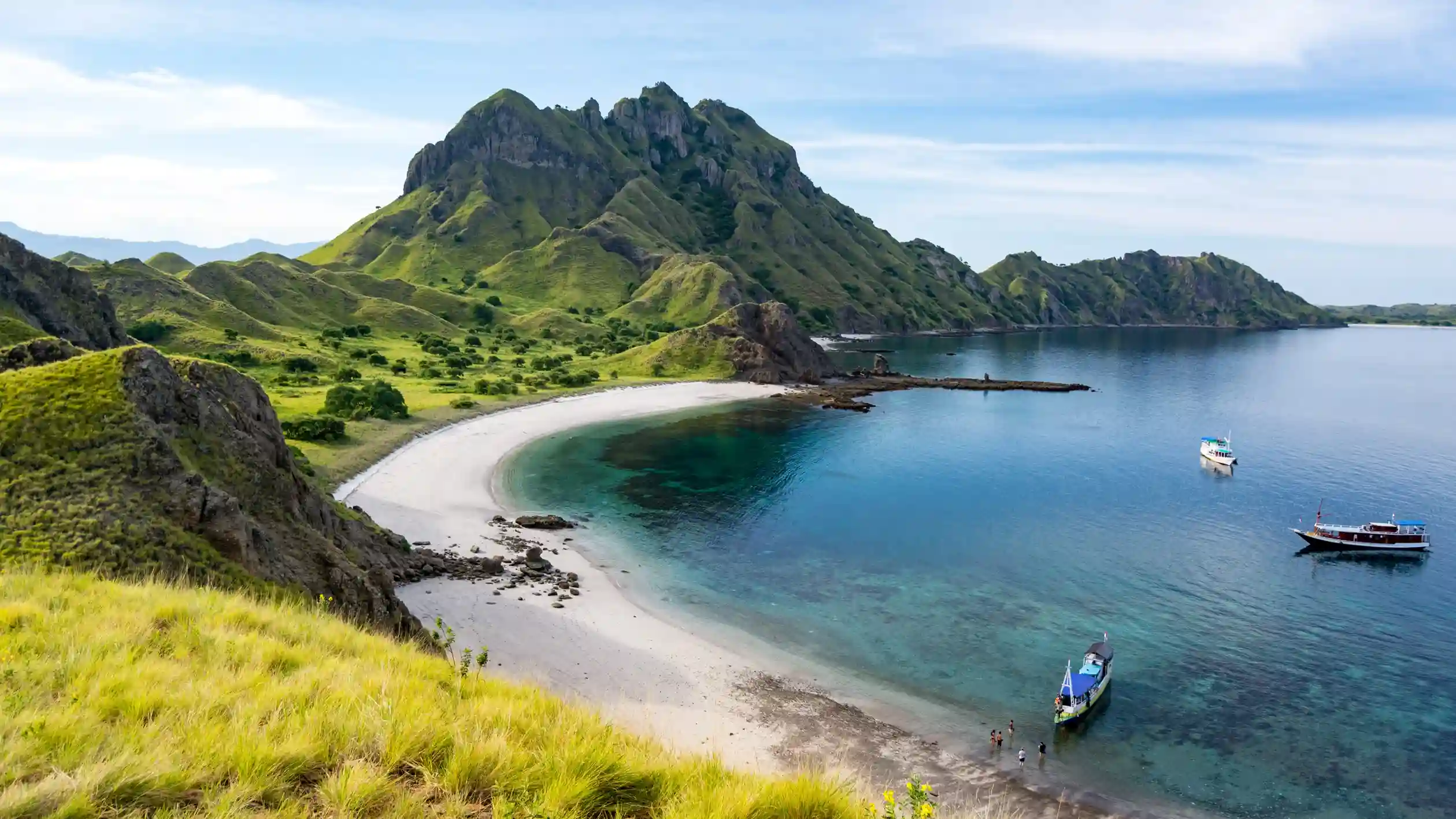
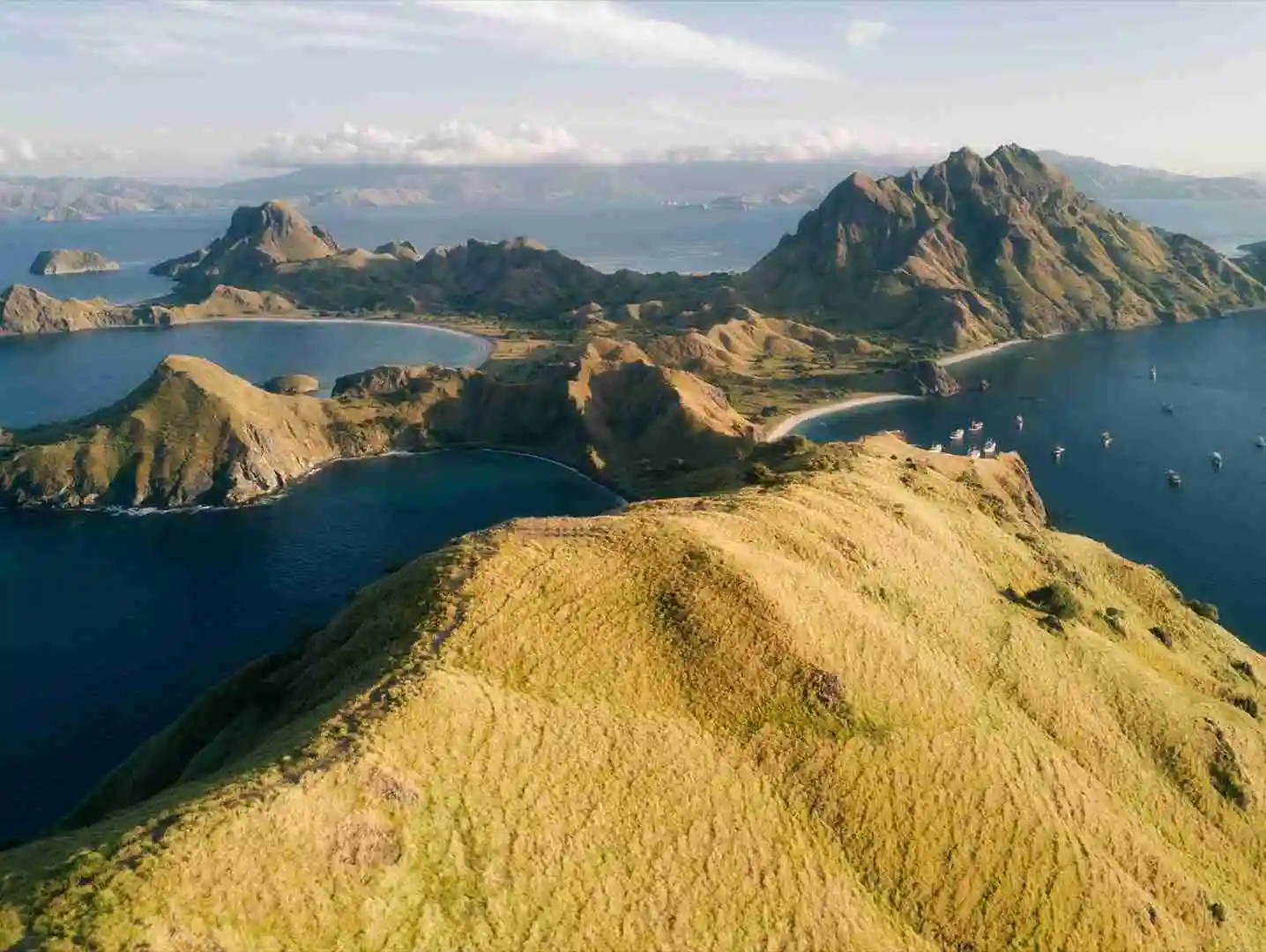
Unlike the four-season cycle familiar to many, the climate in this part of Indonesia is defined by a simple, dramatic duality: the dry southeast monsoon and the wet northwest monsoon. As confirmed by the official tourism authority, indonesia.travel, this binary rhythm shapes everything from water visibility to the vibrancy of the landscape. The dry season, running roughly from April through October, is what most imagine when dreaming of this destination. During these months, average daily temperatures hover around a very pleasant 30°C (86°F), with humidity at its lowest. Rainfall is scarce, often less than 50 millimeters for the entire month, meaning day after day of uninterrupted sunshine. The seas are generally placid, making for exceptionally smooth sailing between the islands of the Komodo archipelago. This is prime time for hiking to the iconic viewpoint on Padar Island and for diving, as the calm, clear water offers visibility that can extend beyond 30 meters. It’s the season of postcard-perfect conditions, where the deep blue of the sky is matched only by the sea below.
Conversely, the wet season arrives in November and extends through March. This period is characterized by higher humidity and temperatures that can feel more intense. The landscape undergoes a dramatic transformation, shedding its dry, savanna-like tones for a brilliant, almost electric green. Rainfall increases significantly, peaking in January and February where monthly totals can exceed 200 millimeters. However, it rarely rains all day. The typical pattern is a bright, clear morning followed by a heavy, dramatic downpour in the afternoon, which often clears for a spectacular, cloud-streaked sunset. The seas can be more unpredictable, with stronger currents and higher swells, particularly in the open straits. For the discerning traveler, this season offers its own unique rewards: fewer visitors, lower prices, and a chance to see the islands in their most lush and vital state.
The Peak of Perfection: Visiting from June to August
For those who demand meteorological certainty, the period from June to August represents the absolute zenith of the travel calendar. This is the heart of the dry season, where the weather is as close to guaranteed perfection as nature allows. We’re talking about an average of nine hours of sunshine per day and a negligible chance of rain spoiling an excursion. It’s during these months that the conditions for exploration are truly optimized. The water clarity in Komodo National Park, a protected area spanning 1,733 square kilometers, is at its absolute best. I spoke with a divemaster from a leading liveaboard who told me, “In July, it’s not a question of if you’ll see the manta rays at Karang Makassar, but how many. We’ve had dives with over 20 individuals gliding through the cleaning station.” The moderate winds are also ideal for sailing, allowing phinisi schooners to unfurl their sails for a truly authentic cruising experience. This is the time to undertake the classic treks without the oppressive humidity of the wet season, making the reward at the top feel even sweeter.
This perfection, however, comes at a price—both literal and figurative. These three months constitute the high season, and the secret is long out. You will be sharing the waters and viewpoints with a significant number of other travelers. Advance booking, often six to 12 months out, is not just recommended; it’s essential for securing a place on a premier vessel or in a top-tier resort. Prices for flights, accommodations, and charters can be 30-50% higher than in the shoulder or wet seasons. Understanding these costs requires careful forethought, a process made simpler by a well-structured financial plan. For those starting to map out their expenditures, our guide on how to plan your Bajo Marina budget offers invaluable, expert-led advice on how to allocate resources for a peak-season journey without compromise.
The Insider’s Choice: The Shoulder Seasons of April-May and September-October
Ask any seasoned travel professional for their personal recommendation, and they will almost invariably point you to the shoulder months. April-May and September-October are the savvy traveler’s secret, offering a sublime compromise between the flawless weather of the high season and the solitude of the low season. In April and May, the islands are still radiantly green from the remnants of the rains, a beautiful transitional phase where the landscape is at its most photogenic. The first manta rays begin to arrive in larger numbers, and the tourist traffic is still ramping up. I have fond memories of a trip in early May where we had the entirety of Pink Beach to ourselves for two hours, a rare luxury in July. The weather is stable, with clear skies and calm seas becoming the norm.
Similarly, September and October offer a mirror image of this excellence. The sun is still dominant, the water warm and clear, but the peak-season crowds have dissipated, returning a sense of quiet discovery to the archipelago. Chartering a phinisi becomes easier and often more affordable, with operators sometimes offering rates 15-20% lower than their August prices. This is an ideal time for those who wish to immerse themselves more deeply in the environment without distraction. It allows for a more flexible itinerary, where a spontaneous decision to spend an extra hour snorkeling with turtles doesn’t disrupt a tightly packed schedule. For a comprehensive look at all the experiences available, from diving to cultural encounters, our definitive Bajo Marina guide details the wealth of activities that truly shine during these tranquil shoulder months. This is the period where you get all the reward with far less of the rush.
Embracing the Tropics: The Allure of the Wet Season (November-March)
To dismiss the wet season, from November to March, would be a mistake. While it presents certain logistical challenges, it also offers a profoundly different and, for some, more rewarding experience. This is what locals refer to as the “green season,” and for good reason. The islands, parched and golden for much of the year, are reborn in a riot of verdant foliage. Seasonal waterfalls that are mere trickles in the dry season cascade down cliff faces, and the air is alive with the scent of wet earth and blooming flora. The photography during these months can be staggering; dramatic, cloud-filled skies create a soft, diffused light and produce sunsets of an intensity rarely seen in the endless blue of the dry season. It’s a time of immense vitality and raw, natural beauty.
Of course, one must be prepared. The primary consideration is the sea state. The northwest monsoon can bring stronger winds and choppier waters, especially in January and February, which are typically the wettest months. Some boat trips may be rescheduled or rerouted for safety, and flexibility is key. Many liveaboard operators use this period for annual maintenance, so the selection of available vessels is smaller. However, for the adventurous and the budget-conscious, the rewards are significant. Accommodation and tour prices can be at their lowest point all year. The famed UNESCO World Heritage site of Komodo National Park feels wilder and more untamed. I once traveled here in late February and, while we experienced a few powerful afternoon storms, the mornings were clear, the dive sites were empty, and the experience felt like a true expedition into a primal world.
Aligning Your Trip with Marine Life Encounters
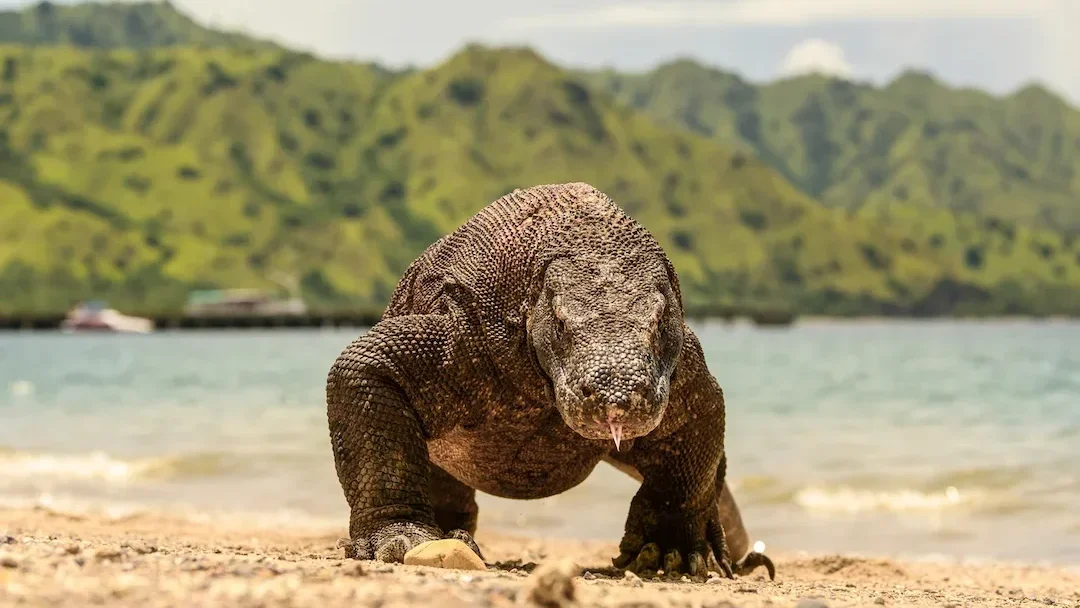
For many visitors, the primary draw of Bajo Marina is its astonishing biodiversity, both on land and in the water. Timing your visit to coincide with peak wildlife activity can elevate a great trip into a life-changing one. The region’s most famous residents, the Komodo dragons, are active year-round. However, they are most easily spotted during the dry season (April-October) when they spend more time basking in the sun to regulate their body temperature. Their mating season typically runs from May to August, with nesting occurring in September, which can lead to more territorial displays. For underwater enthusiasts, the calendar is even more critical. Manta rays, the gentle giants of the sea, congregate in the plankton-rich currents in huge numbers from June to September, though they can be reliably seen as early as April. The visibility for diving and snorkeling is at its absolute peak during these months.
The water temperature itself varies, with the cooler waters of the south, influenced by the Indian Ocean, dipping to 24°C, while the northern sites remain a balmy 28-29°C. This temperature differential creates distinct marine ecosystems within a relatively small area. While whale sharks are not a guaranteed sighting, they are most frequently spotted during the transitional months when plankton blooms are common. Dolphins, on the other hand, are a common sight year-round, often seen playing in the bow waves of passing boats. Ultimately, the best time to visit Bajo Marina for wildlife depends on your priority. If it’s dragons and mantas under perfect blue skies, aim for July or August. If you’re a dedicated naturalist interested in the full cycle of life, even the wet season has its unique spectacles, such as specific coral spawning events that attract marine biologists from around the globe.
Quick FAQ: Your Bajo Marina Weather Questions Answered
What is the average water temperature for diving?
The water temperature varies significantly across the park. In the southern regions, near Rinca and Padar, deep ocean upwellings can bring temperatures down to 23-25°C (73-77°F). In the northern sites, it’s a much warmer 27-29°C (81-84°F). A 3mm to 5mm full-length wetsuit is recommended year-round to ensure comfort across all dive sites.
Is there a serious risk of typhoons or major storms?
Bajo Marina is located south of the Pacific typhoon belt, so cyclones are extremely rare. The primary concern during the wet season (November-March) is strong monsoonal squalls, which can bring heavy rain and high winds. These are typically short-lived but can impact boat travel, so it’s wise to build a buffer day into your itinerary during this period.
How much should I budget for a trip in high season versus low season?
The price differential can be substantial. A private phinisi charter that costs $5,000 per night in August might be available for $3,500 per night in November or April. Similarly, luxury resort rooms can see a price swing of 30-40% between seasons. Flights into Labuan Bajo (LBJ) also see their highest prices from June to August.
What should I pack that I might not think of?
Beyond the obvious swimwear and light clothing, pack a lightweight waterproof windbreaker, even for the dry season, as boat journeys can be breezy. A dry bag is essential for protecting electronics on small tender boats. Also, bring sturdy, closed-toe walking shoes for trekking—the terrain on Rinca and Padar is rough and not suitable for flip-flops.
Ultimately, the best time to visit is a personal calculation, a balance of priorities between weather, wildlife, solitude, and budget. Whether you envision yourself sailing under the unfailing sun of August, capturing the dramatic green landscapes of January, or finding the perfect equilibrium in May, the timeless and elemental beauty of Bajo Marina is a constant. The islands are waiting. Begin charting your own course and explore the bespoke journeys that can turn this dream into a reality.