
The term bajo marina, often used interchangeably with Labuan Bajo Marina, refers to the bustling maritime hub on the western tip of Flores Island, Indonesia. It stands as the indispensable gateway for all marine expeditions into the iconic Komodo National Park. This independent editorial guide, bajomarina.com, serves yacht and liveaboard travellers by providing comprehensive, critical information on berths, moorings, and the intricate logistical framework essential for seamless Komodo National Park departures. Situated at 8.4961°S 119.8877°E, the Labuan Bajo marina is not merely a port; it is the primary maritime access point to a UNESCO World Heritage Site, a vibrant nexus where adventure begins.
Understanding Bajo Marina: Gateway to the Komodo National Park
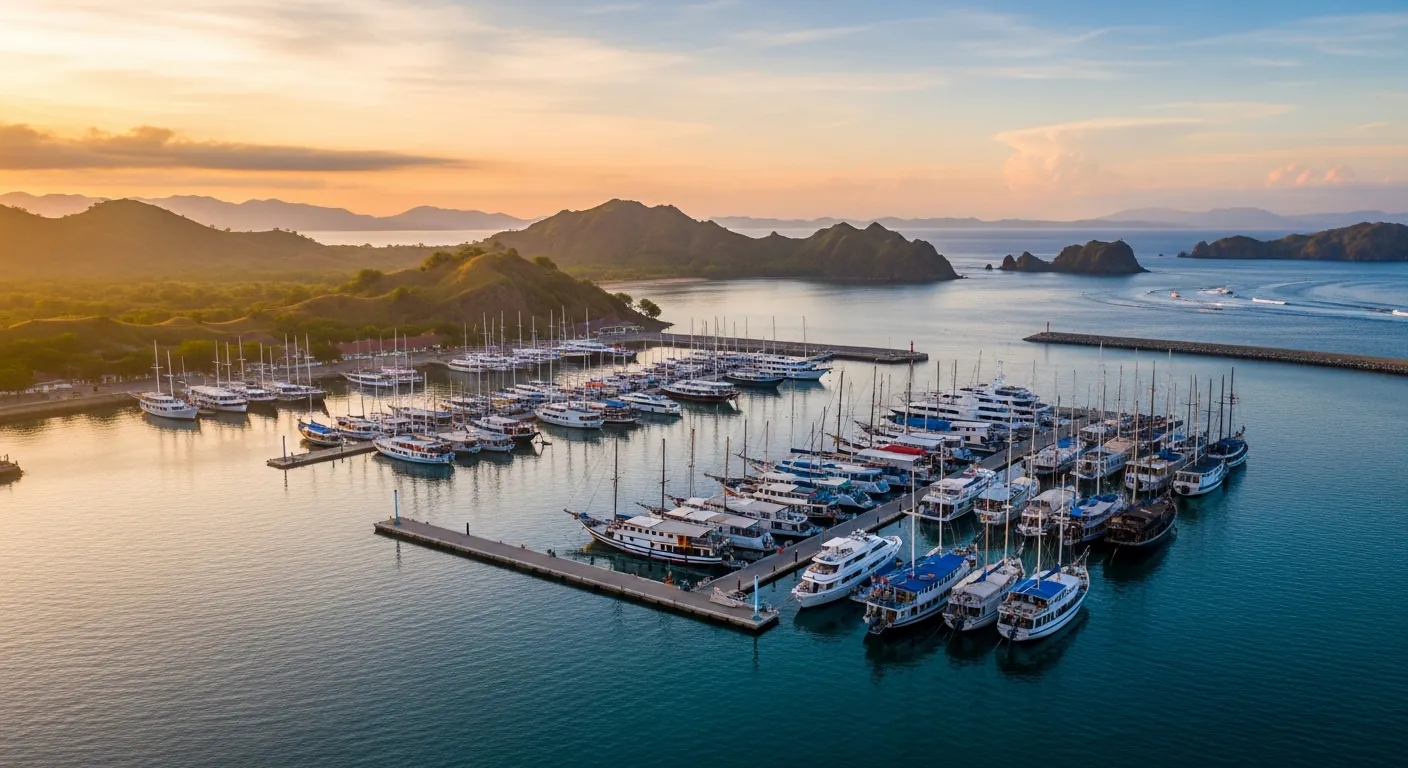
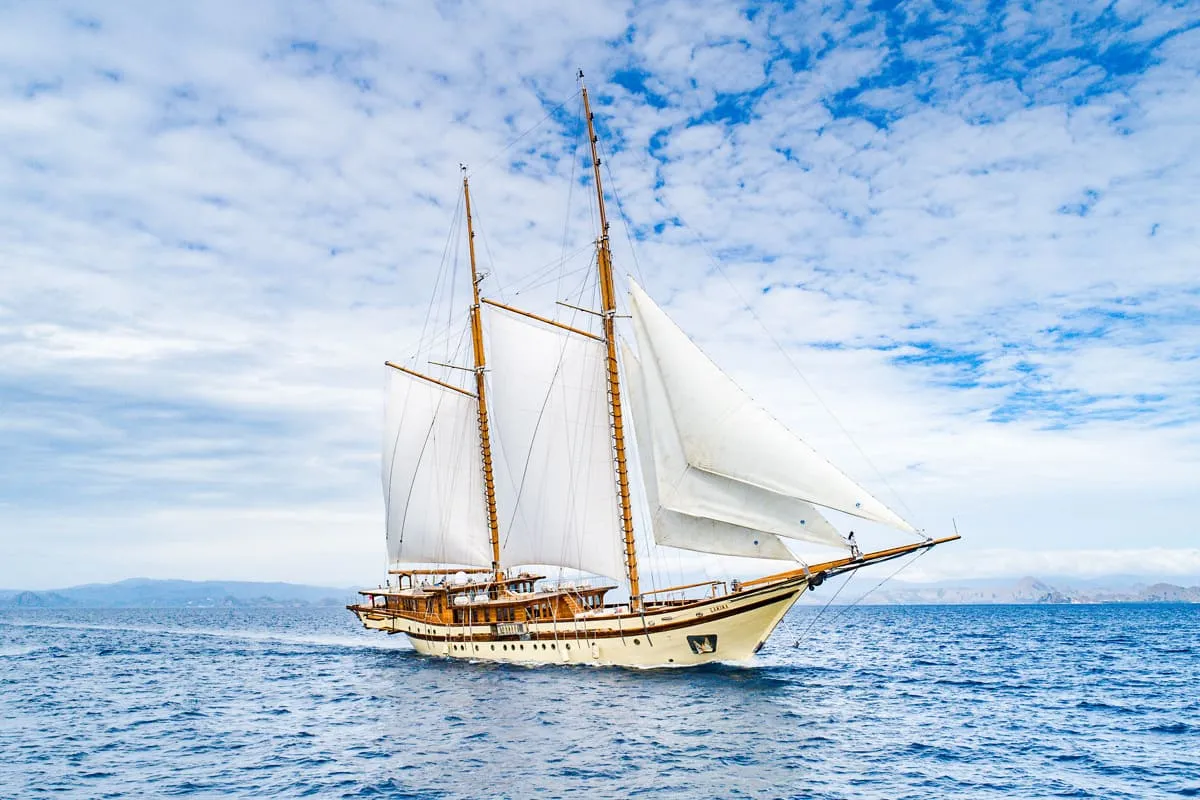
The Labuan Bajo marina, affectionately known as bajo marina by many, is more than just a collection of docks and jetties; it is the beating heart of marine tourism in East Nusa Tenggara, Indonesia. This strategic location on Flores Island positions it as the primary gateway for boat tours into the legendary Komodo National Park. The air here is thick with the scent of salt and diesel, a constant, invigorating reminder of the vast ocean’s proximity. The rhythmic creak of lines against cleats and the distant, reassuring thrum of engines define the soundscape, a low hum of activity that underpins the daily operations of this vital maritime hub. It’s a place where traditional phinisi vessels, sleek modern yachts, and various other boats converge, creating a dynamic tapestry of maritime life.
The Strategic Significance of Labuan Bajo Marina
The Labuan Bajo marina functions as the primary gateway port for boat tours into Komodo National Park, a critical node in Indonesian marine tourism. Located on the western tip of Flores Island in East Nusa Tenggara, Indonesia, its geographical coordinates are approximately 8.4961°S 119.8877°E. This strategic position facilitates unparalleled access to the protected waters and myriad islands of the park, which lies about 54 km by sea from Labuan Bajo. Typical ferry trips from the marina to Komodo National Park take around 2.5 hours, a consistent transit time for the daily departures that ferry thousands of visitors annually. The East Nusa Tenggara Province, where Labuan Bajo is located, was officially formed on 14 August 1958, establishing the administrative context for this region’s development and its growing prominence as a global travel destination.
Infrastructure at the Labuan Bajo marina caters to a diverse fleet, from the majestic traditional phinisi vessels, renowned for their craftsmanship and seaworthiness, to modern yachts and smaller local boats, reflecting its pivotal role in supporting the region’s burgeoning marine economy. Coastal planning initiatives for Flores Island continue to shape the marina’s expansion and operational protocols, aiming to balance increased capacity with environmental sustainability. The harbor at Labuan Bajo supports regular daily boat departures to nearby islands within Komodo National Park during the main tourist season, underscoring its operational consistency and reliability for travellers eager to explore the wonders of Komodo. The sheer volume of boats moving in and out of the marina highlights its central role in facilitating exploration of the Komodo archipelago, ensuring that adventurers have consistent access to this unique ecosystem.

Navigating Labuan Bajo Marina: Berthing, Mooring, and Essential Services
For yacht and liveaboard travellers, understanding the berthing and mooring options at Labuan Bajo marina is paramount. The marina offers various facilities designed to accommodate vessels of different sizes, including dedicated berths for yachts and secure moorings for phinisi vessels. Advance booking is advisable, especially during peak tourist seasons from April to December, when demand for space is exceptionally high. The independent nature of bajo marina means that while facilities are robust, planning ahead is key to securing a good spot for your vessel.
Berthing and Mooring Logistics for Transient Vessels
The Labuan Bajo marina provides a range of berthing solutions. For smaller boats and those requiring shore power and direct access to town facilities, dedicated berths are available. These berths offer convenience, but their availability can be limited, particularly for larger yachts. For many, especially larger liveaboards and traditional phinisi, the preferred option involves securing an anchorage. The waters around Labuan Bajo offer several suitable areas for boats to drop anchor, providing a more secluded experience away from the immediate bustle of the main marina. However, it’s crucial to be aware of local regulations and designated anchoring zones to avoid damaging sensitive coral reefs.
In addition to traditional anchoring, the marina area also features a system of mooring buoys. These buoys offer a secure and environmentally friendly alternative to dropping anchor, protecting the seabed from potential damage. Utilising a mooring buoy is often recommended, especially within or near ecologically sensitive areas of Komodo National Park. Availability of these buoys can vary, and it’s always best to inquire with local authorities or reputable tour operators for the most current information and guidance. Whether opting for a berth, an anchorage, or a mooring buoy, understanding the local currents and weather patterns is essential for the safety of your sailboat or any other type of boat.
The increasing popularity of Labuan Bajo as a sailing destination means that the demand for these facilities continues to grow. While the marina strives to accommodate all vessels, the sheer number of boats, from small local fishing boats to luxury yachts, necessitates careful planning. Proper communication with the marina management or local agents can significantly smooth the process of securing a suitable place for your vessel, ensuring a stress-free arrival and departure from this vibrant hub. The ability to safely anchor or berth is fundamental to enjoying the full experience of exploring Komodo and its surrounding islands.
Essential Services and Provisions in Labuan Bajo
Beyond berthing, the Labuan Bajo marina and the surrounding town provide an array of essential services for transient vessels. Access to high-quality fuel is readily available, with several suppliers offering bunkering services directly at the marina or via tanker trucks for larger vessels at anchor. Fresh water is also a critical commodity, and reliable sources are accessible for refilling tanks. For waste management, facilities are being improved to handle both black and grey water, aligning with the region’s commitment to environmental protection within Komodo National Park and its pristine waters.
Provisioning is another key aspect of preparing for extended voyages into Komodo. The town of Labuan Bajo boasts a growing number of supermarkets, local markets, and specialty stores where crews can stock up on fresh produce, meats, dry goods, and other supplies. While not as extensive as major cities like Bali, the selection is continually improving. For more specific or imported items, advance ordering through local agents might be necessary. There are also several reputable marine supply stores catering to basic boat maintenance and repair needs, offering spare parts, ropes, and other essential equipment. Mechanical and electrical repair services are available, though specialized repairs might require more time or sourcing parts from larger Indonesian cities.
For dining and relaxation, Labuan Bajo offers a diverse range of restaurants, from local warungs serving authentic Indonesian cuisine to more upscale establishments offering international fare. These provide a welcome respite for crews after long days at sea or exploring the islands of Komodo. Laundry services, medical clinics, and pharmacies are also easily accessible within the town, ensuring that all practical needs of yacht and liveaboard travellers are met. The comprehensive nature of these services makes Labuan Bajo a truly self-sufficient base for exploring the wonders of Komodo and beyond, solidifying its reputation as a premier maritime destination in Indonesia.
Exploring Komodo National Park: A World Heritage Site from Labuan Bajo
The true allure of Labuan Bajo marina lies in its unparalleled role as the primary launching pad for expeditions into Komodo National Park. This UNESCO World Heritage Site is a realm of extraordinary biodiversity, both above and below its turquoise waters. Home to the legendary Komodo dragon, the park encompasses a dramatic landscape of volcanic islands, pristine beaches, and vibrant coral reefs, making it a dream destination for adventurers, divers, and nature enthusiasts alike. The journey from Labuan Bajo to the heart of Komodo is an experience in itself, offering breathtaking vistas of the archipelago.
Unveiling the Wonders of Komodo National Park
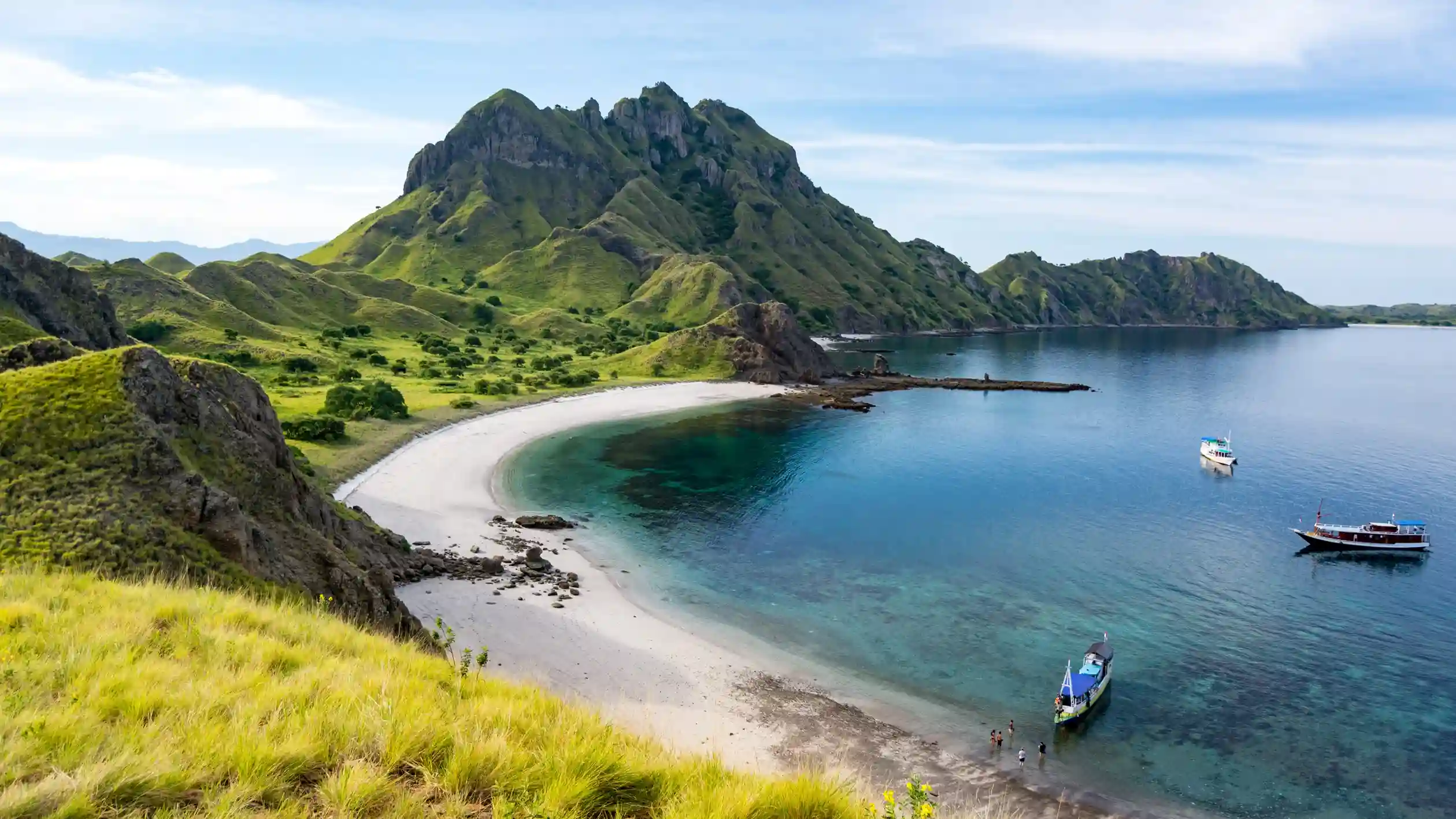
Komodo National Park is renowned globally for its unique terrestrial and marine ecosystems. The star attraction, of course, is the Komodo dragon (Varanus komodoensis), the world’s largest living lizard. Guided tours to islands like Rinca and Komodo Island itself offer safe and respectful opportunities to observe these magnificent creatures in their natural habitat. Beyond the dragons, the park’s islands boast diverse flora and fauna, including Timor deer, wild boar, and various bird species. The rugged, savanna-like landscapes contrast beautifully with the white and pink sand beaches, offering stunning photographic opportunities at every turn.
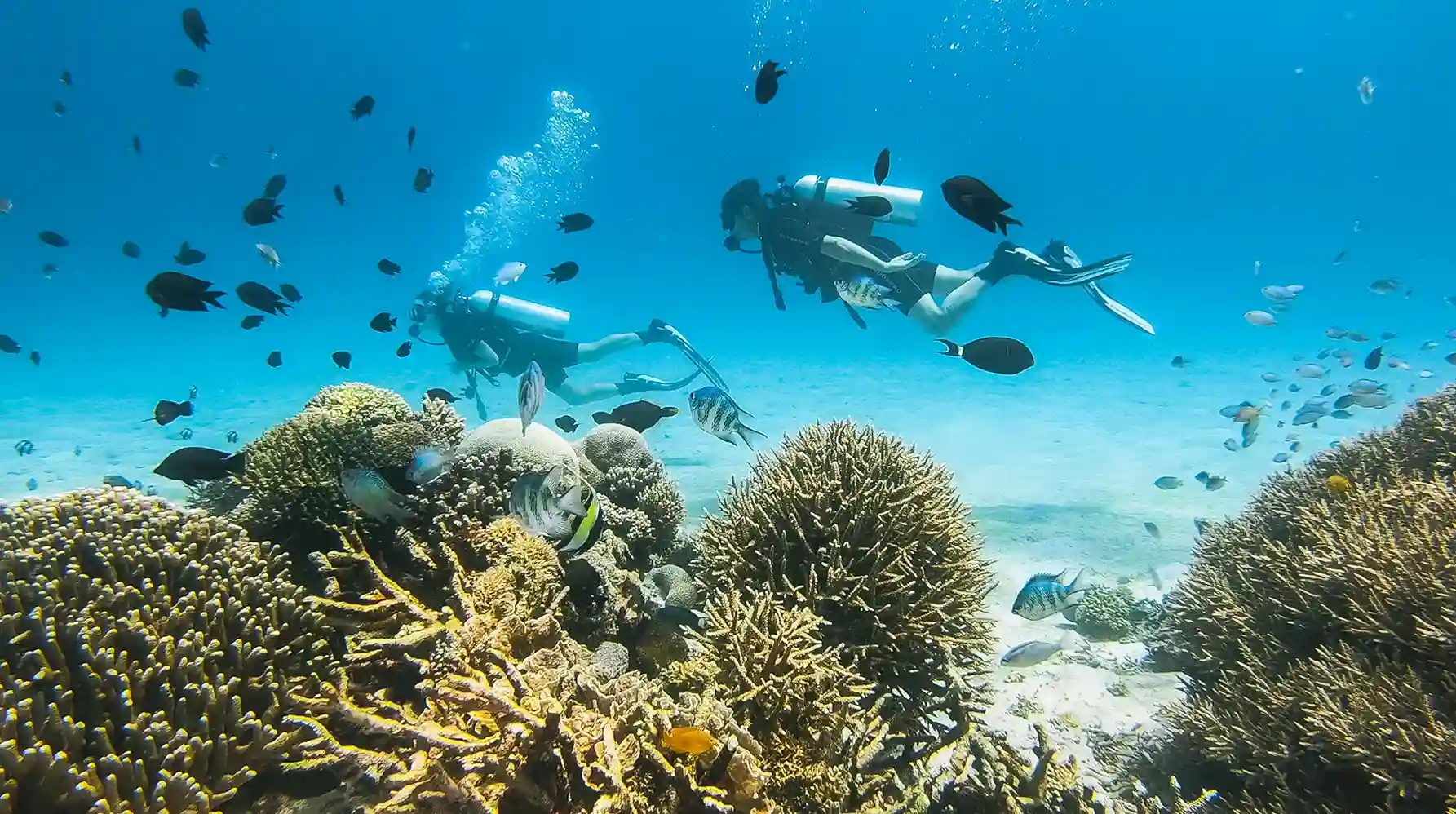
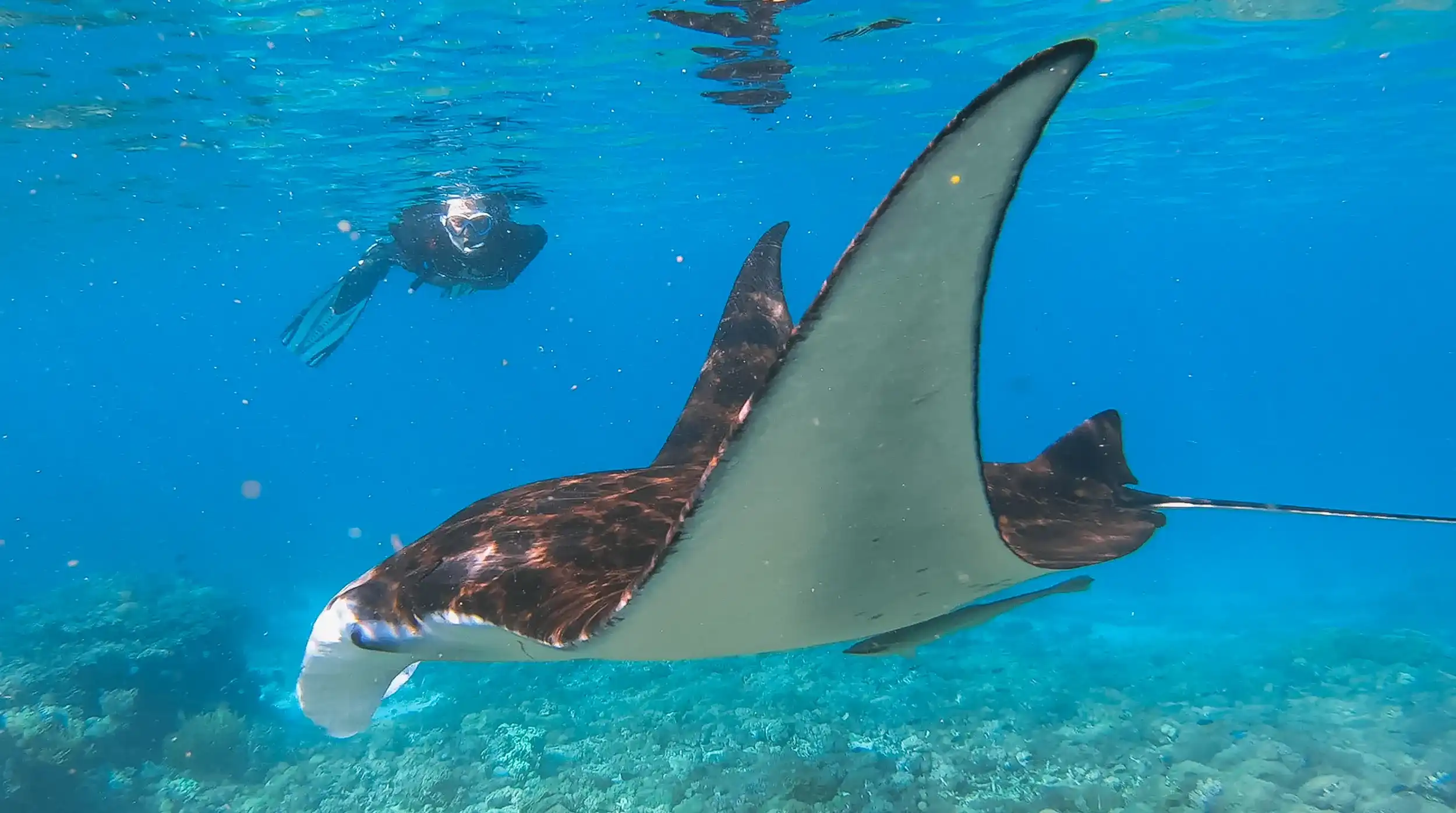
However, the wonders of Komodo extend far beneath the surface of the ocean. The marine environment here is a vibrant tapestry of life, making it one of the world’s premier destinations for diving and snorkelling. The nutrient-rich currents flowing through the archipelago create an incredibly diverse ecosystem, supporting an astonishing array of marine species. From tiny pygmy seahorses to majestic manta rays and whale sharks, the underwater world of Komodo is a spectacle of colour and movement. Numerous tour operators in Labuan Bajo offer guided diving and snorkelling trips, catering to all experience levels, ensuring that visitors can safely explore these aquatic treasures.
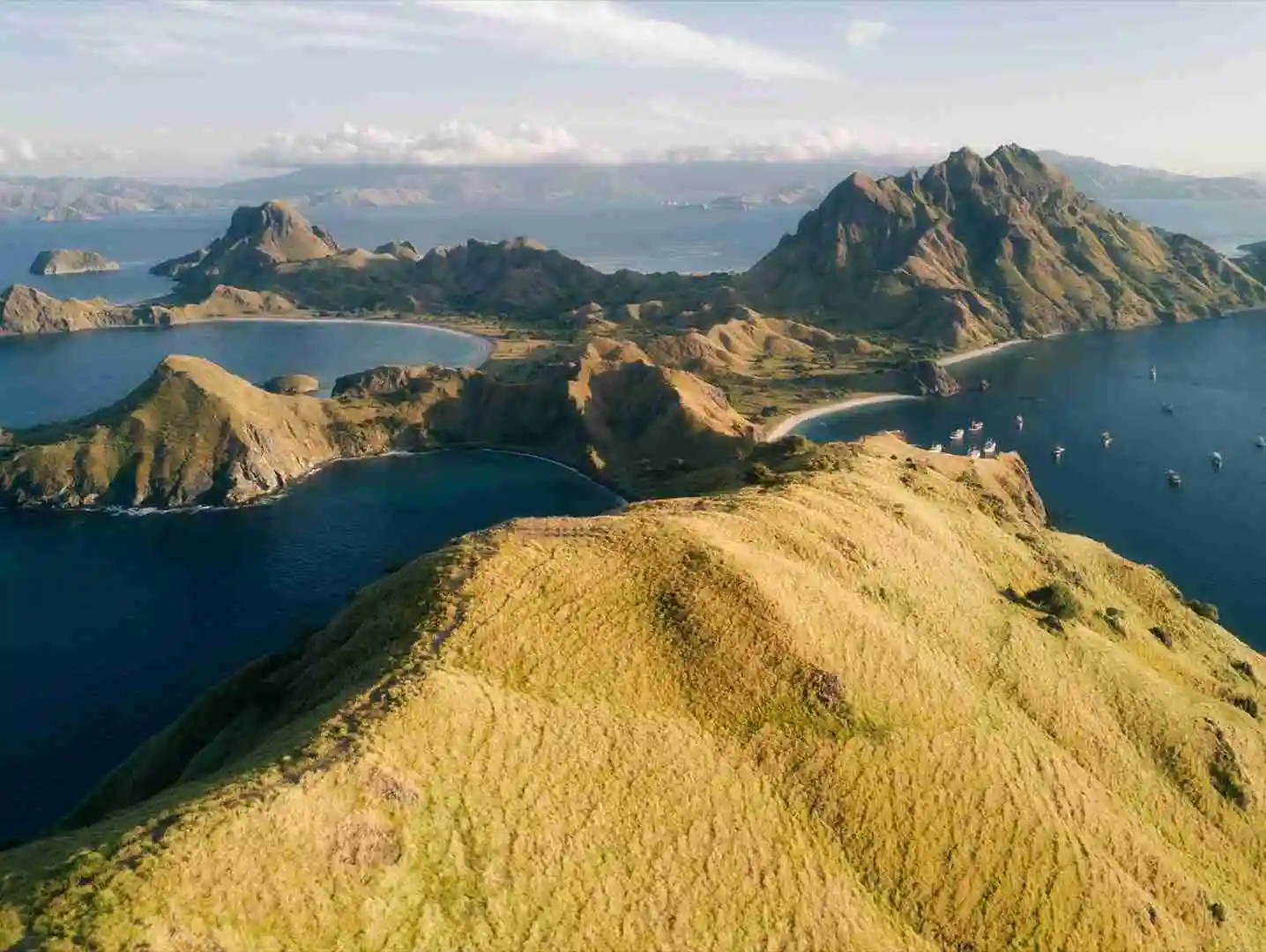
The sheer number of islands within Komodo National Park means there is always a new cove to discover, a new beach to relax on, or a new dive site to explore. From the iconic Padar Island with its panoramic viewpoints to the tranquil waters of Kanawa Island, each island offers a distinct experience. The ease of access from Labuan Bajo, with a constant stream of boats departing daily, makes exploring these natural wonders remarkably convenient. For those seeking an unforgettable adventure, Komodo truly is a good spot to immerse oneself in nature’s grandeur.
Iconic Dive Sites and Marine Life around Komodo
The waters surrounding Komodo National Park are a diver’s paradise, boasting an incredible array of dive sites that cater to all levels of experience. Strong currents, while challenging, bring in a constant supply of nutrients, fostering an explosion of marine biodiversity. One of the most famous sites is Castle Rock, known for its strong currents and abundant pelagic life, including grey reef sharks, white-tip reef sharks, and giant trevally. It’s a thrilling drift dive, often considered one of the best in Komodo for experienced divers seeking adrenaline and big fish encounters.
Another spectacular site is the Northern Channel, which encompasses several dive spots renowned for their vibrant coral gardens and diverse fish populations. Sites like Crystal Rock and Cauldron (also known as Shotgun) within this channel offer incredible visibility and opportunities to see schooling fish, turtles, and even occasional dugongs. Manta Point, true to its name, is a consistent location for encountering majestic manta rays, which gather here to feed on plankton or visit cleaning stations. The sheer volume of marine life encountered during diving excursions in Komodo is unparalleled, making it a bucket-list destination for underwater photographers and enthusiasts.
Beyond these well-known spots, countless other dive sites dot the archipelago, each with its unique characteristics. From macro havens brimming with nudibranchs and frogfish to vibrant reef systems teeming with colourful corals and reef fish, the options for underwater exploration are vast. Many liveaboard boats spend days or even weeks exploring these sites, allowing divers to fully immerse themselves in the rich marine tapestry of Komodo. The pristine condition of these reefs, largely due to ongoing conservation efforts within Komodo National Park, ensures a truly spectacular and unforgettable diving experience. The diversity of the islands themselves, including the smaller, often unnamed islands sometimes referred to informally as the Bajo Island areas, adds to the sense of discovery and adventure for those exploring by boat.
Life in Labuan Bajo: Beyond the Marina
While the primary draw of Labuan Bajo is its role as the gateway to Komodo National Park, the town itself has transformed significantly in recent years, evolving from a sleepy fishing village into a vibrant tourist hub. It offers much more than just a departure point; it’s a place where travellers can unwind, explore local culture, and prepare for their next adventure. The energy of the town is palpable, a blend of traditional Indonesian charm and modern tourist amenities.
The Vibrant Town of Labuan Bajo
The town of Labuan Bajo is a fascinating blend of cultures and activities. Its main street, running parallel to the waterfront, is lined with guesthouses, hotels, dive shops, and a growing number of cafes and restaurants. The culinary scene in Labuan Bajo has flourished, offering everything from fresh seafood barbecues at the night market to international cuisine catering to diverse palates. Local warungs serve up authentic Indonesian dishes, providing a taste of the region’s rich flavours.
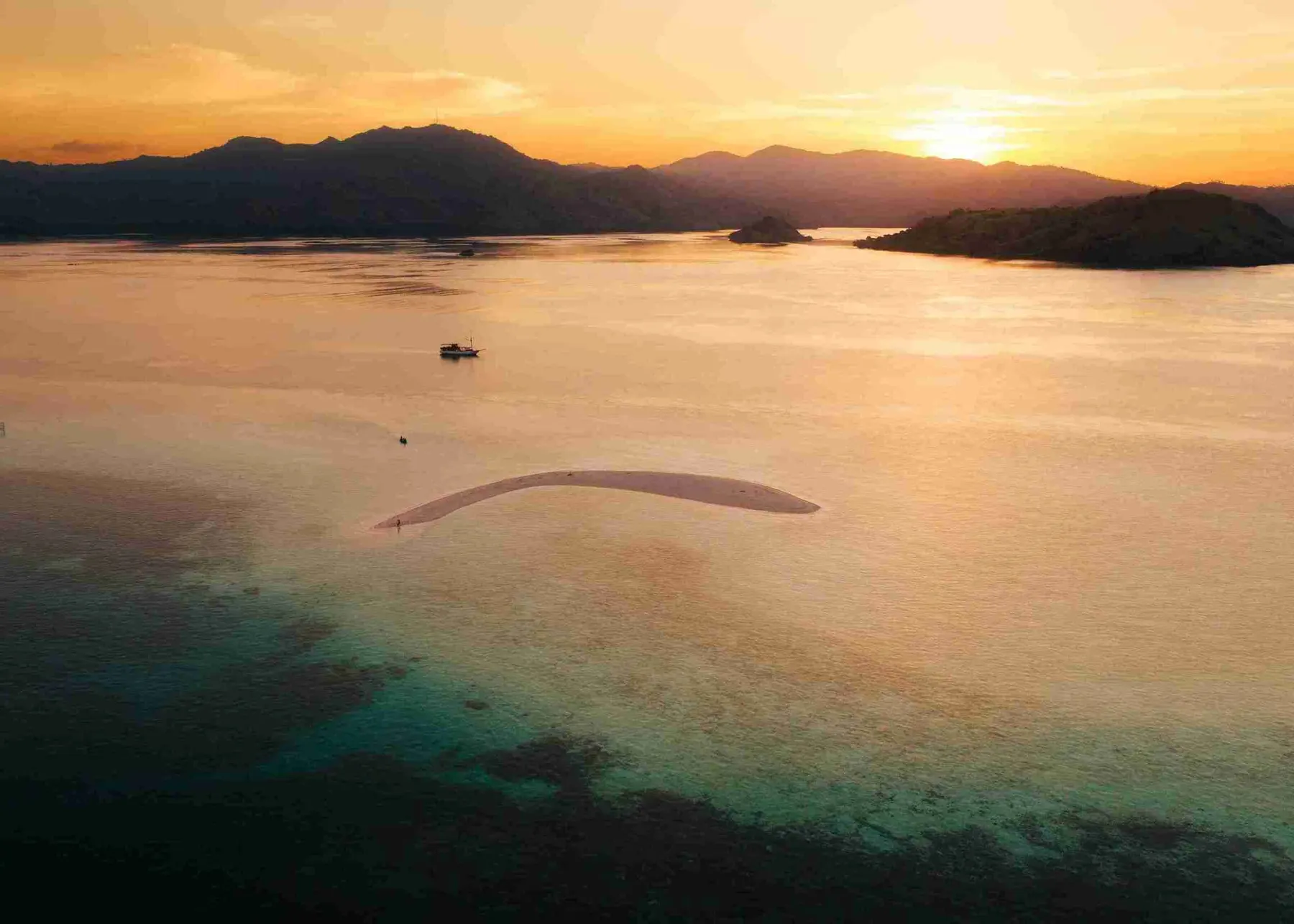
Beyond dining, the town offers opportunities to experience local life. The bustling local market is a sensory delight, where vendors sell fresh produce, spices, and local handicrafts. It’s a good spot to observe daily life and interact with the friendly locals. For those interested in cultural experiences, there are opportunities to visit traditional villages in the surrounding Flores hinterland, offering insights into the unique customs and traditions of the Manggarai people. The growth of tourism has also brought a range of modern conveniences, including ATMs, pharmacies, and small boutiques selling souvenirs and beachwear. The waterfront promenade, particularly at sunset, becomes a lively gathering point, offering stunning views over the bay and the numerous boats anchored there.
Accommodation options in Labuan Bajo range from budget-friendly hostels to luxurious resorts perched on hillsides overlooking the bay. This variety ensures that every traveller can find a suitable place to stay, whether they are backpacking through Indonesia or seeking a high-end experience before or after their journey into Komodo National Park. The development of the town is continuous, with new establishments and services appearing regularly, further solidifying its position as a comfortable and engaging base for exploring the region.
Connecting with Indonesia: Travel to and from Labuan Bajo
Labuan Bajo‘s accessibility has been a key factor in its rise as a tourist destination. The Komodo Airport (LBJ) offers multiple daily flights connecting Labuan Bajo directly to major Indonesian hubs such as Denpasar (Bali) and Jakarta. These air links provide convenient access for both domestic and international travellers, making the journey to Komodo National Park relatively straightforward. The flight from Bali to Labuan Bajo is particularly popular, typically taking just over an hour, offering spectacular aerial views of the archipelago.
For those travelling by sea, regular ferry services connect Labuan Bajo with other islands in Indonesia, including Lombok and Sumbawa. While slower than flying, these ferry journeys offer a more immersive travel experience, allowing passengers to witness the vastness of the Indonesian archipelago from a different perspective. For yacht and liveaboard travellers, Labuan Bajo marina serves as an excellent point of entry or exit for longer voyages across Indonesia, offering all necessary clearance and logistical support.
The strategic location of Labuan Bajo also makes it a convenient hub for exploring other parts of Flores Island. Overland tours can be arranged to visit attractions such as the multi-coloured crater lakes of Kelimutu, traditional villages like Wae Rebo, and stunning waterfalls. This broader access to Flores’s natural and cultural treasures further enhances Labuan Bajo‘s appeal as a comprehensive travel destination. Whether arriving by air or sea, the ease of access to and from Labuan Bajo ensures that this incredible corner of Indonesia is within reach for adventurers worldwide.
Sustainable Tourism and the Future of Bajo Marina
The rapid growth of tourism in Labuan Bajo and Komodo National Park brings with it a significant responsibility: to ensure that this pristine environment is preserved for future generations. The concept of sustainable tourism is at the forefront of development plans for the Labuan Bajo marina and the entire region. Balancing economic growth with environmental protection is a delicate act, but one that is crucial for the long-term health of this unique ecosystem.
Preserving the Pristine Beauty of Komodo
Conservation efforts within Komodo National Park are extensive and multifaceted. Strict regulations are in place to protect the Komodo dragons and their habitat, as well as the incredibly diverse marine life. For boats operating within the park, there are designated zones for anchoring and mooring, with a strong emphasis on using mooring buoys to prevent anchor damage to coral reefs. Diving and snorkelling activities are carefully managed, with guidelines in place to ensure minimal impact on the fragile underwater ecosystems. Many tour operators in Labuan Bajo actively participate in conservation initiatives, promoting responsible tourism practices among their guests.
The local community also plays a vital role in these preservation efforts. Education programs are ongoing to raise awareness about environmental protection and the importance of sustainable practices. Waste management is a continuous challenge, but efforts are being made to improve infrastructure and promote recycling and responsible waste disposal, both in the town and on the boats operating out of bajo marina. The goal is to ensure that the natural beauty and ecological integrity of Komodo remain intact, allowing visitors to experience its wonders without compromising its future.
The challenges are significant, but the commitment to conservation is strong. By adhering to regulations, supporting responsible businesses, and practicing mindful tourism, visitors can contribute positively to the preservation of Komodo National Park. The health of the park’s ecosystems, from the terrestrial habitats of the Komodo dragons to the vibrant coral reefs, is paramount, and every effort is being made to safeguard this irreplaceable natural heritage for the world.
The Evolving Landscape of Labuan Bajo
The future of Labuan Bajo and its marina is one of continued evolution and development, with a strong focus on enhancing visitor experience while upholding sustainability principles. Infrastructure improvements are ongoing, including upgrades to the airport, roads, and the Labuan Bajo marina itself, aiming to improve efficiency and capacity. These developments are designed to accommodate the increasing number of visitors and boats, ensuring that access to Komodo National Park remains smooth and enjoyable.
There is also a growing emphasis on developing a broader range of tourism products beyond just Komodo, encouraging visitors to explore the rich cultural and natural attractions of Flores Island. This diversification helps to distribute tourist impact and provides more opportunities for local communities. The independent spirit of bajo marina, as a hub for diverse travellers and local businesses, is something that authorities and stakeholders are keen to maintain, fostering a unique and authentic atmosphere.
As Labuan Bajo continues to grow, its role as a key maritime gateway in Indonesia will only strengthen. The blend of stunning natural beauty, unique wildlife, vibrant local culture, and improving infrastructure makes it an increasingly attractive destination for yacht and liveaboard travellers. The commitment to responsible development ensures that while the town and its marina evolve, the core values of environmental stewardship and authentic travel experiences remain at the heart of its identity. This ongoing transformation promises an even richer and more sustainable future for Labuan Bajo and its beloved Komodo National Park.
In conclusion, the bajo marina, or Labuan Bajo marina, stands as an indispensable nexus for anyone seeking to explore the unparalleled wonders of Komodo National Park. From its strategic location providing critical access to the park’s islands and legendary Komodo dragons, to its comprehensive services for yacht and liveaboard travellers, it is the quintessential starting point for adventure in this extraordinary corner of Indonesia. Whether you are seeking world-class diving at sites like Castle Rock and the Northern Channel, or simply wish to immerse yourself in the vibrant culture of Labuan Bajo town, this independent editorial guide aims to equip you with the knowledge needed for a seamless and unforgettable journey. With its growing array of facilities, from berths and secure anchorage options to reliable fuel and provisioning, the Labuan Bajo marina is more than just a port; it’s the very heartbeat of exploration in the Komodo archipelago, inviting you to drop anchor and discover a world unlike any other.