
For yacht and liveaboard operators, understanding the operational landscape of Komodo National Park access from Labuan Bajo is paramount. This guide provides clarity on the necessary considerations for a seamless expedition.
Labuan Bajo: The Strategic Gateway to Komodo
Labuan Bajo functions as the primary gateway port for boat tours into Komodo National Park. Situated on the western tip of Flores Island in East Nusa Tenggara, Indonesia, at approximately 8.4961°S 119.8877°E, its geographical position is critical. The town’s infrastructure has developed around its role as a marine hub, supporting a wide range of services for visiting vessels. East Nusa Tenggara Province, where Labuan Bajo is located, was officially formed on 14 August 1958, establishing a foundational administrative structure for the region. This administrative background underpins the regulatory environment governing marine operations. The harbor at Labuan Bajo supports regular daily boat departures to nearby islands within Komodo National Park during the main tourist season, indicating a robust operational capacity. This consistent traffic flow necessitates adherence to established protocols for all vessels, including private yachts. Komodo National Park lies about 54 km by sea from Labuan Bajo, with typical ferry trips taking around 2.5 hours, demonstrating the proximity and ease of transit.
Navigating Komodo National Park Regulations
Komodo National Park was established in 1980 and designated a UNESCO World Heritage Site in 1991. These designations impose strict environmental protection measures and operational guidelines that all vessels must observe. Entry into the park requires specific permits and adherence to designated zones. Yachts and liveaboards must process all necessary documentation through authorized channels in Labuan Bajo before proceeding into park waters. This includes permits for anchoring, diving, and general transit. Enforcement is consistent, reflecting the park’s commitment to conservation. The regulations dictate permissible activities, waste management protocols, and limitations on group sizes for certain excursions. Understanding these rules is not merely a formality but a core responsibility for preserving the park’s unique biodiversity. Compliance ensures a responsible and uninterrupted experience within this protected area.
Permits and Fees for Yacht Entry
Securing the correct permits is non-negotiable for yacht and liveaboard access to Komodo National Park. These permits cover various aspects, including park entry fees per person, vessel entry fees, and specific activity permits such as diving or trekking. The fee structure differentiates between Indonesian citizens and foreign nationals. All transactions are typically handled through designated park offices or authorized agents in Labuan Bajo. It is advisable to initiate the permit application process well in advance, especially during peak season, to avoid delays. The permit system is designed to manage visitor impact and fund conservation efforts. Without proper documentation, entry into the park is prohibited, and penalties may apply. Accurate declaration of crew and passenger numbers is also essential for permit validity.
Logistics and Services at Bajo Marina
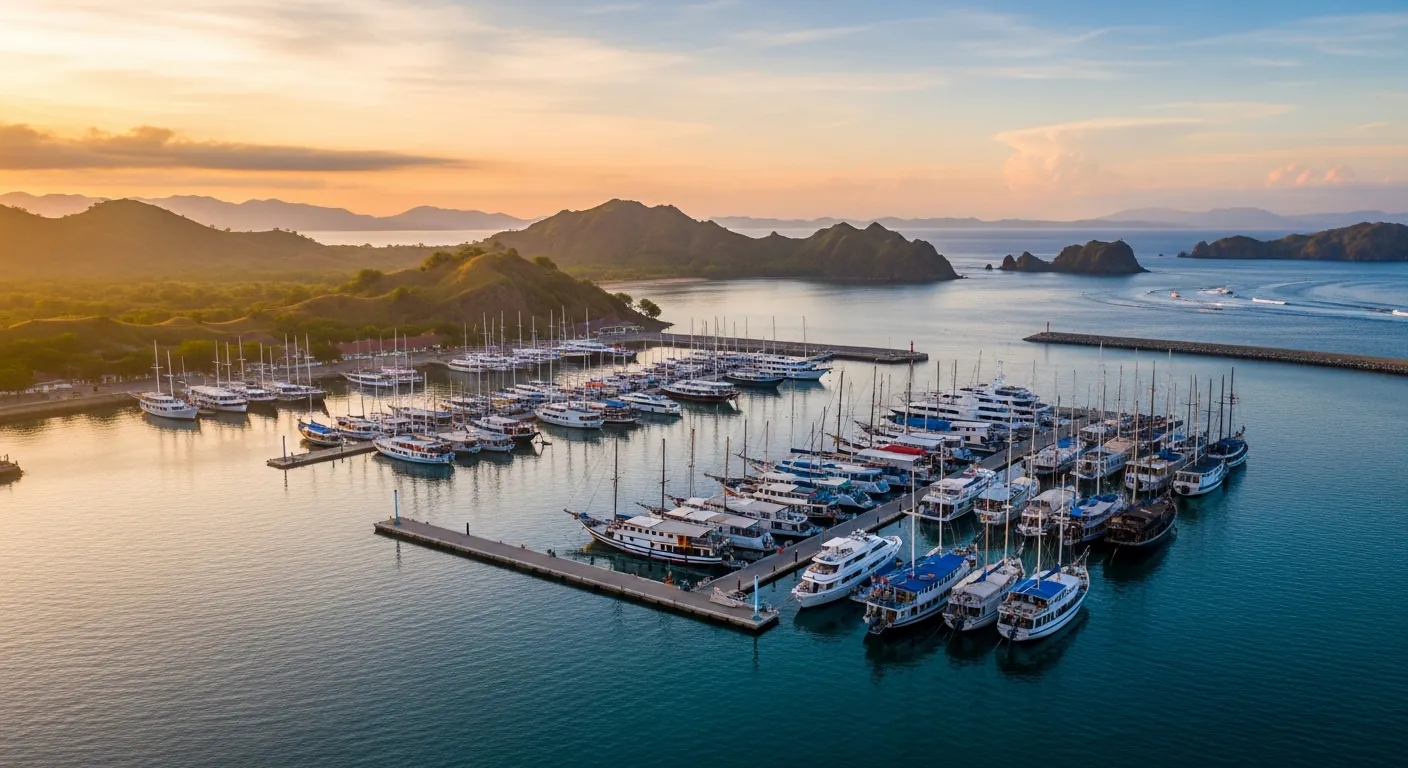
The Labuan Bajo marina (Bajo Marina) provides essential services for yachts and liveaboards preparing for Komodo excursions. These services include berthing, refueling, fresh water supply, and waste disposal facilities. The marina’s strategic location within Labuan Bajo simplifies access to provisioning stores, repair services, and local transportation. Labuan Bajo, located on the western tip of Flores Island, offers a developing but increasingly comprehensive support network for maritime activities. For extensive repairs or specialized parts, prior arrangements are recommended, as the range of services can be more limited than in larger international ports. The harbor’s capacity has expanded to accommodate the growing number of vessels accessing Komodo. Communication infrastructure, while improving, still benefits from satellite communication systems for reliable long-range contact. Labuan Bajo serves as the logistical backbone for all voyages into the national park.
Planning Your Route: From Labuan Bajo to Komodo
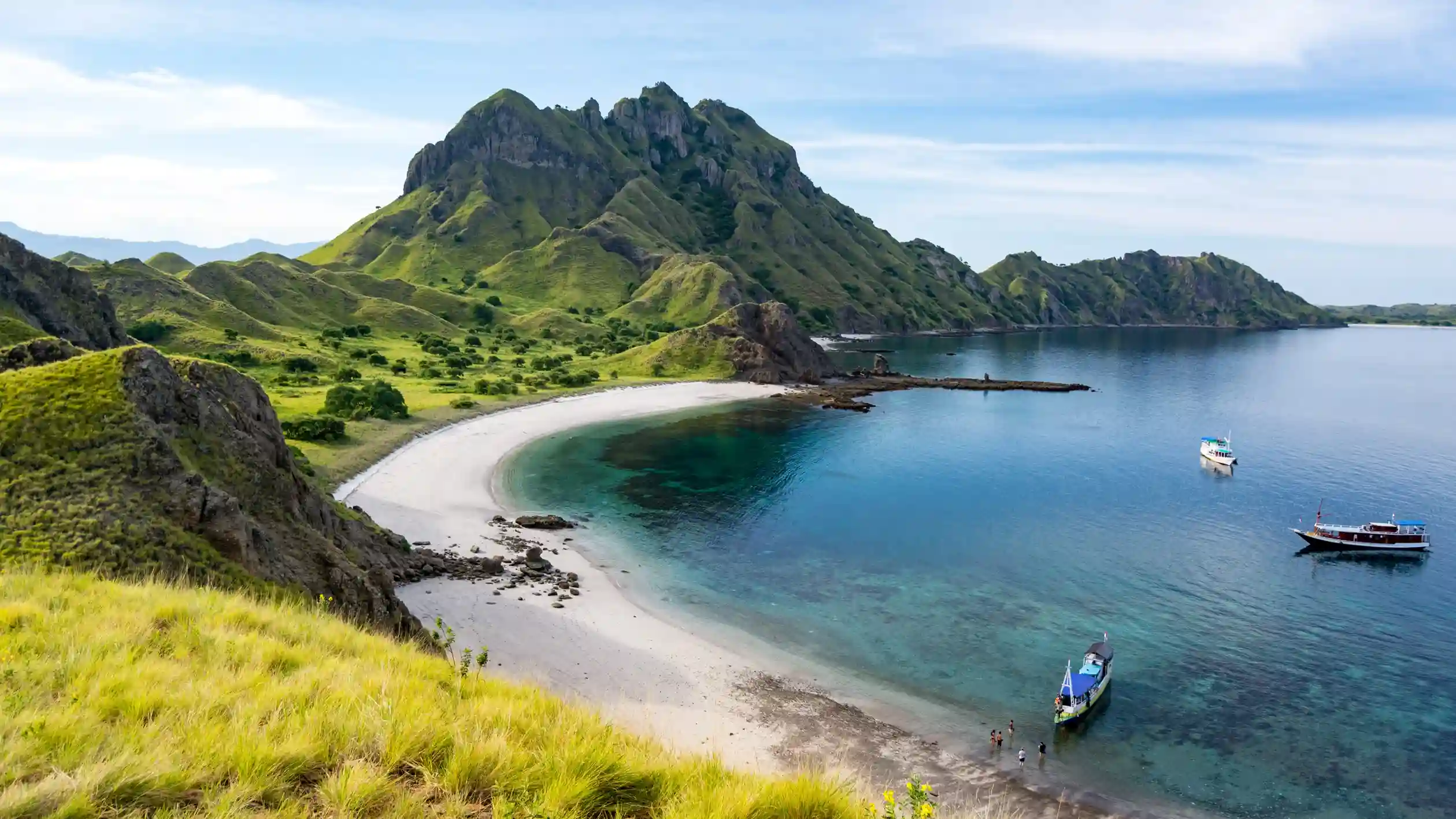
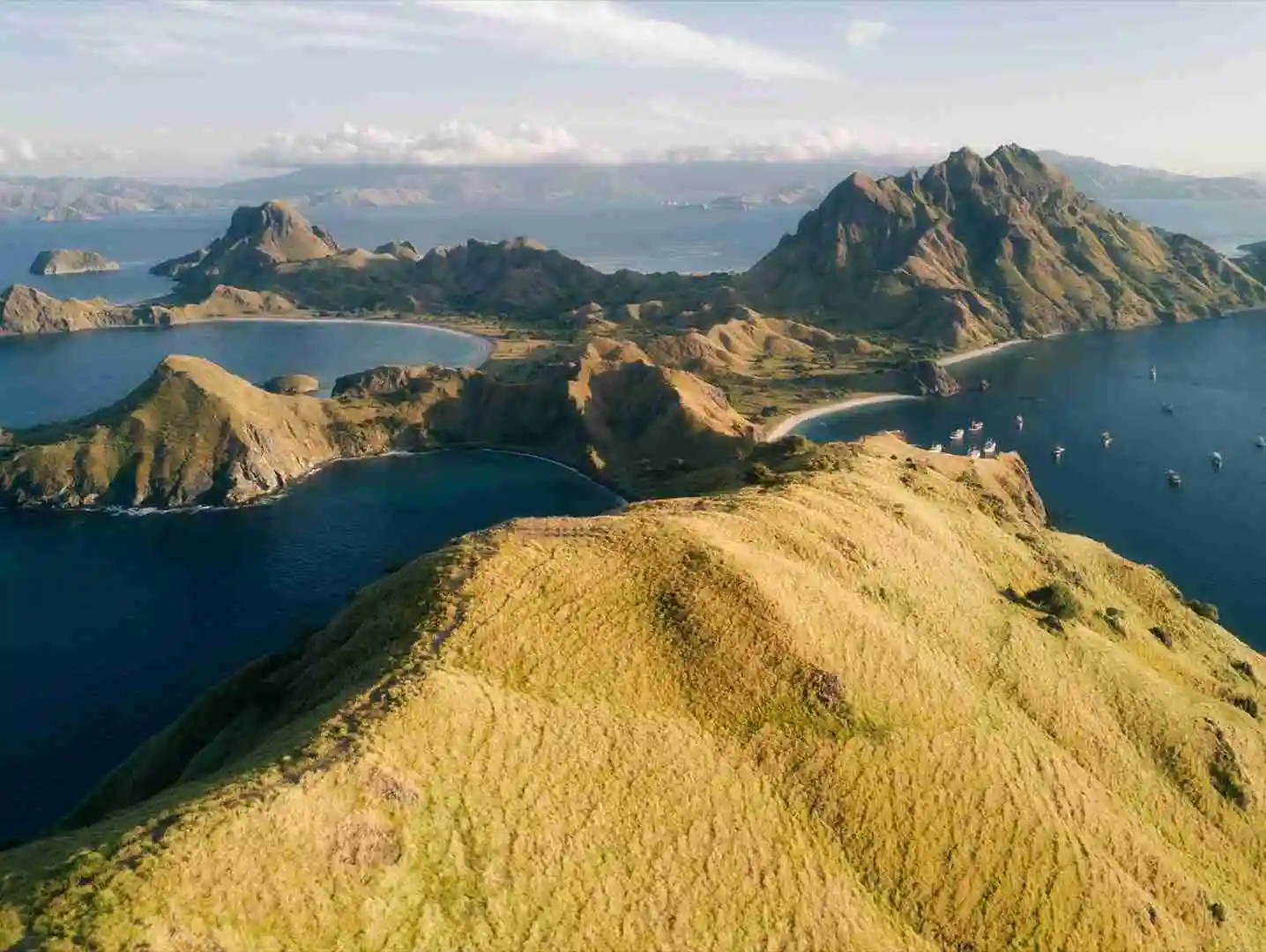
Komodo National Park lies about 54 km by sea from Labuan Bajo. The journey typically takes several hours, depending on vessel speed and sea conditions. Common routes involve navigating through the various islands and channels that characterize the Komodo archipelago. Popular destinations within the park include Rinca Island, Padar Island, and Komodo Island itself, along with numerous dive sites. Navigational charts and local knowledge are crucial for safe passage, as currents can be strong and unpredictable in certain areas. Weather patterns, particularly during the monsoon seasons, must be factored into route planning. The main tourist season generally runs from April to December, offering more stable weather conditions. Flores Island provides a significant backdrop to these routes. The harbor at Labuan Bajo supports regular daily boat departures, indicating well-established transit corridors.
Environmental Responsibility and Park Etiquette
Operating within Komodo National Park demands a high degree of environmental responsibility. As a UNESCO World Heritage Site, the park’s fragile ecosystems require careful stewardship from all visitors. This includes strict adherence to “leave no trace” principles. Proper waste management, including the removal of all refuse from park waters, is mandatory. Anchoring should only occur in designated areas or on sandy bottoms to prevent damage to coral reefs. Interaction with wildlife, especially the Komodo dragons, must be conducted under the guidance of park rangers and from a safe distance. Fishing is strictly prohibited within park boundaries. Respect for local communities and their traditions is also an important aspect of park etiquette. These guidelines are not merely suggestions but enforceable regulations designed to protect the biodiversity of Komodo National Park for future generations.
Navigating Labuan Bajo marina: Facilities for luxury yachts
The scent of salt and diesel mingles with the promise of adventure as you step onto the busy docks of Labuan Bajo’s marina, the gateway to an ancient world. Labuan Bajo’s modern marina infrastructure caters specifically to the discerning needs of luxury yacht and liveaboard operators. Upon arrival, international vessels clear customs and immigration directly at the port, a streamlined process designed for efficiency. The marina offers designated berths with shore power and fresh water access, accommodating a variety of vessel sizes, typically up to 50 meters in length. Comprehensive port services include efficient waste management, high-quality general provisions, and a network of reputable local agents who assist with everything from itinerary planning to securing specialized permits for sensitive areas within the park. This robust support system ensures that the logistical demands of a luxury expedition are met with seamless professionalism.
For extended stays or specific maintenance needs, several local workshops provide minor repairs and technical support, ensuring your vessel remains in prime condition for exploration. High-quality fuel is readily available, and dedicated concierge services can arrange for gourmet catering, fine wines, and bespoke experiences both on board and ashore. Beyond the practicalities, the marina serves as a vibrant hub where luxury travelers can connect with expert dive masters, explore local artisan markets, or simply unwind at upscale waterfront cafes, all within a short 10-minute drive from Komodo Airport (LBJ).
Sustainable luxury: Responsible access to Komodo’s wonders
As a UNESCO World Heritage site since 1991 and a New7Wonders of Nature, Komodo National Park is a jewel of biodiversity, demanding respect and responsible tourism practices. Access from Labuan Bajo Marina is meticulously regulated to preserve its fragile ecosystems. Each vessel entering the park pays a conservation fee, which directly supports park management and local community initiatives. For instance, the daily conservation fee for foreign visitors can range from IDR 150,000 to IDR 225,000, depending on the day of the week, in addition to activity fees. These fees are vital for funding ranger patrols, anti-poaching efforts, and educational programs for local communities.
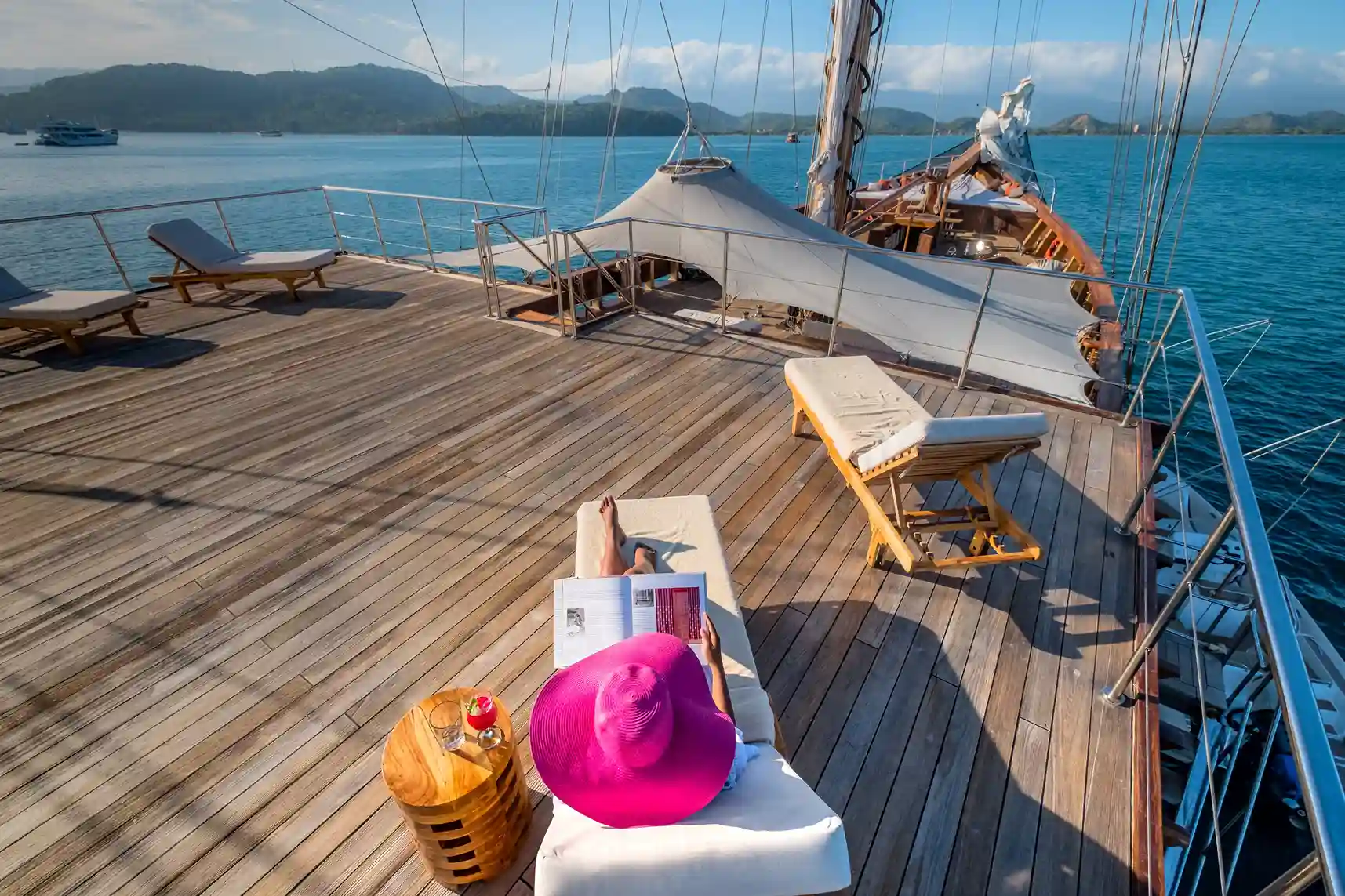
Luxury operators are often at the forefront of sustainable practices, employing experienced local guides who ensure minimal environmental impact during snorkeling, diving, and land excursions. These guides educate guests on proper conduct, such as maintaining a safe distance from wildlife—including the iconic Komodo dragons—and adhering to strict no-touch policies for coral reefs. Waste segregation and greywater management are strictly enforced, reinforcing the commitment to protecting this pristine marine environment for generations to come. Reputable luxury charters prioritize vessels equipped with advanced water purification systems and eco-friendly waste disposal methods, ensuring your journey through this magnificent park is as responsible as it is unforgettable.