By 2027, Bajo Marina diving technology will feature advanced innovations, focusing on eco-friendly diving gear and enhanced underwater communication systems, ensuring safer and more immersive diving experiences.
Bajo Marina Diving Technology 2027
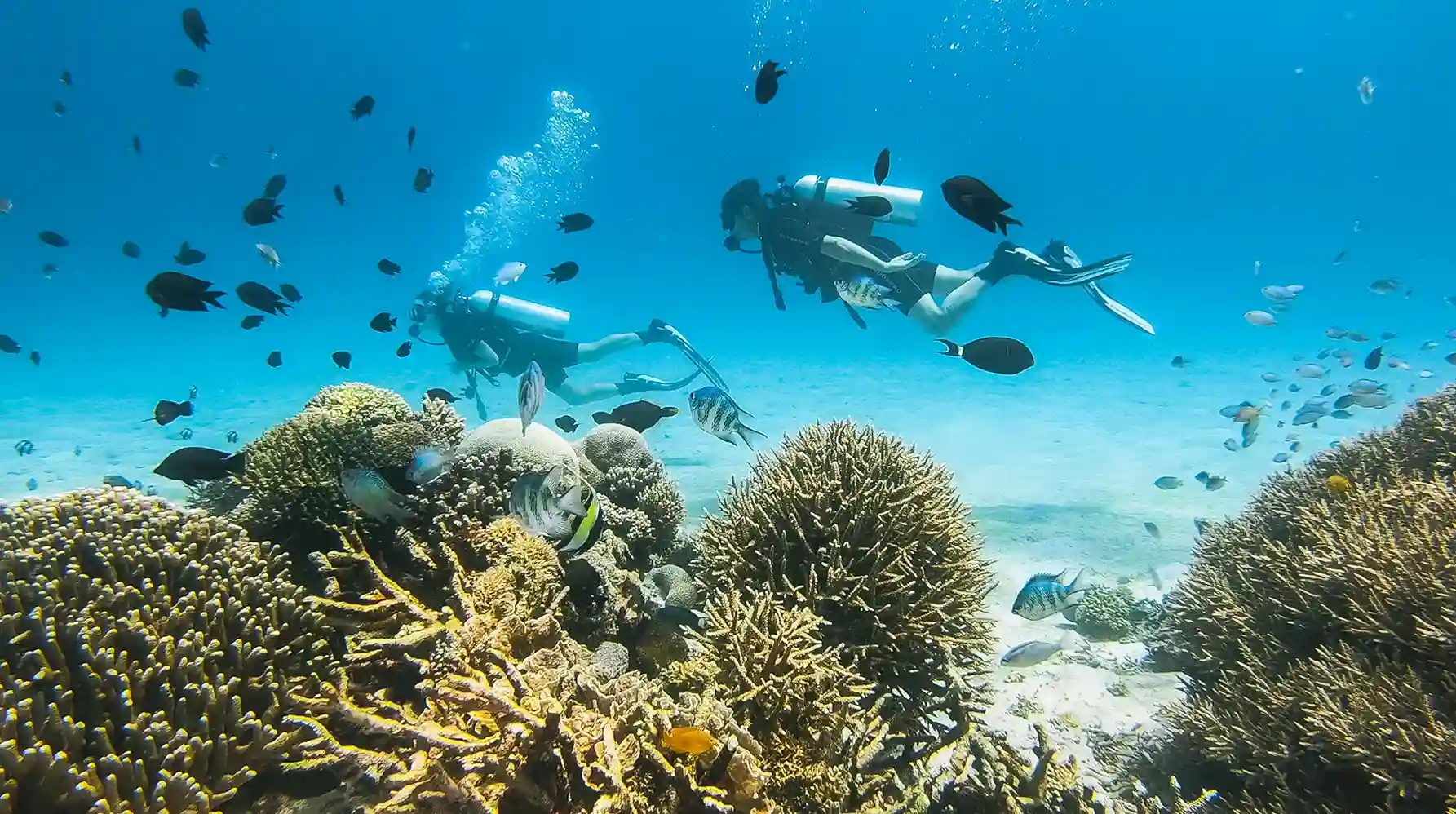
Bajo Marina is set to revolutionise the diving experience by 2027 with advancements in technology. The integration of innovative diving gear and future-oriented systems will enhance both the safety and enjoyment of divers exploring the aquatic wonders of this unique region. The organisation’s commitment to developing technology demonstrates a forward-thinking approach to marine exploration.
Innovative Diving Gear
The equipment available in 2027 will include eco-friendly materials designed to minimise environmental impact while maximising comfort and efficiency. This gear will not only enhance the diving experience but also support the conservation efforts crucial to preserving Bajo Marina’s rich marine biodiversity. The development of biodegradable wetsuits is a significant step forward, utilising materials that decompose naturally, reducing long-term waste in the oceans. Advanced buoyancy control devices will provide divers with greater stability and control, adapting to changing underwater conditions with precision. Next-generation rebreathers will offer improved oxygen efficiency, allowing divers to extend their time underwater while reducing the emission of carbon dioxide, thus minimising their ecological footprint.
- Biodegradable wetsuits: The use of innovative polymers that break down within a few years, compared to traditional neoprene which can take decades to decompose.
- Advanced buoyancy control devices: Incorporating smart technology to adjust buoyancy automatically, responding to pressure changes and diver movements.
- Next-generation rebreathers: Featuring enhanced oxygen sensors and recycling systems that increase dive duration while maintaining optimal air quality.
These innovations make diving in Bajo Marina not just more sustainable but also safer, with equipment tailored to the specific needs of the region’s unique underwater environment. The focus on sustainability ensures that the marine life and habitats remain undisturbed, promoting a harmonious coexistence between humans and nature.
Enhanced Underwater Communication
Communication technology will see significant upgrades by 2027, allowing divers to remain in constant contact with their teams and guides through improved underwater communication devices. These devices will use advanced acoustic and radio frequency technology, enabling clear transmission of voice and data even at significant depths. This advancement enhances safety and collaboration, providing a diving experience that is both secure and enriching. Divers will be equipped with headsets that integrate seamlessly with their diving masks, allowing for hands-free communication. This technology will facilitate better coordination during group dives, ensuring that all participants are aware of their surroundings and any potential hazards.
Future of Diving in Bajo Marina
The future of diving at Bajo Marina is bright, with ongoing innovations set to transform how enthusiasts interact with the underwater world. As technology progresses, the focus remains on sustainability and safety, ensuring that the beauty and health of marine life are preserved for future generations. The integration of artificial intelligence and machine learning into diving systems will enable real-time monitoring of environmental conditions, such as water temperature, salinity, and currents, providing divers with invaluable information to enhance their safety and enjoyment. Furthermore, the use of virtual reality technology will allow divers to plan and visualise their dives before entering the water, offering a preview of the underwater terrain and potential points of interest.
For more information on how to experience these innovations firsthand, you can explore the booking process at Bajo Marina. The platform provides detailed guidance on planning your diving adventure, including equipment rental options and available dive tours tailored to different skill levels.
2027 Note on Sustainable Practices
By 2027, sustainable practices are not merely an option but a necessity. Bajo Marina is committed to implementing environmentally friendly technologies and practices that protect marine ecosystems while providing divers with unforgettable experiences. Initiatives include partnerships with marine conservation organisations to conduct regular clean-up dives and educational programmes aimed at raising awareness of the importance of ocean conservation. The facility will also employ renewable energy sources, such as solar and wind power, to minimise its carbon footprint, demonstrating a holistic approach to sustainability.
To learn more about our commitment to sustainability, visit our dedicated page. Here, visitors can find information on ongoing conservation projects, participate in volunteer opportunities, and learn how to contribute to the protection of marine environments.
FAQ
What are the innovations in diving technology at Bajo Marina by 2027?
By 2027, Bajo Marina’s diving technology will feature eco-friendly diving gear and advanced communication systems, enhancing safety and enjoyment. Innovations include biodegradable wetsuits, advanced buoyancy control devices, and next-generation rebreathers, all designed to improve the diving experience while protecting the marine environment.
How will Bajo Marina’s future diving equipment improve safety?
Future diving equipment will include advanced buoyancy control devices and next-generation rebreathers, improving diver safety and comfort. These devices will provide better control and efficiency, allowing divers to navigate underwater environments with greater ease and confidence.
What role does sustainability play in Bajo Marina’s 2027 plans?
Sustainability is central to Bajo Marina’s plans, with a focus on eco-friendly gear and practices to protect marine life and ecosystems. The commitment to sustainability is reflected in the use of biodegradable materials, renewable energy sources, and partnerships with conservation organisations to ensure the long-term health of the oceans.
{"@context":"https://schema.org","@graph":[{"@type":"Article","headline":"Innovations in Bajo Marina Diving Technology by 2027","datePublished":"2026-07-17","mainEntityOfPage":"https://bajomarina.com/innovations-in-bajo-marina-diving-technology-by-2027/","speakable":{"@type":"SpeakableSpecification","cssSelector":[".x-aeo"]}}]}