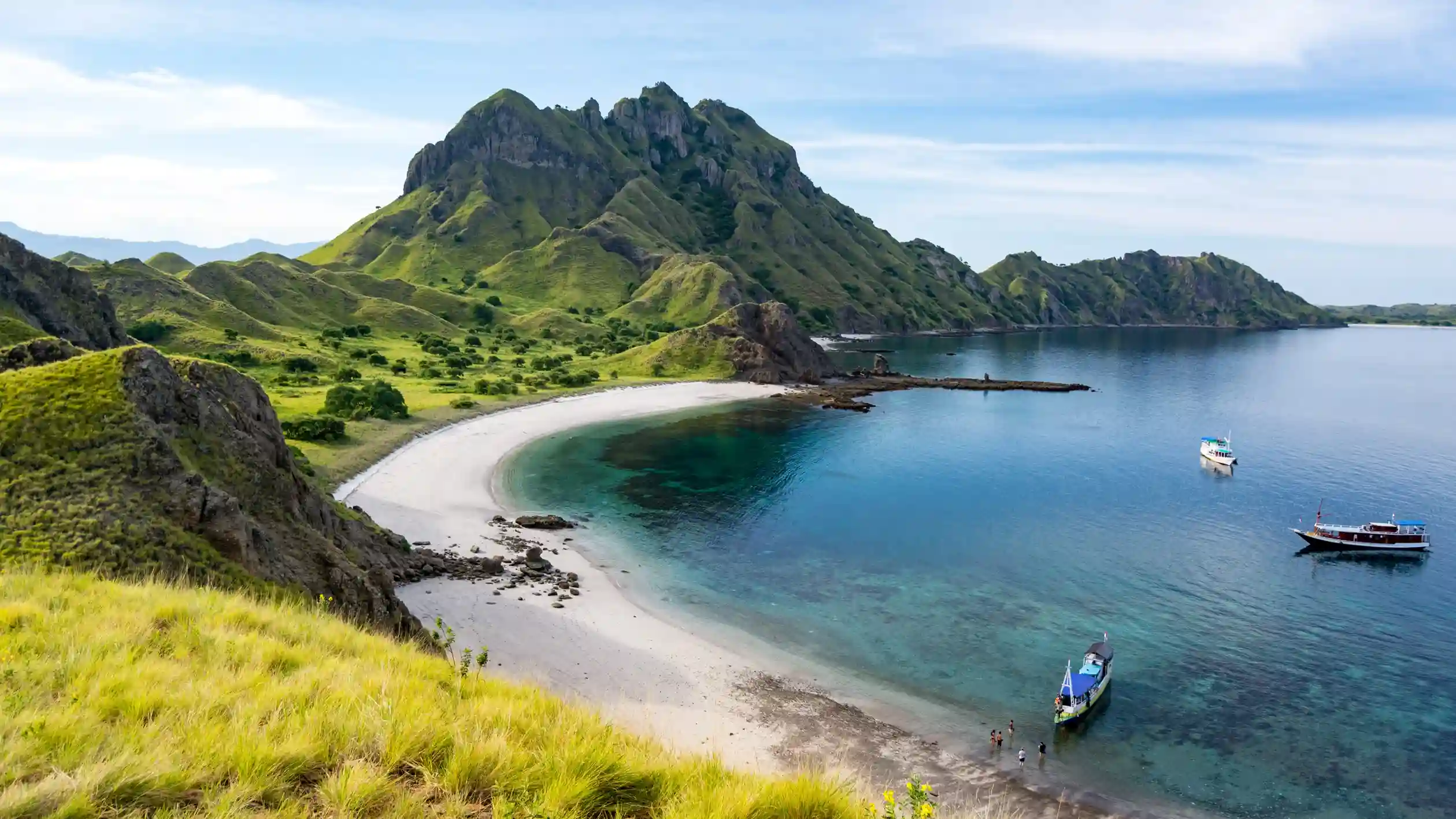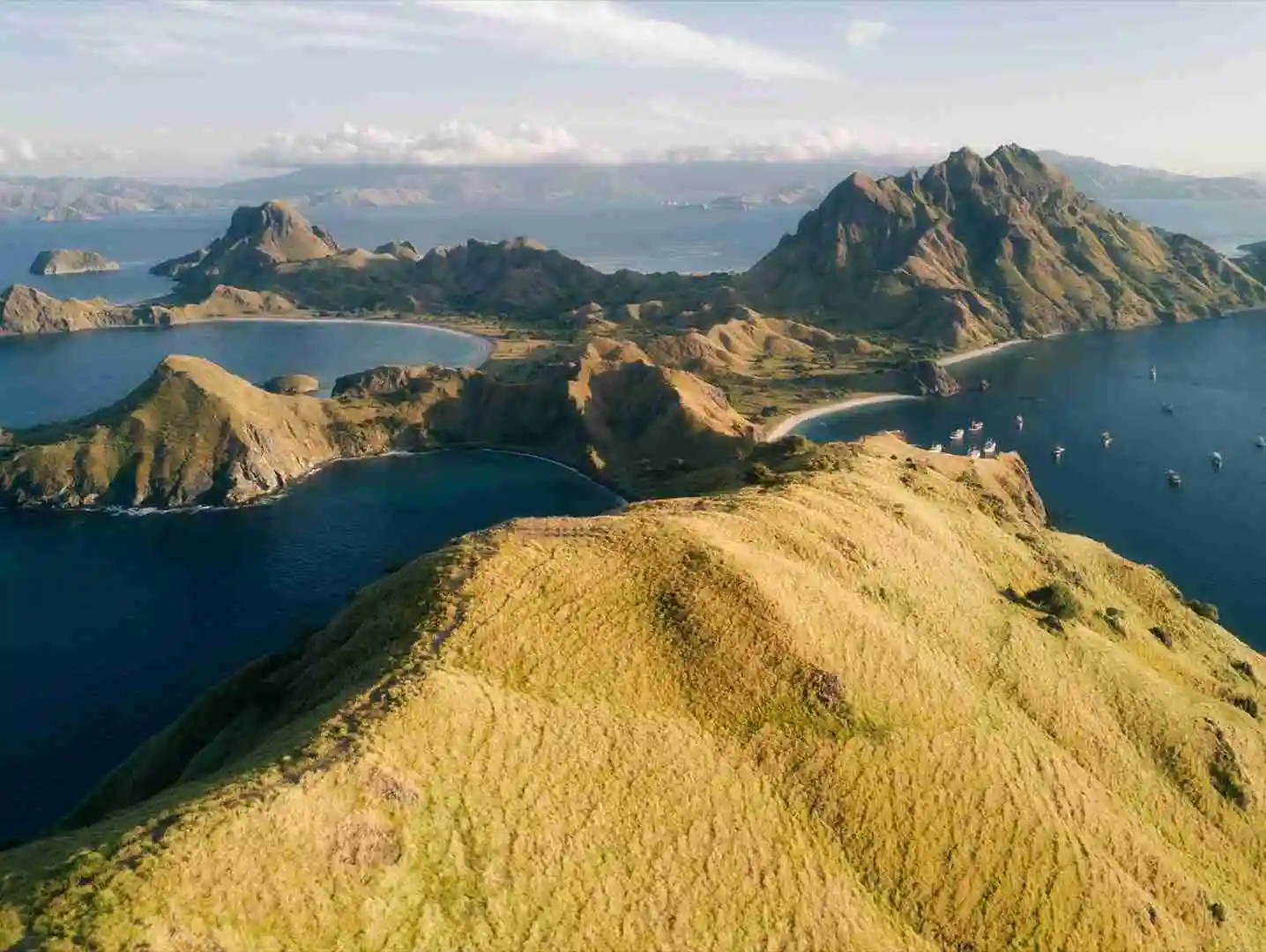
By 2027, Bajo Marina eco resorts are set to transform the future of eco-friendly travel, emphasizing sustainability and innovation in eco tourism.
Bajo Marina Eco Resorts 2027
Bajo Marina is poised to become a leader in sustainable tourism by 2027, setting a benchmark for eco-friendly resorts worldwide. With a commitment to preserving the natural environment and promoting sustainable practices, these resorts are not only redefining luxury but also ensuring a minimal ecological footprint. Located in key regions known for their natural beauty, such as coastal areas and national parks, Bajo Marina resorts aim to integrate seamlessly with their surroundings, offering guests an immersive experience in harmony with nature.
The resorts plan to achieve these goals by focusing on key areas such as energy efficiency, water conservation, and habitat preservation. Each resort will be equipped with state-of-the-art facilities designed to operate with minimal environmental disruption. Initiatives include the use of building materials sourced from sustainable suppliers, alongside architectural designs that maximise natural light and ventilation, reducing reliance on artificial heating and cooling systems.
Sustainable Practices at Bajo Marina
The sustainable resorts Bajo Marina are implementing advanced technologies and practices that reduce their environmental impact. These include:
- Utilizing renewable energy sources, such as solar and wind power. The resorts are projected to generate up to 70% of their energy needs from these sources, significantly reducing their carbon footprint.
- Implementing water conservation measures, including rainwater harvesting and greywater recycling. These systems are expected to reduce water usage by up to 50%, crucial in areas where water scarcity is a concern.
- Promoting biodiversity through local flora and fauna conservation projects. This involves collaborating with environmental scientists to monitor local ecosystems and implement measures that support native species.
The commitment to sustainability extends beyond energy and water to include waste management, with a strong focus on reducing, reusing, and recycling waste materials. Waste reduction strategies will include composting organic waste on-site and using biodegradable materials wherever possible. Moreover, the resorts aim to achieve a zero-waste status by 2027, partnering with local waste management services to ensure efficient recycling processes.
The Role of Technology in Eco Tourism
The future of eco tourism at Bajo Marina is heavily influenced by technological advancements. By 2027, these resorts will incorporate smart technology to enhance guest experience while maintaining eco-friendly practices. Innovations such as smart room controls, energy-efficient lighting systems, and digital concierge services are expected to become standard features, all designed to minimize energy consumption while maximizing guest comfort. Smart room controls will allow guests to adjust lighting, temperature, and other amenities via a centralised app, promoting energy conservation by automatically adjusting settings when rooms are unoccupied.
Energy-efficient lighting systems, such as LED technology, will be used throughout the resorts, reducing energy consumption by up to 75% compared to conventional lighting. Additionally, digital concierge services will provide guests with real-time information on local attractions, transportation options, and sustainability initiatives, enhancing the overall guest experience.
Community Engagement and Cultural Integration
Engagement with the local community is a cornerstone of Bajo Marina’s approach. By 2027, these resorts aim to foster stronger ties with local communities through cultural exchange programs and local employment opportunities. This not only supports the local economy but also enriches the guest experience by providing authentic cultural interactions. The resorts plan to host regular cultural events and workshops, featuring traditional crafts, music, and dance, allowing guests to gain a deeper understanding of local heritage.
Furthermore, Bajo Marina is committed to sourcing goods and services locally, which helps in reducing the carbon footprint associated with transportation while supporting local businesses. Employment opportunities will prioritise local residents, with training programs designed to equip them with the skills needed for sustainable tourism operations.
For more information on how Bajo Marina integrates community engagement, visit our main site.
2027 Note: Future-Proofing for Generations
As we look towards 2027, the emphasis on future-proofing Bajo Marina eco resorts is evident. This involves continuous investment in sustainable infrastructure and ongoing research into environmental practices. By committing to these goals, Bajo Marina ensures that future generations can enjoy the natural beauty of these locations without compromising the planet’s health. The resorts are investing in research collaborations with universities and environmental organisations to stay at the forefront of eco-friendly innovations.
For insights on the booking process and how it aligns with our eco-friendly ethos, explore our booking process page.
FAQ
What does the future hold for eco-friendly resorts at Bajo Marina by 2027?
Bajo Marina eco resorts will focus on sustainability and innovation, enhancing guest experiences while preserving the environment. The resorts will implement comprehensive strategies to reduce their carbon footprint, conserve water, and promote biodiversity.
How will technology influence Bajo Marina eco resorts?
By 2027, technology will play a vital role in reducing energy consumption and enhancing guest experiences through smart systems. These systems will provide personalised guest services while ensuring efficient resource use.
What community initiatives are planned for Bajo Marina?
Community engagement through cultural programs and local employment will be key to Bajo Marina’s sustainability strategy by 2027. The resorts will actively collaborate with local communities to promote cultural heritage and economic development.
{"@context":"https://schema.org","@graph":[{"@type":"Article","headline":"Bajo Marina Eco Resorts 2027: The Future of Eco-Friendly Travel","datePublished":"2026-07-17","mainEntityOfPage":"https://bajomarina.com/bajo-marina-eco-resorts-2027-the-future-of-eco-friendly-travel/","speakable":{"@type":"SpeakableSpecification","cssSelector":[".x-aeo"]}},{"@type":"FAQPage","mainEntity":[{"@type":"Question","name":"What does the future hold for eco-friendly resorts at Bajo Marina by 2027?","acceptedAnswer":{"@type":"Answer","text":"Bajo Marina eco resorts will focus on sustainability and innovation, enhancing guest experiences while preserving the environment."}},{"@type":"Question","name":"How will technology influence Bajo Marina eco resorts?","acceptedAnswer":{"@type":"Answer","text":"By 2027, technology will play a vital role in reducing energy consumption and enhancing guest experiences through smart systems."}},{"@type":"Question","name":"What community initiatives are planned for Bajo Marina?","acceptedAnswer":{"@type":"Answer","text":"Community engagement through cultural programs and local employment will be key to Bajo Marina's sustainability strategy by 2027."}}]}]}