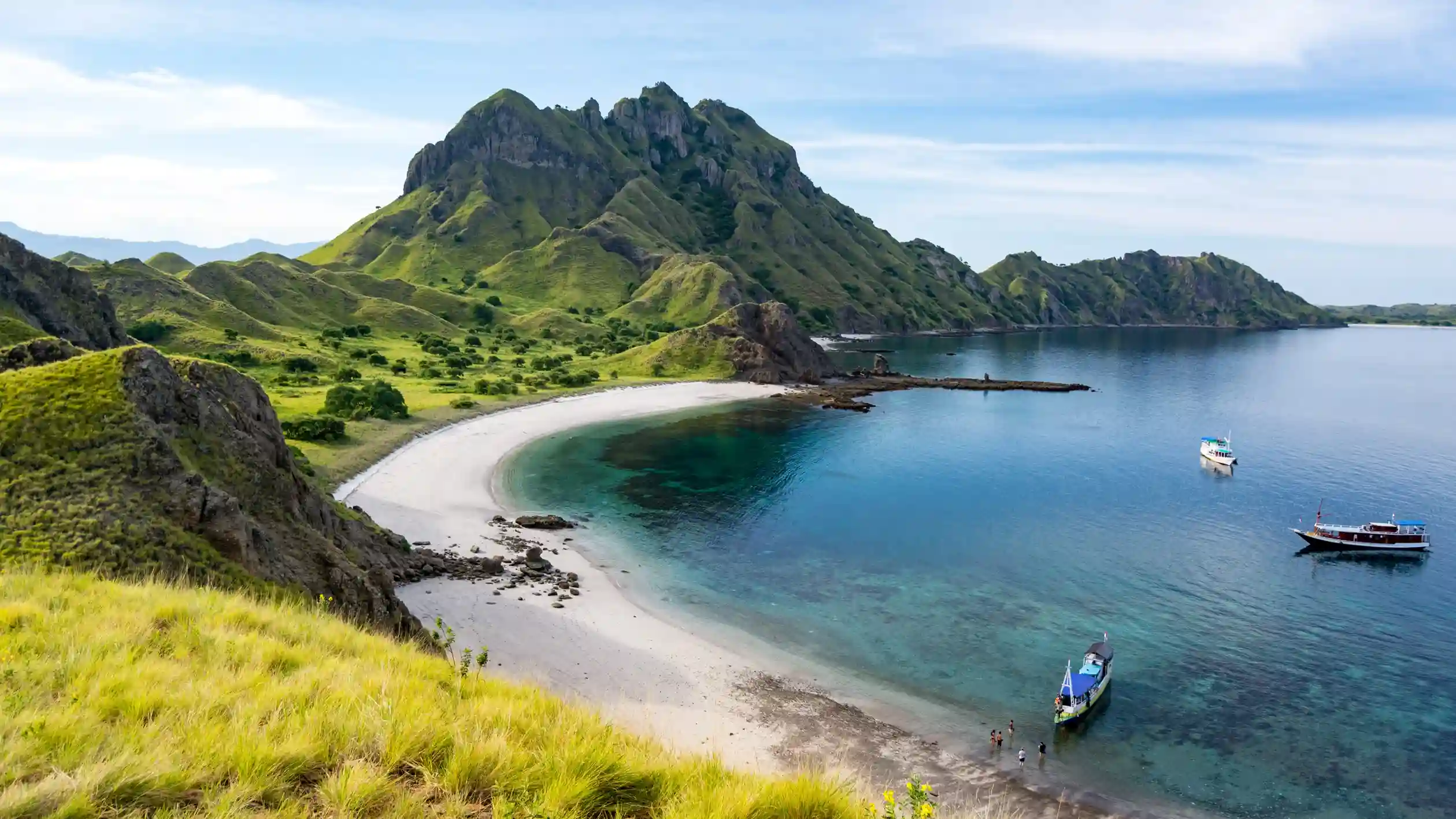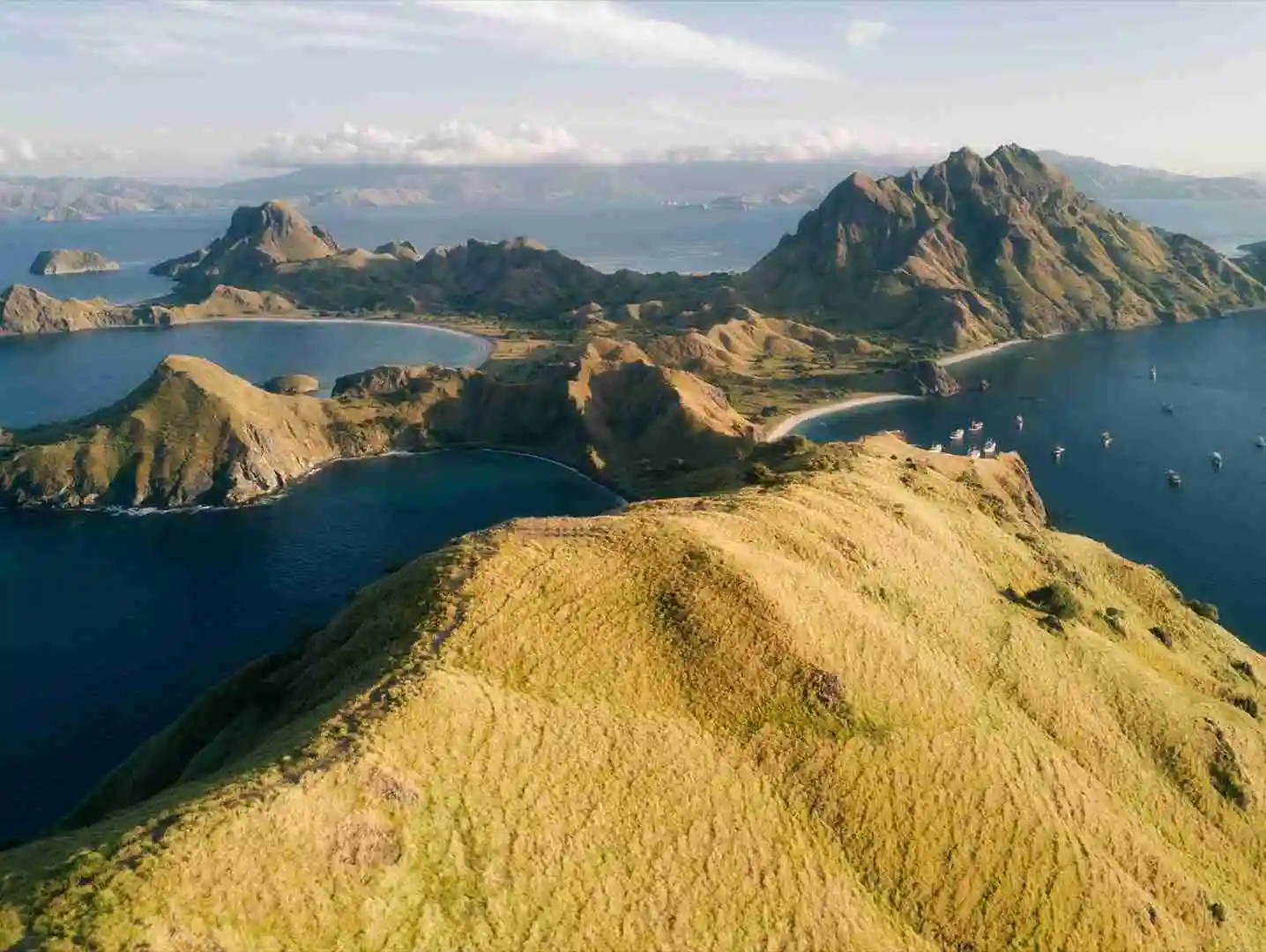
The rhythmic lapping of water against hulls defines the approach to Bajo Marina, a constant hum against the backdrop of Flores Island’s arid hills. The air carries the scent of salt and diesel, a familiar perfume for those who navigate the Indonesian archipelago. This is the operational core for marine tourism in East Nusa Tenggara, a strategic point for voyages into one of the world’s most significant ecological preserves.
Understanding the Seasonal Rhythms of Bajo Marina
The operational efficiency of Bajo Marina and the viability of voyages into Komodo National Park are intrinsically linked to the regional climate patterns. The dry season, spanning from April through November, represents the most favorable period for marine activities. During these months, the prevailing weather conditions are characterized by minimal rainfall, consistent sunshine, and generally calm seas, offering optimal visibility and comfort for yacht and liveaboard travelers. This predictability is crucial for adherence to departure schedules for the 54 km sea journey to Komodo National Park, which typically takes around 2.5 hours by ferry. Labuan Bajo, situated on the western tip of Flores Island at approximately 8.4961°S 119.8877°E, functions as the primary gateway port for these boat tours. The harbor at Labuan Bajo supports regular daily boat departures to nearby islands within Komodo National Park during this main tourist season. Conversely, the wet season, from December to March, brings increased rainfall and can introduce more challenging sea states, potentially leading to disruptions in travel plans and a reduction in the frequency of scheduled departures. Understanding this seasonal cadence is fundamental for planning any marine expedition from this critical hub.
Dry Season Advantages for Berthing and Transit
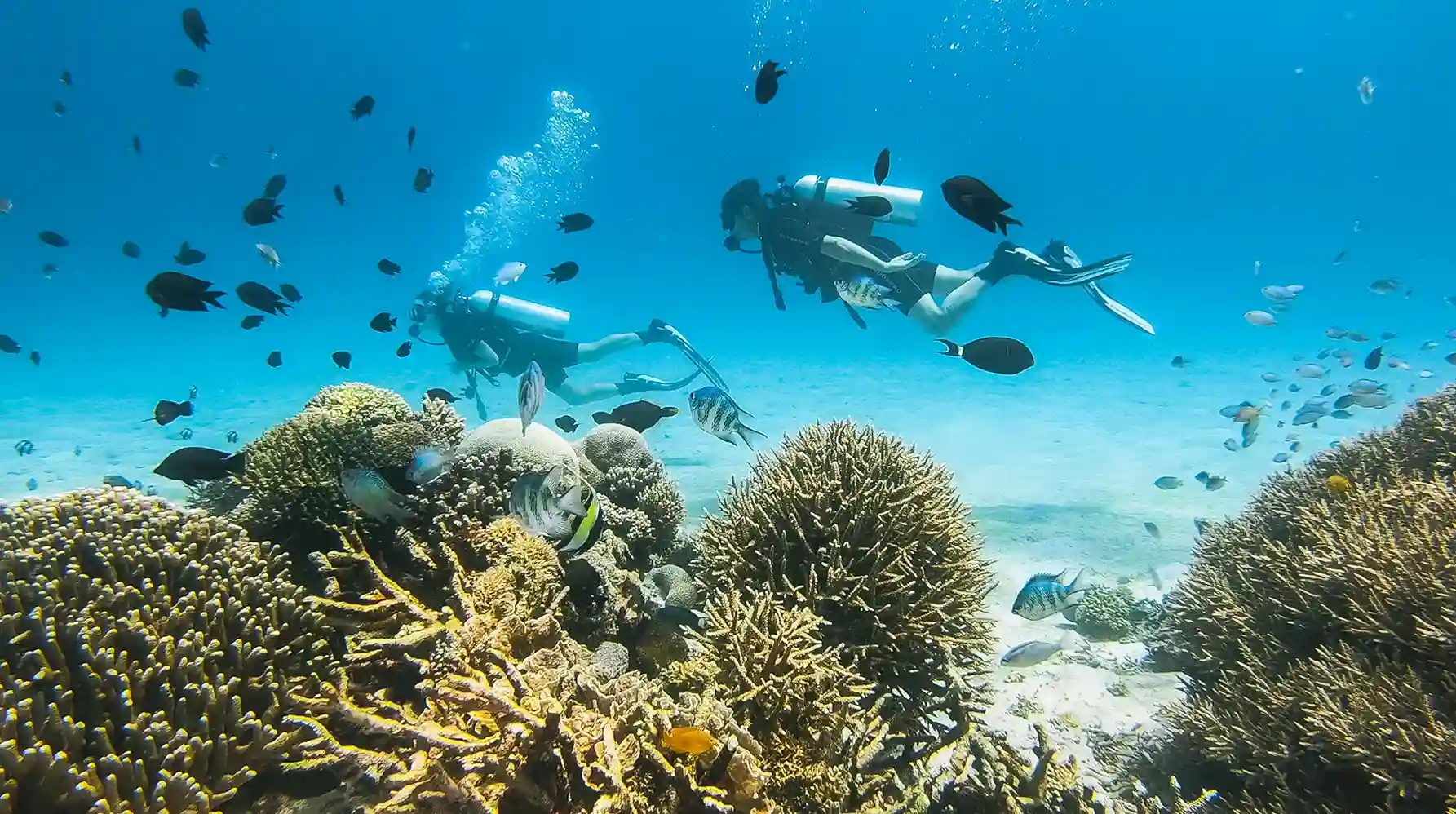
Within the dry season, specific months often present peak conditions. May to October typically offer the most stable weather, with average wind speeds remaining low and wave heights manageable for diverse vessel types, from private yachts to traditional phinisis. This stability is paramount for safe berthing operations at Bajo Marina, ensuring smooth maneuvers for vessels docking or taking on provisions. The increased demand during these months also means that advance booking for berths and moorings is advisable, particularly for larger yachts and liveaboards. Komodo National Park, established in 1980 and designated a UNESCO World Heritage Site in 1991, sees its highest visitor numbers during this period, directly impacting the operational tempo of Labuan Bajo. The clear skies and calmer waters enhance the experience of understanding the archipelago, providing ideal conditions for snorkeling, diving, and island excursions within the park. The consistent weather also minimizes the risk of delays or cancellations, a critical factor for travelers with fixed itineraries.
Wet Season Considerations and Operational Adjustments
While the dry season is optimal, the wet season from December to March is not without its own characteristics, requiring careful planning. During these months, the monsoon rains can be heavy, and sea conditions may become rougher, particularly in exposed channels. While Bajo Marina remains operational year-round, the frequency of departures to Komodo National Park, about 54 km by sea, may decrease, and certain routes might be temporarily suspended due to adverse weather. East Nusa Tenggara Province, where Labuan Bajo is located, was officially formed on 14 August 1958, and local maritime authorities are vigilant in issuing warnings and restrictions when necessary. Yacht and liveaboard operators must monitor local weather forecasts diligently and maintain flexible itineraries. Berthing at Bajo Marina during the wet season offers sheltered refuge, but access to and from the marina itself can be affected by localized downpours. Visibility for navigation can also be reduced, demanding heightened caution from captains. Those planning visits during this period often find fewer crowds, but this comes with the trade-off of less predictable weather and potentially limited access to certain park areas.
Tidal Influences and Daily Logistics at Bajo Marina
Beyond seasonal patterns, daily tidal cycles play a significant role in marine operations at Bajo Marina. The tidal range in Labuan Bajo, located at approximately 8.4961°S 119.8877°E, can influence berthing accessibility, particularly for vessels with deeper drafts or those relying on specific tide windows for entering or exiting certain channels within Komodo National Park. Understanding the local tide tables is essential for efficient departure logistics and safe navigation. The harbor at Labuan Bajo supports regular daily boat departures to nearby islands within Komodo National Park during the main tourist season, and these schedules are often adjusted to account for tidal variations. Phinisi and yacht captains routinely integrate tidal predictions into their pre-departure briefings. Furthermore, the timing of provisioning and refueling operations at the marina can be optimized by considering tidal flows, which may affect the ease of approach for supply vessels. Effective coastal planning in Flores Island, where Labuan Bajo is situated, consistently incorporates these tidal dynamics into infrastructure development and marine tourism management.
Komodo National Park Access and Marina Gateway Expectations
Bajo Marina serves as the crucial staging point for all marine access into Komodo National Park. The park, established in 1980 and designated a UNESCO World Heritage Site in 1991, is approximately 54 km by sea from Labuan Bajo. This proximity dictates the marina’s role as the primary gateway port. Vessels departing from Bajo Marina undergo necessary administrative checks and passenger briefings before proceeding. During the peak dry season, the marina experiences a high volume of traffic, with numerous vessels, from small local boats to luxury yachts, preparing for their journeys. This necessitates efficient management of berthing assignments and departure queues. Labuan Bajo, on the western tip of Flores Island, is a rapidly developing marine tourism hub, and its infrastructure, including Bajo Marina, is designed to facilitate this flow. Understanding the operational rhythm of the marina – the early morning departures, the mid-day arrivals, and the late afternoon preparations – is key for a smooth experience. East Nusa Tenggara Province, officially formed on 14 August 1958, continues to invest in the marine tourism infrastructure of this region.
Regional Development and Future Outlook for Marine Operations
The ongoing development of Labuan Bajo as a “super priority” tourism destination by the Indonesian government directly impacts the services and infrastructure available at Bajo Marina. Investments in marine tourism infrastructure and Flores Island coastal planning are enhancing the capacity for yacht and liveaboard berthing. This includes improvements to dock facilities, fuel availability, and waste management services, all critical for long-term marine operations. The strategic location of Labuan Bajo at 8.4961°S 119.8877°E, as the primary gateway to Komodo National Park, reinforces its importance. Labuan Bajo‘s growth reflects a broader commitment to sustainable marine tourism in East Nusa Tenggara Province, officially formed on 14 August 1958. Future expansions are anticipated to further streamline departure logistics for Komodo National Park cruises and accommodate an increasing number of vessels. This forward-looking approach ensures that Bajo Marina will remain a pivotal point for marine access to the park for years to come. For more information on the region, consult Wikidata or Wikipedia on Flores.
For detailed information on current berthing availability, services, and real-time operational updates for your next Komodo National Park voyage, consult the official Bajo Marina resources at bajomarina.com.