- Vessel Type: Costs vary between traditional Phinisi schooners ($4,000-$7,000 pp) and modern expedition yachts ($8,000+ pp).
- Itinerary & Duration: A standard 6-night Komodo expedition differs in price from a 12-night Raja Ampat relocation voyage.
- Inclusions: All-inclusive rates that cover gourmet dining, diving, and private guides command a premium over standard packages.
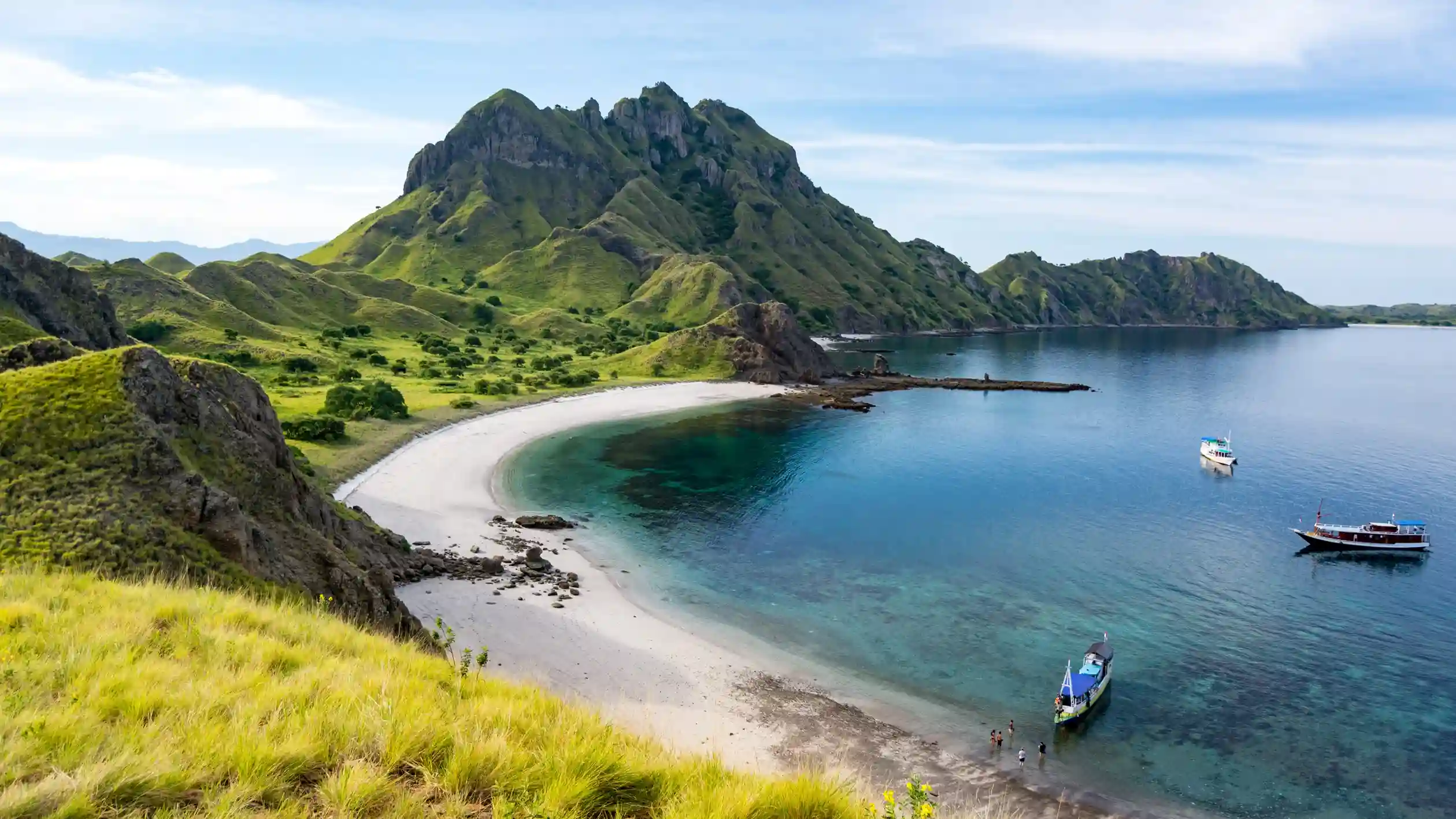
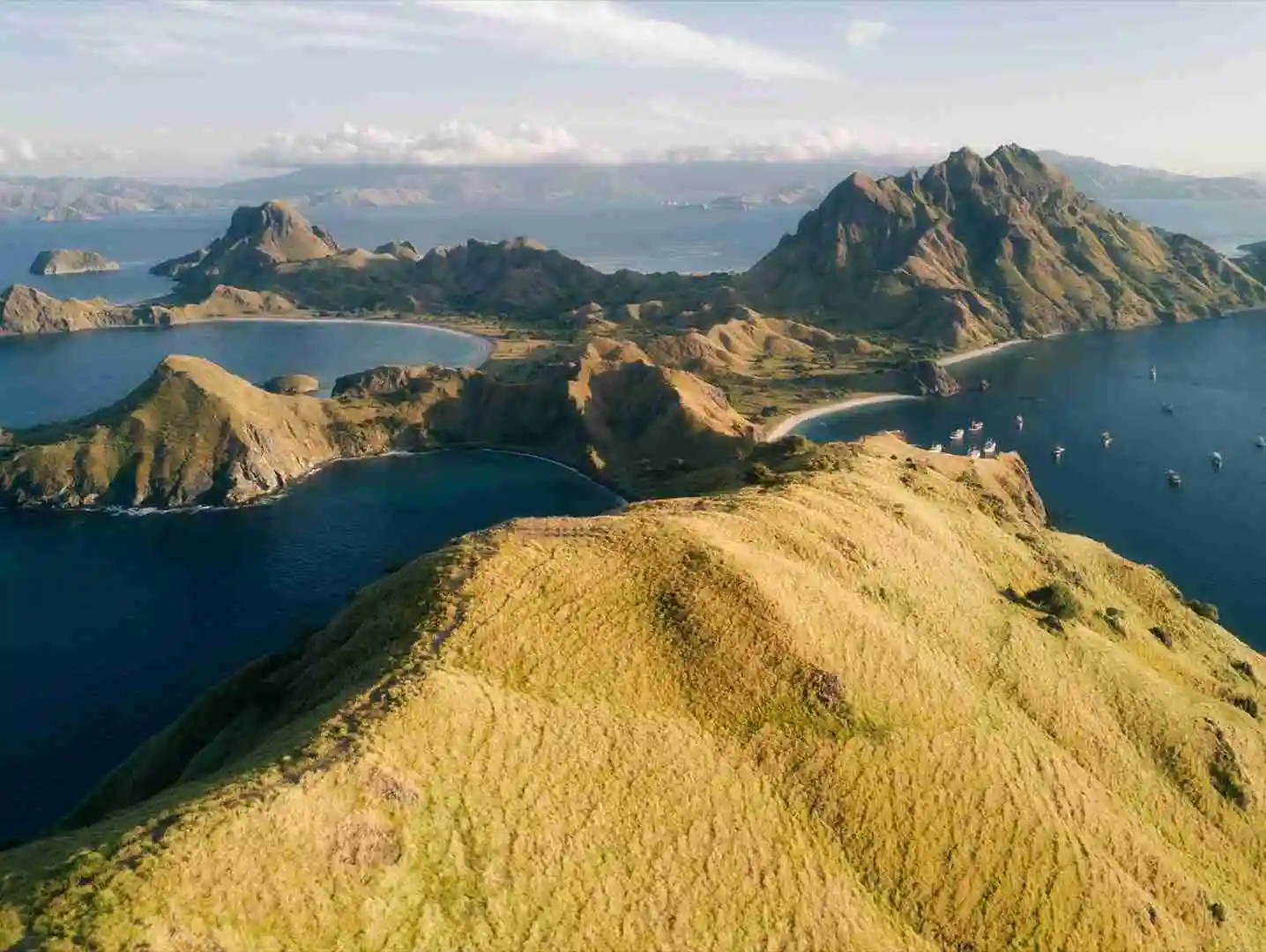
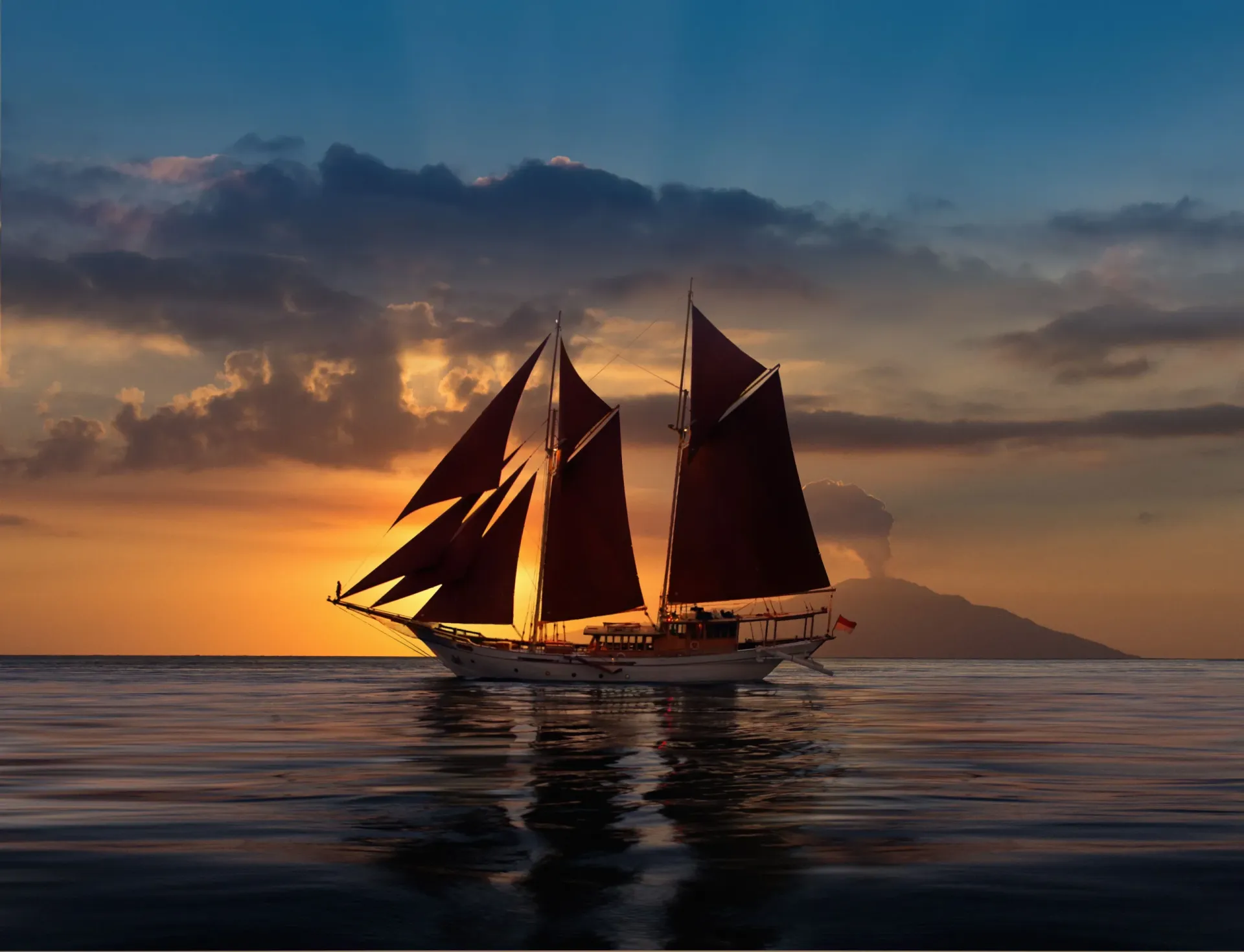
The first thing you notice is the scent—a complex perfume of saltwater, clove, and sun-baked teak. You’re standing on the deck of a hand-built Phinisi schooner, a vessel whose lineage traces back centuries, yet it is equipped with every conceivable modern luxury. A white-jacketed steward offers a chilled glass of lemongrass iced tea as the boat silently glides out of Labuan Bajo’s harbor. Ahead, the jagged, dragon-backed islands of the Komodo archipelago rise from a turquoise sea. This is not merely a vacation; it is an immersion. And for the discerning traveler, the primary question is not if one should experience this, but what is the real investment required for such an unparalleled journey. The answer, I’ve found after years of covering this remote corner of Indonesia, is as nuanced as the currents swirling through the Lintah Strait.
Deconstructing the Price Tag: What Are You Actually Paying For?
When you evaluate the luxury bajo marina cruise cost, it’s a common mistake to simply compare boat prices. The figure on the invoice is an aggregate of craftsmanship, expertise, and exclusive access. The vessel itself is the most visible component. A top-tier, 30-meter Phinisi can take over 24 months to build, using ironwood and teak sourced from Sulawesi and Kalimantan, with a construction cost easily exceeding $2.5 million. Annual maintenance, including a mandatory dry-dock period for scraping the hull and servicing the engines, can run upwards of $150,000. This is the baseline cost of keeping these floating boutique hotels in pristine condition.
Then there is the human element, which in the luxury sphere, is paramount. The crew-to-guest ratio on these charters is often an astonishing 1:1 or even higher. Your crew isn’t just a handful of sailors; it’s a highly specialized team. This includes a seasoned captain who has navigated these treacherous, current-rich waters for decades, a certified PADI Divemaster who knows the secret entry points to world-class sites like Batu Bolong, a private chef trained in both international and Indonesian cuisine, and a cruise director who orchestrates the entire experience. According to Jean-Pierre van der Huff, a charter specialist I spoke with in Bali, “The quality of the cruise director can elevate a trip from great to life-changing. They are the conductors of the orchestra.” Finally, the price reflects access. This includes all national park fees, which for the UNESCO World Heritage site of Komodo National Park, can total over $150 per person per day. It also covers the significant fuel costs—a yacht can burn through 100 liters per hour—and the carefully guarded mooring permits for serene, private coves away from the day-tripper crowds.
The Spectrum of Luxury: From Boutique Phinisi to Superyacht Expeditions
The term “luxury” in Bajo Marina is not monolithic. It represents a spectrum of experiences, each with a corresponding price point. At one end, you have the boutique Phinisi schooners. These are typically vessels with 5 to 7 cabins, accommodating 10 to 14 guests. They champion authenticity and intimacy. A 7-day, 6-night journey on a highly-regarded Phinisi like the *Sequoia* or *Dunia Baru* might range from $5,000 to $8,000 per person for a cabin on a scheduled trip. The experience is defined by polished wood, hand-woven textiles, and a deep connection to Indonesia’s maritime heritage. The entire vessel can often be chartered privately for a group, with weekly rates starting around $60,000.
Moving up the scale, we find the modern expedition yachts. Vessels like the *Aqua Blu* or *Rascal* represent a different philosophy. These are often steel-hulled, built for stability and range, and feature amenities you’d expect in a five-star hotel: expansive sun decks, dedicated spa facilities, air-conditioned salons with state-of-the-art entertainment systems, and sometimes even a Jacuzzi. Their price reflects these amenities and a higher level of service, often starting at $9,000 per person for a week-long expedition. These yachts can cover more ground, enabling itineraries that might combine the Komodo region with more distant islands. A full private charter for a vessel of this class can easily exceed $90,000 per week plus expenses.
At the apex of the market are the true superyacht charters, where the sky is the limit. Here, the luxury bajo marina cruise cost is a secondary concern to complete personalization. These are often globally-roaming yachts that reposition to Indonesia for the season, and a weekly charter can cost anywhere from $150,000 to over $500,000. For this, you get unparalleled privacy, a crew that anticipates every need, and an itinerary built entirely from scratch. You can find more detail on what to expect from the region in our definitive guide to Bajo Marina, which breaks down the geography and key attractions.
Itinerary Inclusions and Exclusions: Reading the Fine Print
Understanding what is—and what is not—included is critical to accurately forecasting your total trip cost. A reputable luxury operator will be transparent, but the onus is on the traveler to read the details. Typically, the advertised price for a high-end Bajo Marina cruise includes all onboard accommodation, gourmet meals (breakfast, lunch, dinner, and snacks), and a selection of non-alcoholic beverages, local beers, and sometimes house wines. Also standard are the services of the crew and guided land excursions, such as the iconic trek to the viewpoint on Padar Island or the guided walk to see Komodo dragons on Rinca Island. Use of onboard water sports equipment like sea kayaks, stand-up paddleboards, and snorkeling gear is almost always complimentary.
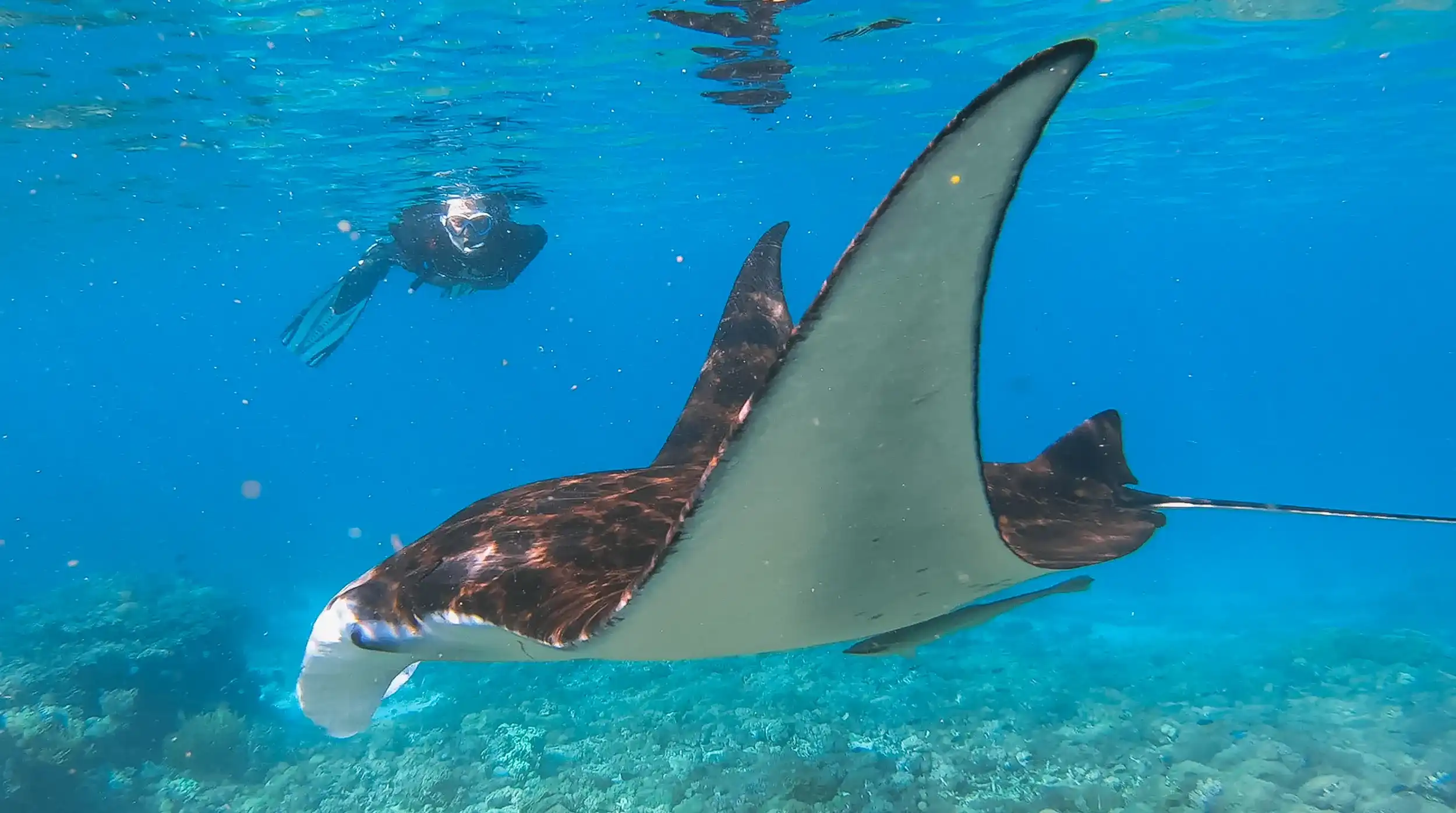
However, several significant costs are often supplementary. Scuba diving is the most common. While some ultra-luxe charters include unlimited diving, most offer it as an add-on package. Expect to pay between $150 and $250 per day for a package that includes two or three dives, equipment rental, and the services of a divemaster. PADI certification courses are always an additional charge. Premium alcoholic beverages are another key exclusion. While a Bintang beer might be included, a bottle of Veuve Clicquot or a 12-year-old Macallan will be billed to your cabin. Crew gratuity is another major consideration. The industry standard is 10-15% of the charter fee, paid at the end of the trip. On a $70,000 charter, this can amount to an additional $7,000-$10,500. Finally, be sure to clarify if the national park and port fees are bundled into the price or will be listed as a separate line item. For a detailed breakdown of potential expenses, budgeting for your trip is an essential step in the planning process.
The ‘When’ Factor: How Seasonality Affects Your Cruise Cost
The timing of your journey has a substantial impact on the price and experience. The Komodo National Park has a distinct dry and wet season, which dictates the operational calendar for the entire luxury fleet. The peak season runs from April through September. This is the dry season, offering calm seas, clear skies, and ideal conditions for both sailing and diving. Visibility underwater can exceed 30 meters. Consequently, this is when demand is highest, and prices are at their peak. For the most sought-after yachts, you need to book 12 to 18 months in advance for these prime dates, and you will be paying the full rack rate. There is virtually no room for negotiation.
The shoulder seasons—October to early December and the month of March—are, in my opinion, the savviest times to travel. The weather is still generally excellent, with only occasional rain showers, and the tourist numbers begin to thin. While you won’t see dramatic discounts on the top-tier vessels, you may find more availability and perhaps a 10-15% reduction in charter fees from some operators looking to fill their calendars. The low season, from January to February, is the heart of the monsoon. The seas can be rough, and rain is a daily occurrence. Many of the premier yachts use this period for their annual dry-docking and maintenance. However, for the adventurous and budget-conscious traveler, the few boats that do operate may offer discounts of up to 40%. It’s a trade-off: you might save a significant amount, but your itinerary could be compromised by the weather, and some dive sites may be inaccessible.
Beyond the Boat: Ancillary Costs of a Bajo Marina Journey
The cruise itself is the centerpiece, but it’s not the entirety of your travel budget. A complete financial picture must include the ancillary costs required to get you to the gangway and back home. The primary gateway to the Komodo region is Labuan Bajo’s Komodo Airport (LBJ). International travelers will first need to fly into a major Indonesian hub like Jakarta (CGK) or, more commonly, Bali (DPS). From Bali, it’s a short but separate 60-minute flight to Labuan Bajo. Round-trip flights on carriers like Garuda Indonesia or Batik Air can range from $150 to $400, depending on the season and how far in advance you book.
Most cruise itineraries require you to arrive in Labuan Bajo the day before embarkation, necessitating at least one night’s accommodation. The town has seen a recent boom in luxury hotels, with properties like the AYANA Komodo Waecicu Beach and Sudamala Resort, Seraya offering rooms that can range from $300 to over $700 per night. Many travelers also choose to spend a night or two after the cruise to decompress. Comprehensive travel insurance is non-negotiable. For a remote-destination trip involving activities like scuba diving, a robust policy that includes emergency medical evacuation is essential. Expect this to cost between 5% and 8% of your total, non-refundable trip expenses. Finally, factor in personal spending for souvenirs, meals on land before or after your cruise, and any additional activities. As the official tourism portal, indonesia.travel, often highlights, the region offers unique crafts and experiences worth exploring on land as well.
Quick FAQ on Luxury Bajo Marina Cruise Costs
Is it cheaper to book a private charter or an individual cabin?
On a per-person basis, booking a cabin on a scheduled departure is almost always the more economical option. A private charter provides the ultimate in flexibility and privacy but at a premium. For example, a cabin might cost $7,000 per person, while chartering that same 12-person vessel would be $84,000 for the week. The charter only becomes cost-effective if you can fill every cabin.
Are “all-inclusive” packages truly all-inclusive?
The term is used loosely in the industry. A high-quality package will include all meals, snacks, non-alcoholic drinks, and a good selection of beer and wine. However, it’s rare for them to include premium spirits, champagne, crew gratuities, or specialized activities like a private yoga instructor or PADI dive courses. Always request a detailed list of inclusions and exclusions before booking.
How much are the Komodo National Park fees?
As of late 2023, the fee structure is a matrix of charges including entrance, conservation, ranger services, snorkeling, and diving permits. A safe estimate is between $100 and $150 USD per person, per day spent inside the park boundaries. These fees are set by the government and are subject to change, sometimes with little notice.
Can I negotiate the price of a luxury cruise?
Direct haggling is not common practice, especially with top-tier operators during peak season. However, value can be found by working with an experienced travel agent who has established relationships, booking during a shoulder season, or asking about special repositioning cruises between Komodo and Raja Ampat, which can sometimes be offered at a reduced per-diem rate.
Ultimately, the cost of a luxury cruise in Bajo Marina is an investment in an experience that is increasingly rare in our hyper-connected world: true disconnection, profound natural beauty, and impeccable, personalized service. It is a journey back in time aboard a vessel that is a work of art, sailing through a landscape of prehistoric wonder. For those ready to explore the pinnacle of Indonesian seafaring, the fleet curated by Bajo Marina represents the very best of the region. We encourage you to begin charting your own course by exploring our comprehensive Bajo Marina guide.