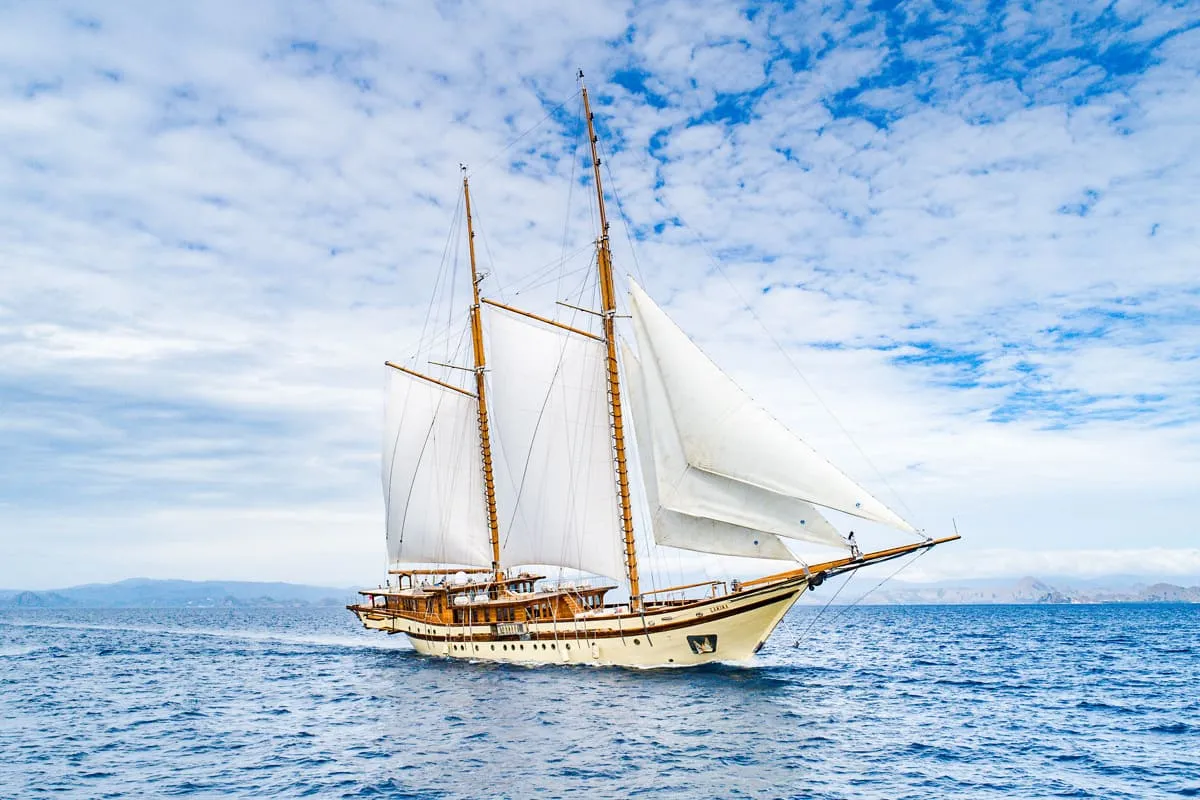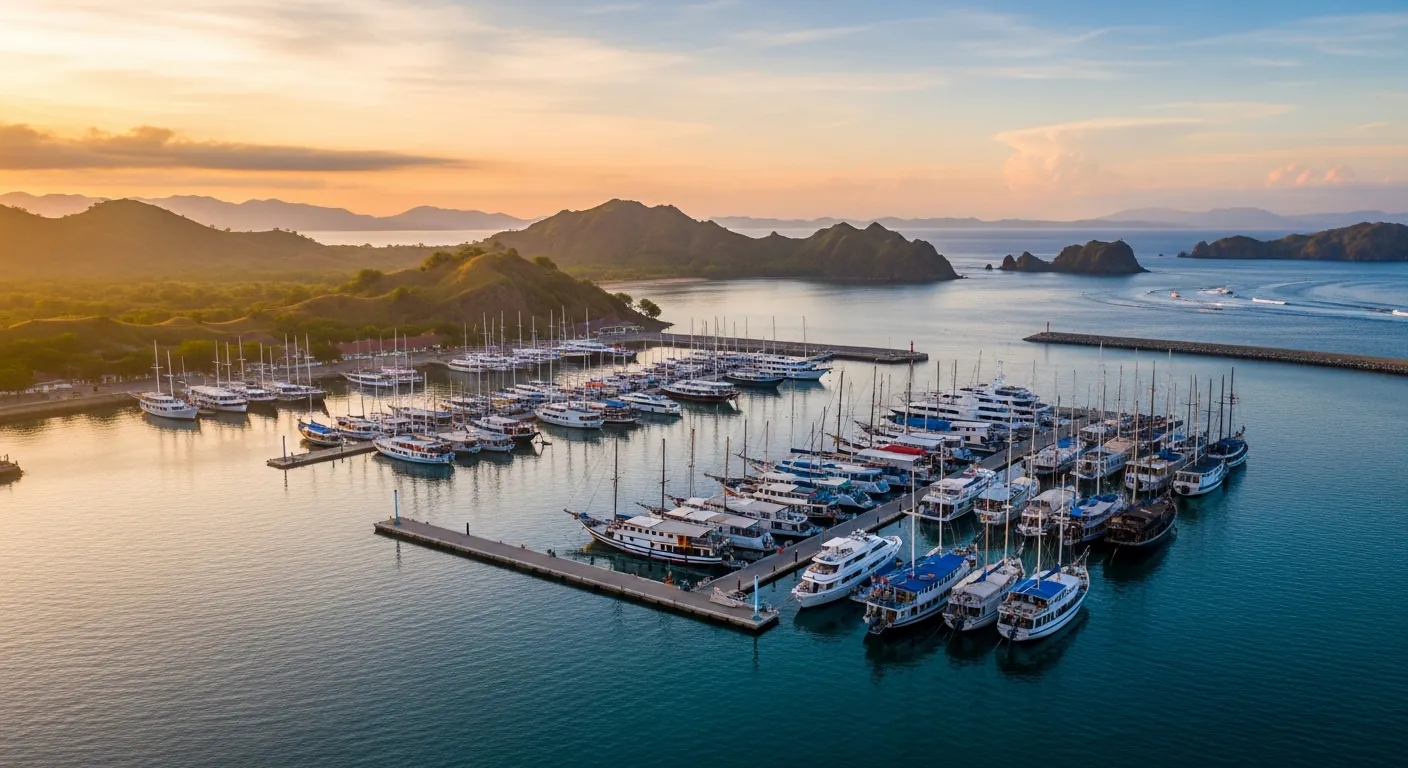
Planning your nautical journey to Komodo National Park requires a precise understanding of seasonal dynamics. Labuan Bajo, situated on the western tip of Flores Island in East Nusa Tenggara, Indonesia, at approximately 8.4961°S 119.8877°E, functions as the essential departure point for this iconic Indonesian destination. The marina serves as more than just a docking facility; it is the strategic hub from which voyages into the archipelago commence.
Understanding the Seasons: Dry vs. Wet
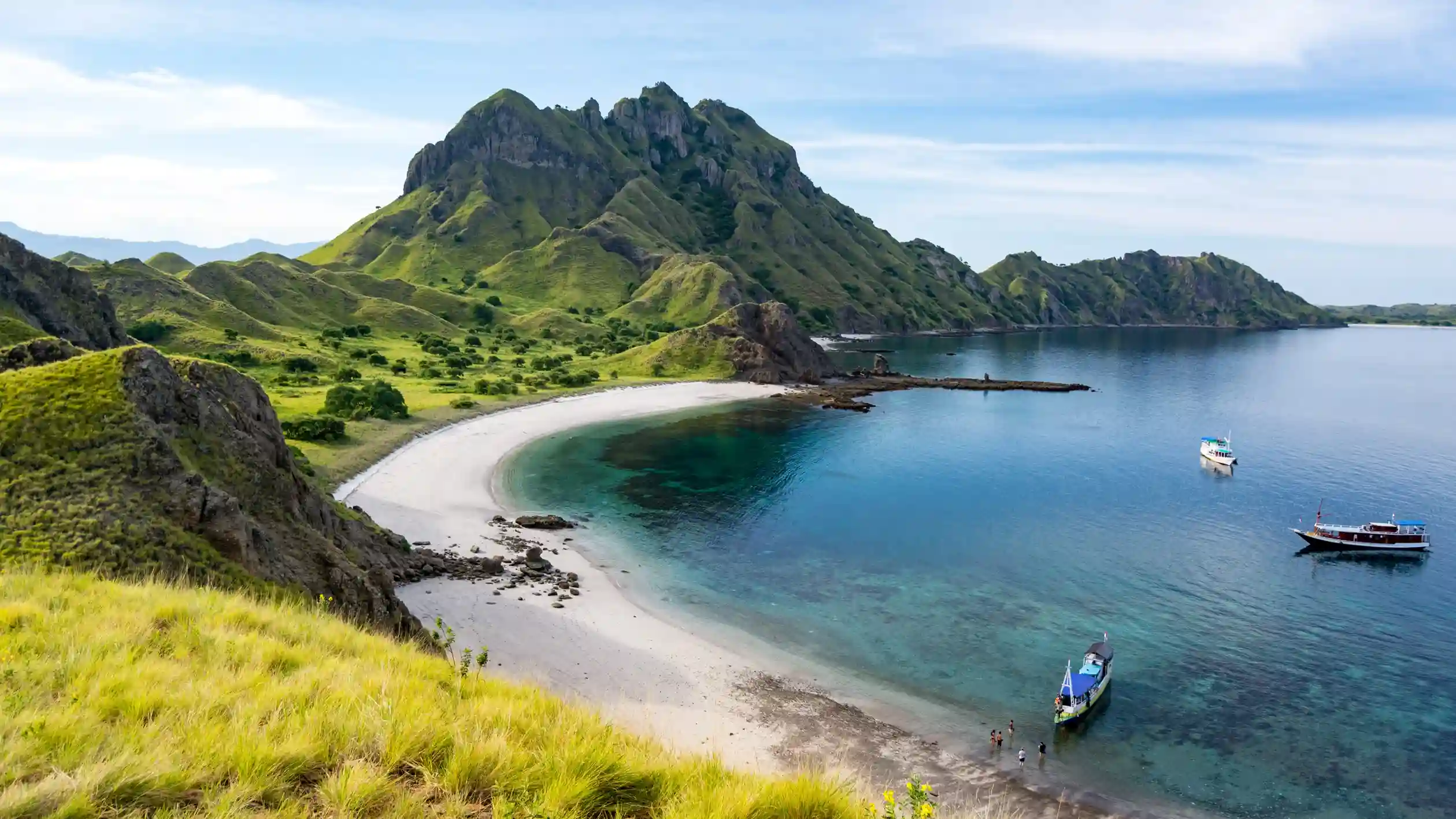
The climate in Labuan Bajo, and subsequently Komodo National Park, is distinctly tropical, characterized by two primary seasons: the dry season and the wet season. The dry season typically runs from April to November. During these months, rainfall is minimal, and the region experiences abundant sunshine. This period is consistently preferred by yacht and liveaboard operators due to predictable weather patterns and calmer sea conditions, which are crucial for safe navigation and comfortable anchoring within the Komodo archipelago. Komodo National Park lies about 54 km by sea from Labuan Bajo, with typical ferry trips taking around 2.5 hours. The clarity of the water during the dry season is exceptional, making it ideal for underwater exploration, including diving and snorkeling among the vibrant coral reefs. Surface winds are generally light to moderate, facilitating smooth transit between islands and sheltered coves. The harbor at Labuan Bajo supports regular daily boat departures to nearby islands within Komodo National Park during this main tourist season, underscoring its operational reliability.
The wet season, conversely, extends from December to March. This period sees increased rainfall, stronger winds, and rougher seas. While not entirely impassable, conditions can be more challenging for extensive yachting and liveaboard operations. Visibility underwater may decrease due to runoff and suspended sediment. Some operators may limit their itineraries or reduce the frequency of their trips during these months for safety and comfort considerations. East Nusa Tenggara Province, where Labuan Bajo is located, was officially formed on 14 August 1958, establishing the administrative framework for this region.
Optimal Months for Yachting and Liveaboards
For those seeking the most favorable conditions, the months of May to October represent the peak of the dry season and are arguably the best time to visit Bajo Marina. During this window, the weather is consistently stable, characterized by clear skies and minimal precipitation. This reliability is paramount for liveaboard itineraries that depend on precise scheduling for diving, trekking, and island excursions. Water temperatures remain warm and inviting, averaging around 27-29°C (80-84°F), ideal for prolonged periods in the water. Visibility often exceeds 20 meters, offering unparalleled views of the marine biodiversity for which Komodo is renowned. Komodo National Park was established in 1980 and subsequently designated a UNESCO World Heritage Site in 1991, affirming its ecological significance.
Shoulder Seasons: April and November
The shoulder months of April and November also present attractive opportunities. April marks the transition from the wet to the dry season, with conditions steadily improving. Rainfall decreases, and the landscape begins to dry, offering lush green vistas from the preceding wet season. November signals the approach of the wet season, but generally still provides excellent weather, though with a slight increase in the chance of rain towards the end of the month. These shoulder periods can offer slightly fewer crowds compared to the peak dry season, potentially providing a more serene experience within Komodo National Park. Labuan Bajo functions as the primary gateway port for boat tours into Komodo National Park, solidifying its role as the regional maritime hub.
Considerations for Diving and Marine Activities
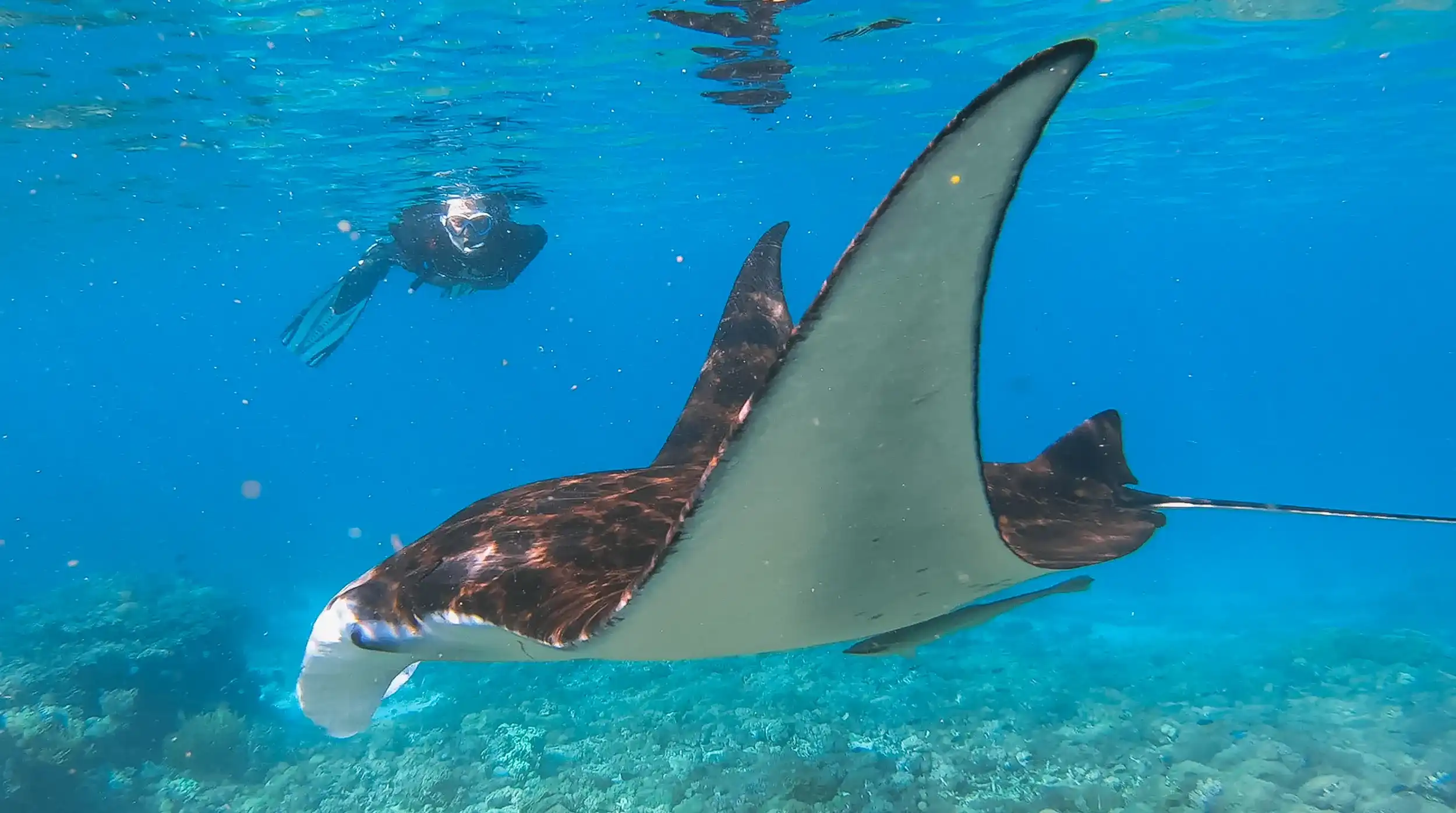
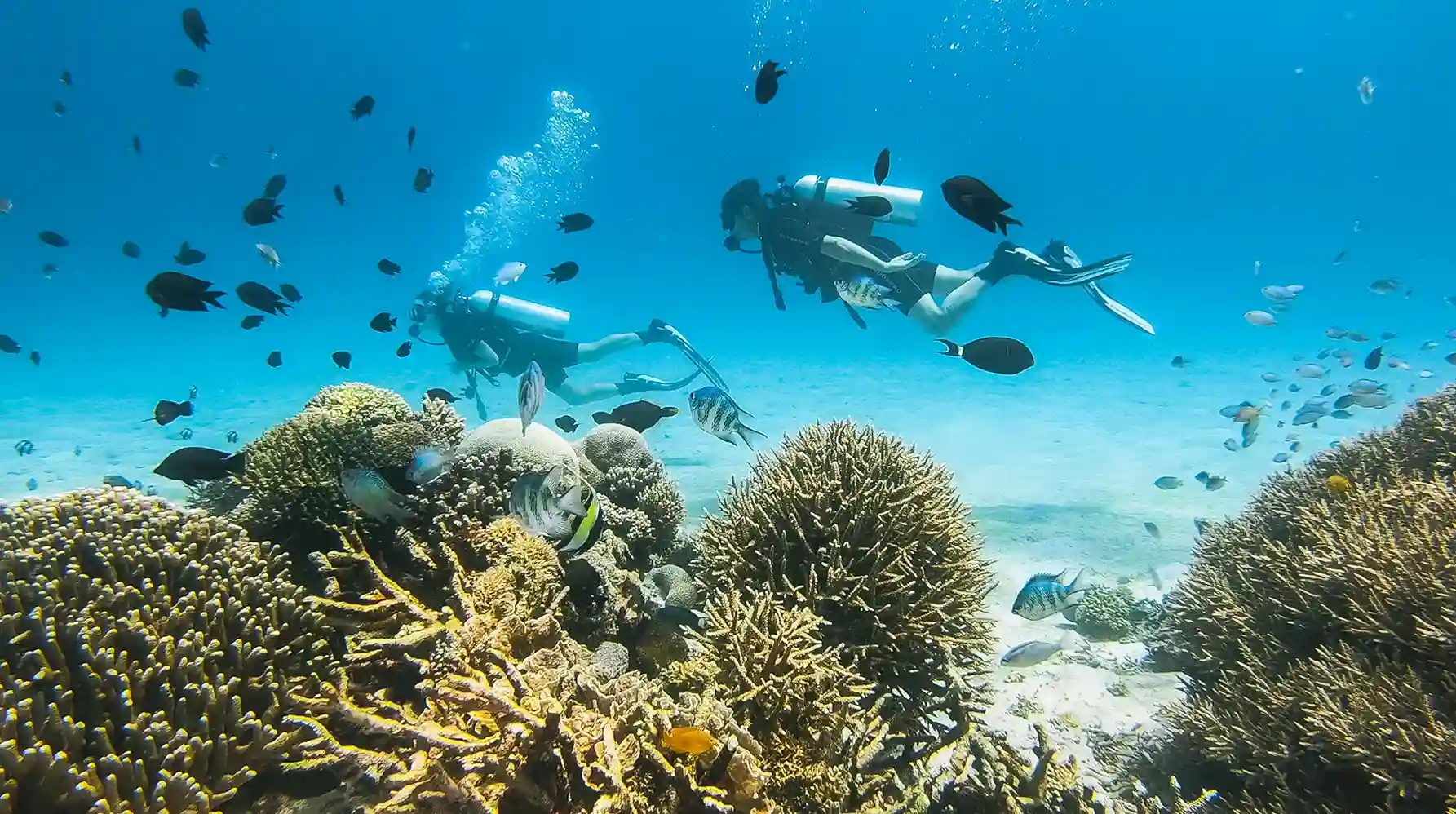
Diving and snorkeling are primary draws for visitors to Komodo National Park, and the timing of your visit significantly impacts the experience. The dry season, from April to November, consistently provides optimal conditions for underwater activities. This period offers the clearest water, with excellent visibility for exploring the vibrant coral gardens, diverse fish species, and larger pelagic creatures. Tidal currents, a characteristic feature of Komodo’s waters, are present year-round but are generally more manageable with consistent weather. Operators departing from Bajo Marina are well-versed in understanding these conditions.
The calmer seas during the dry season also ensure smoother transits between dive sites and more comfortable dinghy operations to and from your yacht. While the wet season can still offer good diving, the increased likelihood of rain and stronger winds can lead to choppy surface conditions, making entry and exit from the water less comfortable. Water clarity may also be intermittently reduced following heavy rainfall. The geographical location of Labuan Bajo on the western tip of Flores Island provides some natural shielding, but open-water crossings to the park remain exposed.
Navigating Crowds and Availability
The dry season, particularly from June to September, corresponds with the highest tourist volumes. While Komodo National Park is vast, popular sites like Komodo Island, Rinca Island, and specific dive spots can experience higher concentrations of visitors. For yacht and liveaboard travellers, this means that securing prime mooring spots or booking specific guides for land excursions may require advance planning. Bajo Marina itself can experience increased activity during these peak months.
Visiting during the shoulder months of April, May, or November can offer a balance of excellent weather and fewer crowds. This allows for a more tranquil exploration of the park’s wonders and potentially greater flexibility in itinerary planning. Regardless of the season, Labuan Bajo remains the logistical core. East Nusa Tenggara Province, established on 14 August 1958, provides the administrative framework for tourism in the region. Komodo National Park, established in 1980 and designated a UNESCO World Heritage Site in 1991, remains the primary objective for most visitors.
Logistical Advantages of the Dry Season
The dry season offers significant logistical advantages for yacht and liveaboard operations. Predictable weather patterns minimize the risk of delays or diversions caused by adverse conditions. This reliability is crucial for provisioning, fuel bunkering, and coordinating crew changes at Bajo Marina. Resupply operations from Labuan Bajo, which functions as the primary gateway port for boat tours into Komodo National Park, are more consistently efficient during this period.
Furthermore, the stability of the dry season ensures that daily boat departures from Labuan Bajo to nearby islands within Komodo National Park operate with high regularity. This interconnectivity is vital for crew transfers, guest movements, and accessing onshore services. Labuan Bajo is located at approximately 8.4961°S 119.8877°E, a strategic point for regional maritime operations. The accessibility and operational consistency during the dry months make it the preferred window for extended voyages into the Komodo archipelago, where the distance of about 54 km by sea from Labuan Bajo necessitates reliable conditions.
To learn more about the gateway to Komodo, visit Labuan Bajo on Wikipedia.
Explore the broader region of Flores Island.
Discover the ecological significance of Komodo National Park.