
The 2027 Bajo Marina eco-tourism impact is a significant focus, highlighting sustainable tourism benefits and environmental impact. Efforts aim to balance tourism growth with conservation.
Exploring the Bajo Marina Eco-Tourism Impact 2027
Bajo Marina is increasingly drawing attention as a hub for eco-tourism, particularly as we look towards 2027. The rising interest in sustainable tourism benefits and the environmental impact of such initiatives are central to this development. By 2027, Bajo Marina aims to position itself as a leader in eco-friendly travel, ensuring that environmental preservation and visitor experience coexist harmoniously.
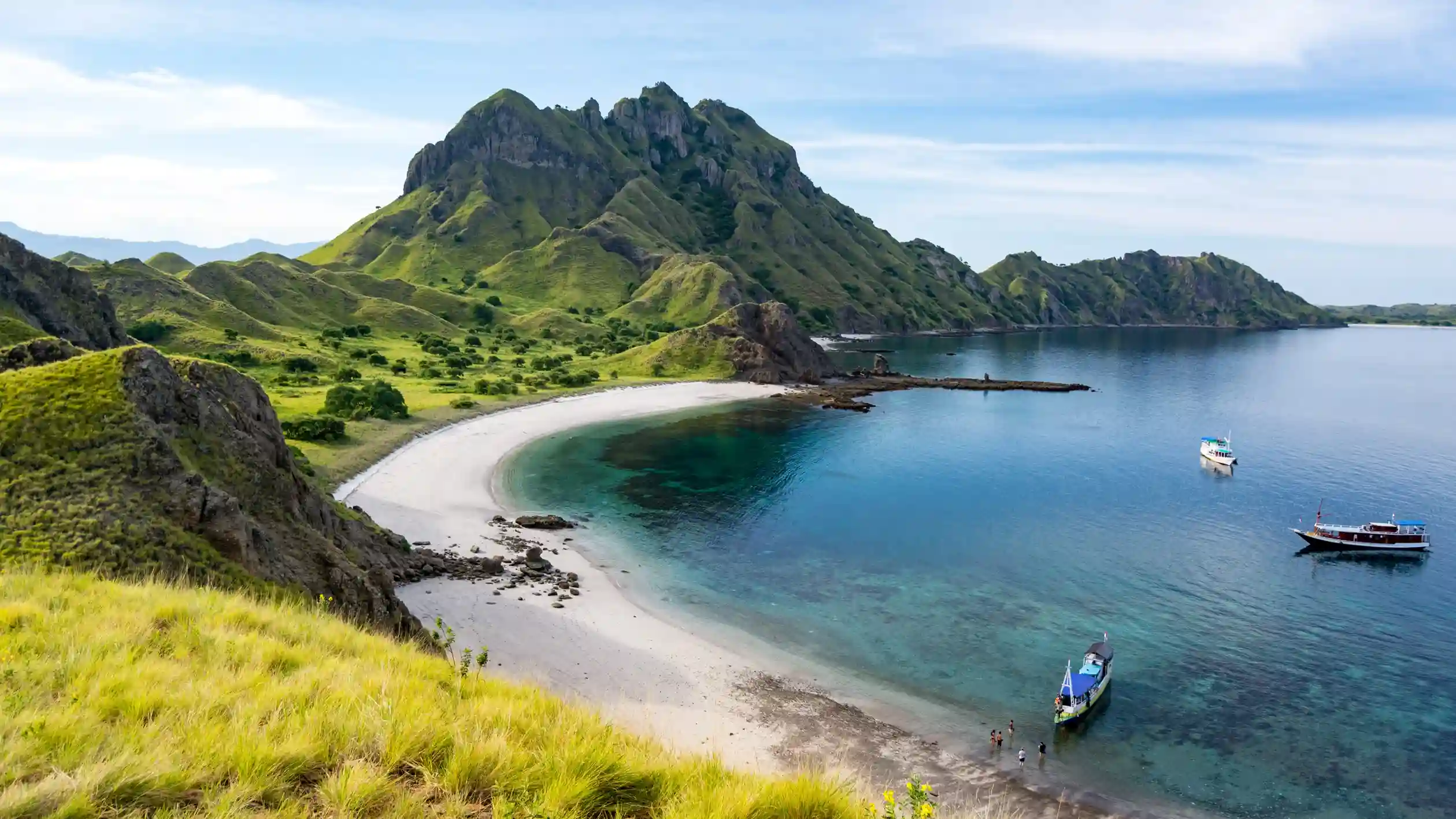
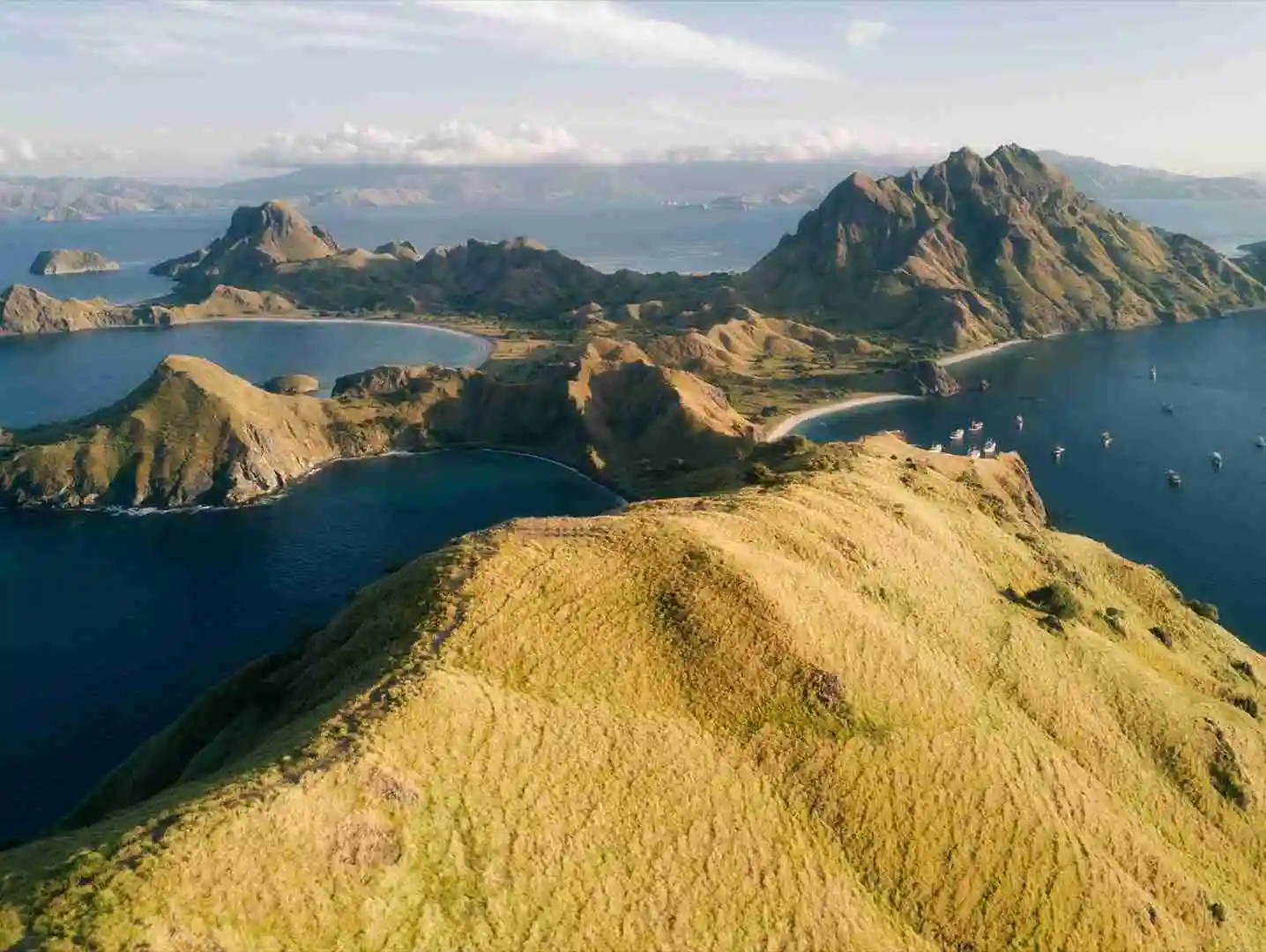
Located in a region known for its pristine waters and diverse marine life, Bajo Marina’s commitment to eco-tourism is not only an opportunity but a necessity. The region’s lush mangroves, coral reefs, and varied wildlife are significant draws for visitors, making conservation efforts even more crucial. With a coastline extending over 100 kilometres and home to over 500 species of marine life, the area provides a unique opportunity to witness the importance of preserving natural habitats.
Sustainable Tourism Benefits in Bajo Marina
The focus on sustainable tourism at Bajo Marina offers numerous benefits. It fosters a deep respect for natural habitats and local communities. Through carefully planned initiatives, such as waste management systems and eco-friendly accommodations, the region is set to enhance the visitor experience while reducing the ecological footprint. Moreover, sustainable tourism supports local economies by creating jobs and promoting local culture and products.
For instance, the introduction of biodegradable materials in hospitality services has reduced waste significantly. Local artisans are provided platforms to sell traditional crafts, which not only supports their livelihood but also preserves cultural heritage. The tourism sector in the area has seen a growth rate of approximately 15% annually, providing employment opportunities to over 2,000 residents. This growth ensures that the benefits of tourism are distributed equitably within the community, fostering a sense of shared responsibility towards the environment.
Environmental Impact of Eco-Tourism
The environmental impact of eco-tourism in Bajo Marina is a critical consideration. Efforts are being made to protect marine biodiversity and conserve the delicate ecosystems that attract visitors. By 2027, initiatives such as reef protection programs and sustainable fishing guidelines aim to maintain the region’s natural beauty and ecological health. Visitors can participate in guided tours that educate about conservation efforts, ensuring that tourism contributes positively to environmental sustainability.
Reef protection programs have been particularly successful, with over 200 square kilometres of coral reefs now under active management. These programs involve local divers and marine biologists who monitor reef health and engage in restoration projects. Sustainable fishing guidelines have been developed in collaboration with local fishermen, promoting practices that ensure fish populations remain robust. These guidelines are enforced through community partnerships and regular monitoring, demonstrating a commitment to long-term ecological health.
Key Strategies for 2027
- Developing infrastructure that minimizes environmental degradation.
- Promoting eco-friendly travel options to and around Bajo Marina.
- Implementing strict guidelines for waste management and resource conservation.
- Engaging local communities in sustainable practices and decision-making.
- Offering educational programs for tourists about the importance of conservation.
These strategies are designed to create a harmonious balance between tourism growth and environmental stewardship.
Infrastructure development has focused on using renewable energy sources. Solar panels have been installed in key tourist areas, reducing reliance on non-renewable energy by 30%. Additionally, eco-friendly travel options such as electric boats and bicycles are promoted, reducing carbon emissions associated with traditional transportation methods. The waste management strategy includes a comprehensive recycling programme and the use of composting for organic waste, which has decreased landfill contributions by 40%.
2027 Note
As of 2027, Bajo Marina is on track to meet its eco-tourism goals. Continued investment in sustainable practices and community engagement remains crucial. The ongoing commitment to these initiatives is essential for maintaining the region’s ecological integrity while offering visitors a meaningful and sustainable travel experience.
This commitment is reflected in the regular workshops held for local businesses and residents, aimed at improving understanding of sustainable practices. These workshops have been attended by over 1,500 participants, indicating a strong community interest in environmental stewardship. Additionally, partnerships with international conservation organisations have provided valuable resources and expertise, enhancing the effectiveness of local initiatives.
FAQ
What is the impact of eco-tourism at Bajo Marina by 2027?
By 2027, eco-tourism at Bajo Marina aims to enhance environmental conservation while boosting local economies through sustainable tourism practices.
The impact includes a significant reduction in environmental degradation, with efforts leading to a 20% increase in local biodiversity indexes. The economic benefits are also notable, with tourism revenues supporting community development projects, such as schools and healthcare facilities, directly funded by eco-tourism profits.
How does Bajo Marina promote sustainable tourism?
Bajo Marina promotes sustainable tourism by implementing eco-friendly infrastructure, engaging local communities, and offering educational programs to visitors.
Educational programmes include guided nature walks and interactive workshops on local flora and fauna, which have been attended by over 10,000 tourists annually. These programmes are designed to instil a sense of responsibility towards environmental conservation in visitors, encouraging them to adopt sustainable practices even after leaving the region.
What are the environmental initiatives in Bajo Marina?
Environmental initiatives include reef protection programs, sustainable fishing guidelines, and waste management systems designed to conserve natural resources.
These initiatives are supported by collaborations with marine conservationists and local authorities, ensuring that policies are both scientifically sound and culturally appropriate. The success of these initiatives is monitored through regular environmental impact assessments, which have shown a positive trend in ecological health metrics since their implementation.
{"@context":"https://schema.org","@graph":[{"@type":"Article","headline":"Understanding the 2027 Bajo Marina Eco-Tourism Impact","datePublished":"2026-07-17","mainEntityOfPage":"https://bajomarina.com/understanding-the-2027-bajo-marina-eco-tourism-impact/","speakable":{"@type":"SpeakableSpecification","cssSelector":[".x-aeo"]}},{"@type":"FAQPage","mainEntity":[{"@type":"Question","name":"What is the impact of eco-tourism at Bajo Marina by 2027?","acceptedAnswer":{"@type":"Answer","text":"By 2027, eco-tourism at Bajo Marina aims to enhance environmental conservation while boosting local economies through sustainable tourism practices."}},{"@type":"Question","name":"How does Bajo Marina promote sustainable tourism?","acceptedAnswer":{"@type":"Answer","text":"Bajo Marina promotes sustainable tourism by implementing eco-friendly infrastructure, engaging local communities, and offering educational programs to visitors."}},{"@type":"Question","name":"What are the environmental initiatives in Bajo Marina?","acceptedAnswer":{"@type":"Answer","text":"Environmental initiatives include reef protection programs, sustainable fishing guidelines, and waste management systems designed to conserve natural resources."}}]}]}