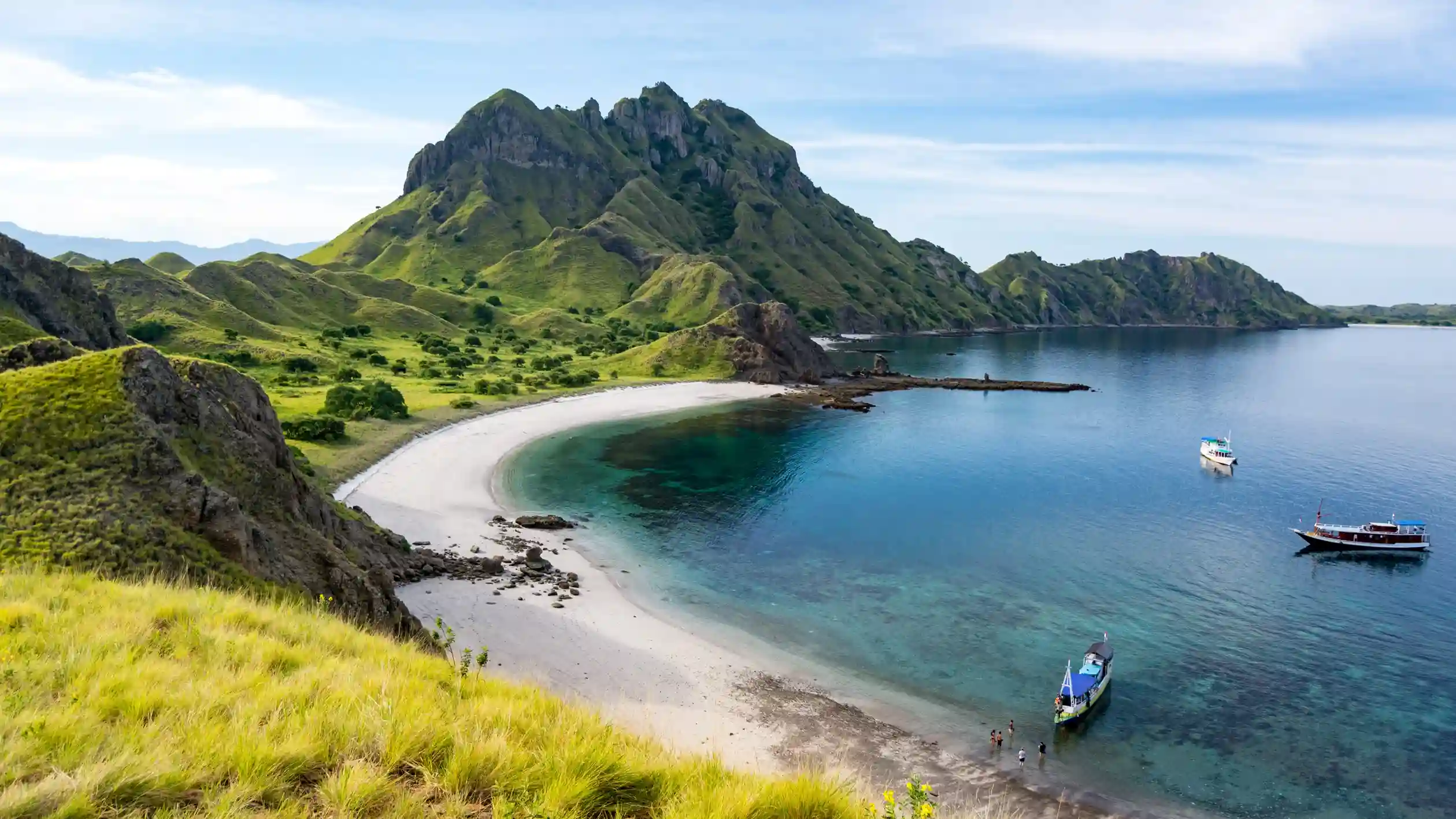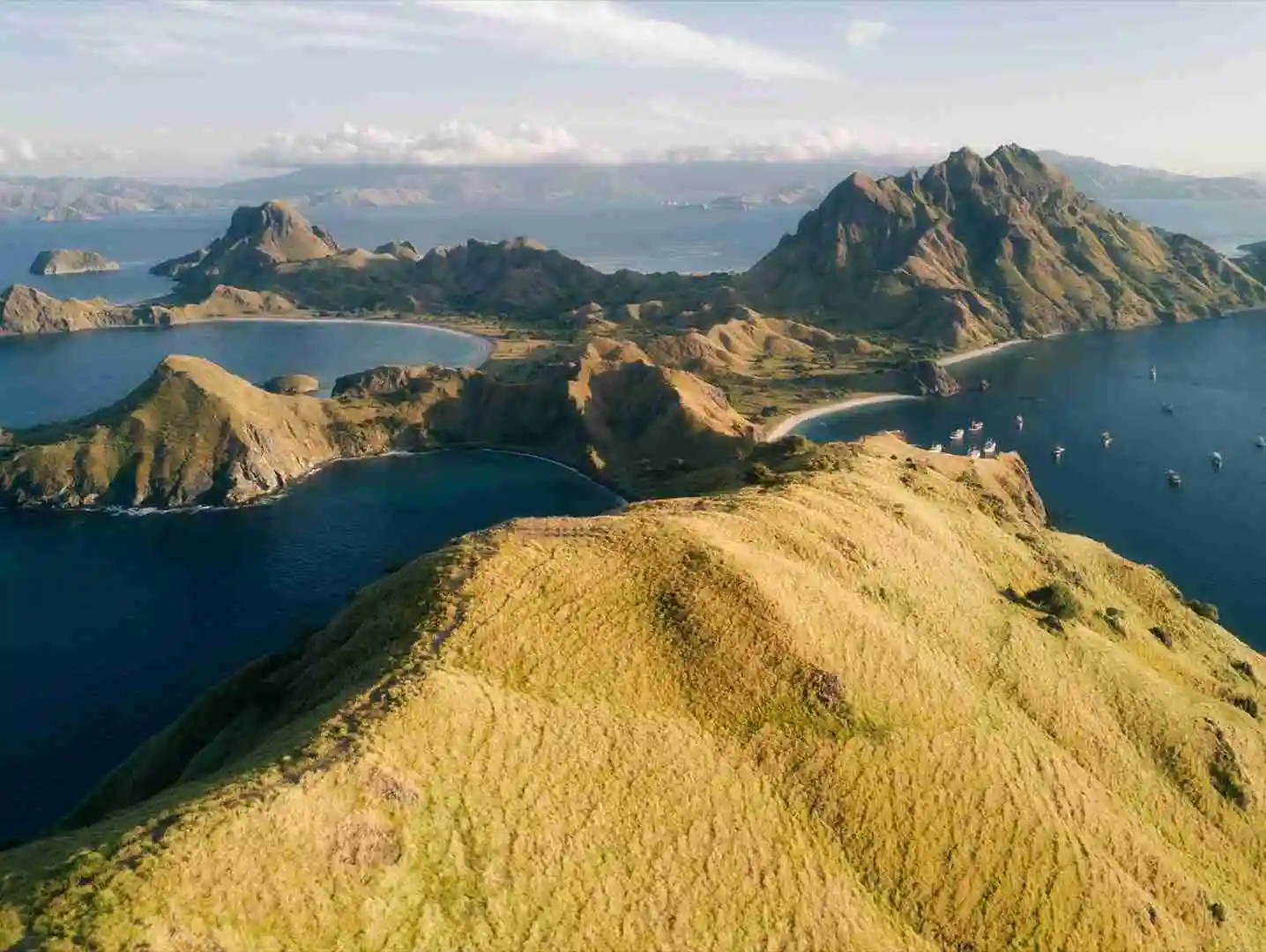

In 2027, engaging in sustainable travel at Bajo Marina involves choosing eco-friendly accommodations, participating in local conservation efforts, and minimizing waste. This guide explores how travelers can contribute to preserving Bajo Marina’s natural beauty while enjoying a responsible holiday.
Bajo Marina Sustainable Travel 2027: An Overview
Bajo Marina, renowned for its stunning marine biodiversity and vibrant cultural heritage, is a prime destination for eco-conscious travelers. In 2027, the focus is on promoting sustainable travel practices that ensure the preservation of its unique environment and local communities. By incorporating sustainable practices, visitors can enjoy a fulfilling experience without compromising the area’s ecological integrity.
The region is home to several distinct ecosystems, each requiring careful attention. The coral reefs, for example, are among the most diverse in the world, hosting hundreds of species of fish and other marine life. The preservation of these reefs is crucial, as they are threatened by climate change and human activities. Efforts to protect the reefs include regulating diving activities and promoting coral-friendly sunscreens.
In addition to marine life, the terrestrial ecosystems in Bajo Marina are equally important. The mangrove forests, which cover vast areas along the coastline, serve as critical habitats for numerous bird species and act as natural barriers against coastal erosion. Visitors are encouraged to explore these forests through guided tours that highlight their ecological significance and the ongoing conservation efforts.
Eco-Friendly Travel at Bajo Marina
Sustainable tourism is more than just a trend; it’s a necessity for preserving the natural and cultural assets of Bajo Marina. Travelers in 2027 can engage in eco-friendly travel by selecting accommodations that prioritize sustainable practices, such as energy-efficient operations, water conservation, and waste reduction.
- Choose hotels or resorts with recognized environmental certifications, such as Green Key or EarthCheck. These certifications ensure that the accommodations meet rigorous sustainability standards.
- Participate in guided tours that focus on conservation education. These tours are often led by local experts who provide insights into the region’s biodiversity and the measures being taken to protect it.
- Support local businesses that implement sustainable practices. This includes dining at restaurants that source ingredients locally, thereby reducing their carbon footprint and supporting the local economy.
For more information on planning your eco-friendly trip, visit our booking process page.
2027 Green Tourism Initiatives at Bajo Marina
In 2027, various green tourism initiatives have been established to enhance sustainability at Bajo Marina. These initiatives include community-based projects that promote biodiversity conservation and cultural preservation. Travelers can participate in beach clean-ups, tree planting activities, and cultural exchanges that support the area’s long-term environmental goals.
Beach clean-ups are organized regularly, particularly during the dry season from May to September, when tourism is at its peak. These events not only help maintain the cleanliness of the beaches but also raise awareness about the impact of plastic pollution on marine ecosystems.
Tree planting activities are another significant initiative. These projects are often carried out in collaboration with local schools and environmental NGOs, aiming to restore deforested areas and increase biodiversity. The rainy season, from November to March, is the ideal time for planting, as the young trees receive ample water to establish themselves.
Cultural exchanges offer travelers the opportunity to engage with local communities, learn about traditional practices, and contribute to cultural preservation. These exchanges often include workshops in traditional crafts, cooking classes, and participation in community festivals.
| Initiative | Description |
|---|---|
| Beach Clean-ups | Join efforts to keep beaches pristine and protect marine life. Events are held monthly, with a focus on removing plastic waste and educating participants on sustainable practices. |
| Tree Planting | Participate in reforestation projects to restore local ecosystems. These projects often involve planting native species that are crucial for maintaining biodiversity. |
| Cultural Exchanges | Engage with local communities to learn about and support their traditions. Activities may include language lessons, dance performances, and storytelling sessions. |
How can travelers engage in sustainable practices when visiting Bajo Marina in 2027?
Travelers can engage in sustainable practices by supporting eco-friendly businesses, participating in local conservation projects, and respecting cultural norms. Additionally, reducing single-use plastics and using public transportation contribute to minimizing their environmental footprint.
Public transportation options in Bajo Marina include buses and ferries, which are not only cost-effective but also reduce the carbon emissions associated with private vehicle use. Many of these services have implemented measures to improve energy efficiency and reduce pollution.
Reducing the use of single-use plastics is another critical aspect of sustainable travel. Travelers are encouraged to carry reusable water bottles, bags, and utensils. Many local shops and markets offer alternatives to plastic products, making it easier for visitors to make environmentally friendly choices.
2027 Note on Sustainable Practices
As we advance towards 2027, the importance of sustainable travel cannot be overstated. Bajo Marina continues to champion environmentally responsible tourism, encouraging visitors to be mindful of their impact. By adhering to these sustainable practices, travelers can ensure that Bajo Marina remains a beautiful and viable destination for future generations.
The local government has also introduced policies aimed at reducing the environmental impact of tourism. These include regulations on waste management, incentives for businesses that adopt green practices, and educational campaigns to promote environmental awareness among both locals and visitors.
FAQ
What are the key aspects of eco-friendly travel at Bajo Marina?
Key aspects include choosing sustainable accommodations, reducing waste, and participating in conservation activities. Supporting local economies and respecting cultural practices are also vital components.
Are there specific green tourism initiatives for 2027?
Yes, 2027 sees initiatives like beach clean-ups, tree planting, and cultural exchanges aimed at enhancing sustainability and community engagement.
How does Bajo Marina support sustainable tourism?
Bajo Marina supports sustainable tourism through various programs that focus on environmental conservation, cultural preservation, and community involvement, ensuring a balanced approach to tourism.
{"@context":"https://schema.org","@graph":[{"@type":"Article","headline":"2027 Guide to Sustainable Travel Practices at Bajo Marina","datePublished":"2026-07-17","mainEntityOfPage":"https://bajomarina.com/2027-guide-to-sustainable-travel-practices-at-bajo-marina/","speakable":{"@type":"SpeakableSpecification","cssSelector":[".x-aeo"]}},{"@type":"FAQPage","mainEntity":[{"@type":"Question","name":"What are the key aspects of eco-friendly travel at Bajo Marina?","acceptedAnswer":{"@type":"Answer","text":"Key aspects include choosing sustainable accommodations, reducing waste, and participating in conservation activities. Supporting local economies and respecting cultural practices are also vital components."}},{"@type":"Question","name":"Are there specific green tourism initiatives for 2027?","acceptedAnswer":{"@type":"Answer","text":"Yes, 2027 sees initiatives like beach clean-ups, tree planting, and cultural exchanges aimed at enhancing sustainability and community engagement."}},{"@type":"Question","name":"How does Bajo Marina support sustainable tourism?","acceptedAnswer":{"@type":"Answer","text":"Bajo Marina supports sustainable tourism through various programs that focus on environmental conservation, cultural preservation, and community involvement, ensuring a balanced approach to tourism."}}]}]}